
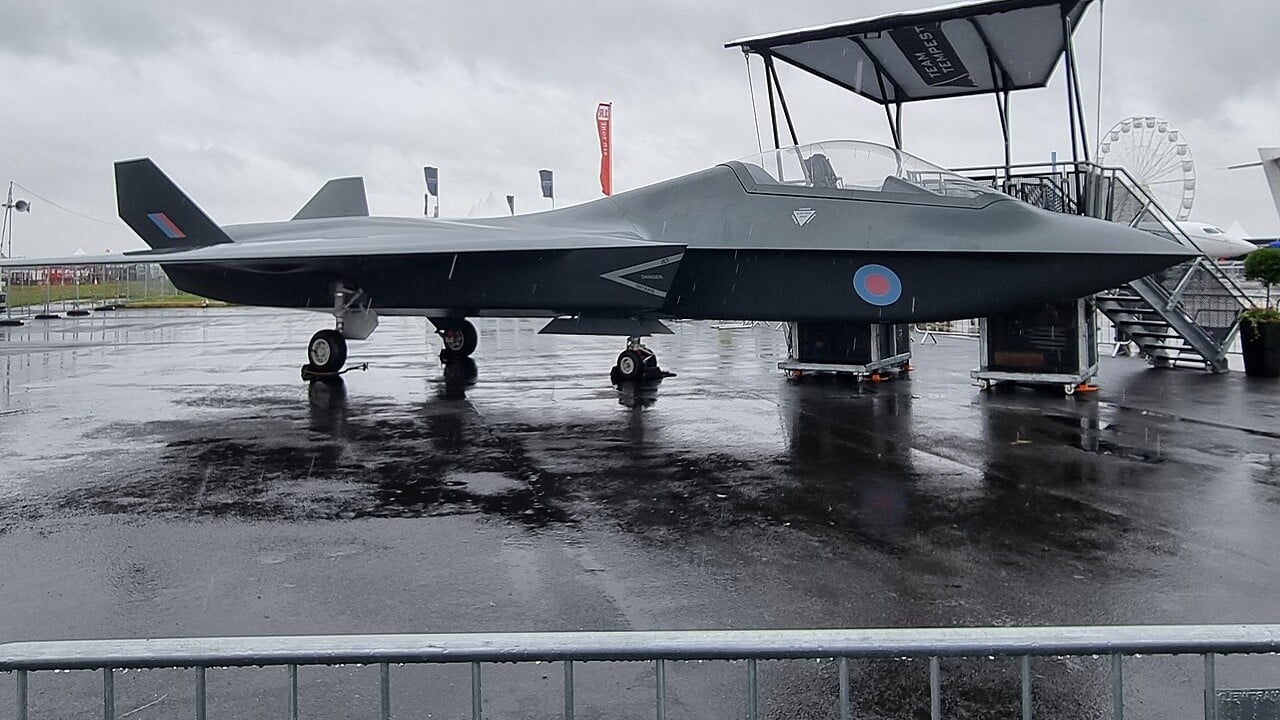
For more than a century, the Royal Air Force has been built around one idea: a pilot in a cockpit. On Saturday 21 November 2026, the man who runs it suggested that the jet now being designed may be the last one built that way.
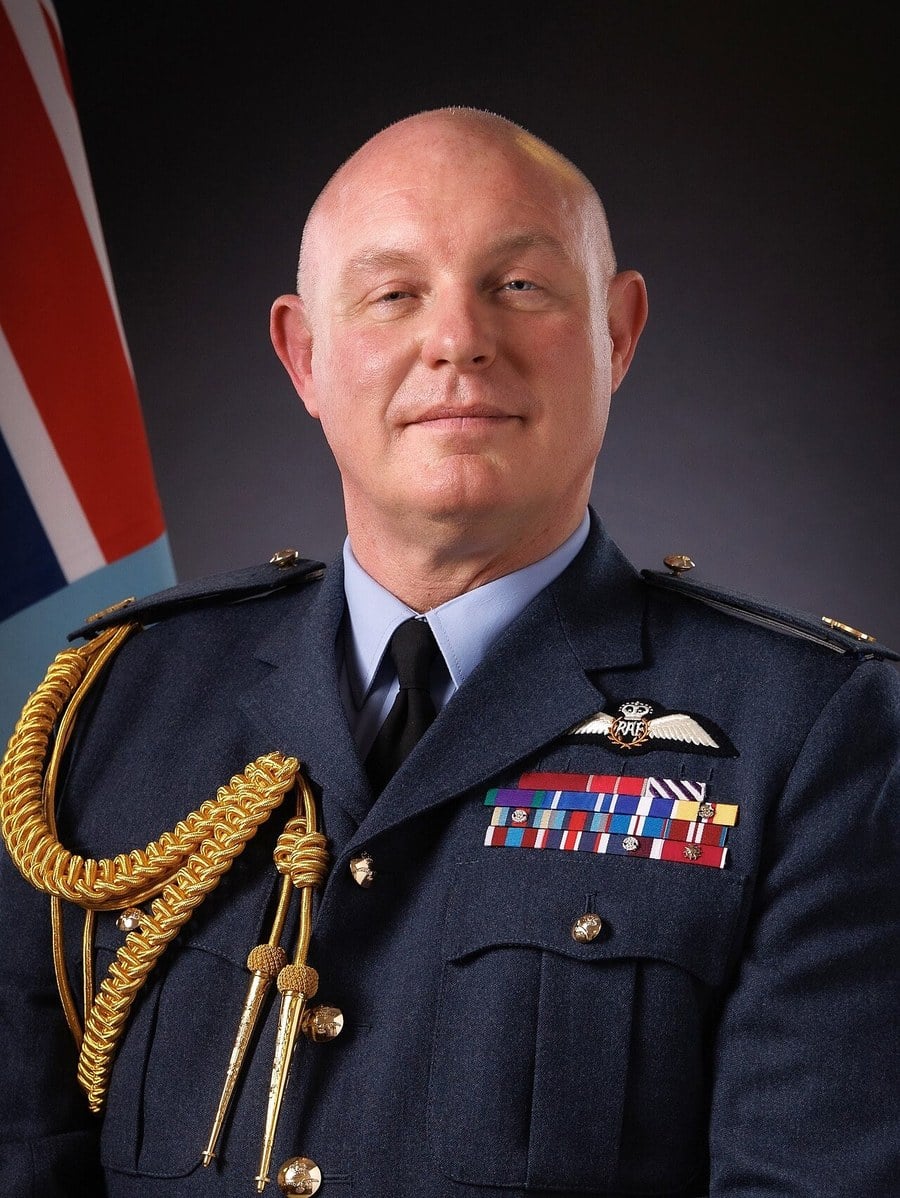
Writing in The Telegraph, Air Chief Marshal Sir Harv Smyth, the Chief of the Air Staff, described the Global Combat Air Programme fighter as “perhaps the last crewed fighter we will ever build”. According to the newspaper, he said the GCAP aircraft still requires a crew, but future projects would be drones.
Coming from a former Harrier pilot who flew combat missions over Iraq, it is a striking statement. Sky News and GB News picked it up overnight, and by Sunday 22 November the headline everywhere was the same: Britain may be building its last manned fighter.
Informazioni rapide
- Chi: Air Chief Marshal Sir Harv Smyth, RAF Chief of the Air Staff since August 2025
- Che cosa: Opinion piece in The Telegraph
- Quando: Saturday 21 November 2026
- Key line: GCAP is “perhaps the last crewed fighter we will ever build”
- Next step: Uncrewed fighter jets to start flying in UK airspace in 2027 (“next year”), per Smyth
- GCAP: UK, Italy and Japan; target in-service date 2035; replaces Typhoon and Japan’s F-2
- Sfondo: Smyth’s 26 October 2026 RUSI Trenchard lecture: “autonomy, not flesh”
What Sir Harv actually wrote
The article was an opinion piece under his own name, not an interview, and its wording was careful. “Perhaps” is doing real work in that sentence. Smyth did not announce that the Royal Air Force was giving up on pilots. He argued that autonomy will reshape the force around them.
He set out a near-term marker too. “Uncrewed fighter jets will start flying in UK airspace next year,” he wrote. “This is exciting and necessary in equal measure.” And he described the mix he expects: “The future RAF will combine Typhoons and F-35s with autonomous systems.”
According to The Telegraph, Smyth argued that properly used AI could take on the most dangerous tasks instead of humans and could enhance human judgment, but stressed that it should not replace accountability for military decisions. He also pointed to the RAF’s recent adaptations, citing a laser-guided rocket system fitted to Tifone jets that helped tackle Iranian drones.
The jet that may close an era
GCAP is the joint programme of Britain, Italy and Japan to build a sixth-generation stealth fighter, the aircraft long known in the UK as Tempest. It is being designed by Edgewing, the joint venture of BAE Systems, Leonardo and Japan’s JAIEC, and is meant to replace the RAF’s and the Italian Air Force’s Typhoons and Japan’s Mitsubishi F-2. The target in-service date is 2035.
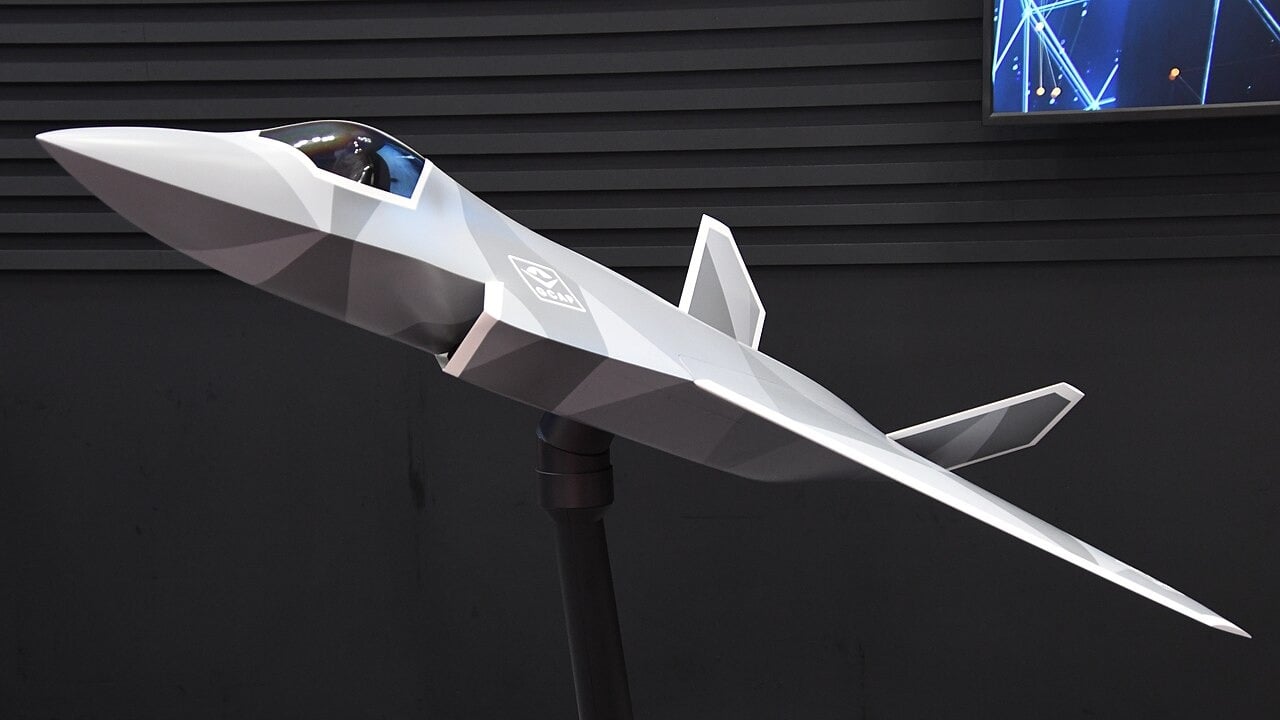
That timeline is the key to Smyth’s logic. A fighter entering service in the mid-2030s will fly for decades. By the time Britain needs to replace it, the RAF chief clearly expects uncrewed aircraft to carry much of the load that pilots carry today.
The RAF is already moving that way. The Telegraph reported that the service used a Protector drone, one of 16 it has procured, to monitor Russian warships and other foreign vessels in the English Channel for the first time in October.
Air Chief Marshal Sir Harv Smyth sets out the RAF’s combat air strategy in the 2026 Lord Trenchard Memorial Lecture at RUSI.
“Autonomy, not flesh”
None of this came out of nowhere. On 26 October 2026, Smyth gave the Lord Trenchard Memorial Lecture at the Royal United Services Institute in London, where he argued that AI and autonomy must sit at the centre of how the RAF develops future capabilities. Recalling the Allies’ Second World War “steel, not flesh” approach, he told the audience that the modern paradigm must now become “autonomy, not flesh”.
According to Forces News, he described AI models fighting each other in simulated air combat around the clock for 14 days, accruing what was judged to be the equivalent of 50 years of human air combat training and experience. Yet he also quoted Top Gun: Maverick, whose hero answers the prediction that fighter pilots are headed for extinction with “Maybe so sir, but not today.”
Smyth also made clear that people remain central. The Telegraph reported him saying the “brilliant people of the RAF” remained key to securing Britain’s skies, and that the service was growing again, with around 300 trainees graduating each month.
Not today, but perhaps tomorrow
Britain is not alone in asking the question. In the United States, the Air Force and Navy are pairing their next fighters with Collaborative Combat Aircraft, uncrewed jets meant to fly alongside crewed ones.
For now, GCAP will have a cockpit, and someone will sit in it. Sir Harv’s point is that it may be the last time Britain builds a fighter on that assumption. Maverick’s answer still holds, but only for today.
Sources: The Telegraph, Sky News, GB News, Forces News, RUSI, GOV.UK (Chief of the Air Staff biography)
Header photo: Mztourist / Wikimedia Commons, CC BY-SA 4.0


0 Comments