
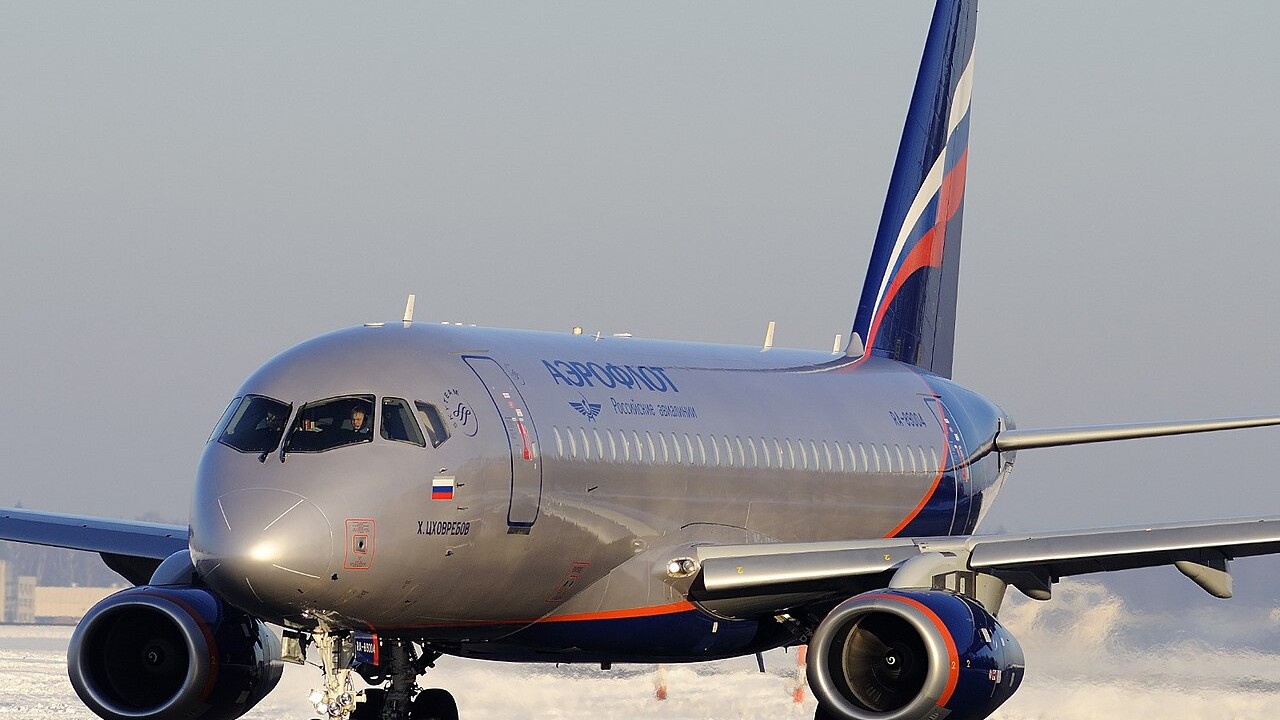
Russia's most numerous home-built jet airliner has just been granted five extra years of life. On 12 October, Russia's Federal Air Transport Agency, Rosaviatsia, approved an increase in the permitted service life of the Superjet 100 from 15 to 20 years, along with big jumps in the number of hours and flights each airframe may fly.
On paper it is a routine engineering decision, backed by fatigue tests and operating data. In practice it is a question of survival. Since 2022, Western sanctions have cut the Superjet off from the support of the French engine maker whose turbofans power the fleet, and the all-Russian replacement is still not certified.
Keeping the existing fleet in the air longer buys time. The question is how much.
Quick Facts: Superjet 100 Life Extension
Approved by: Rosaviatsia (Federal Air Transport Agency), 12 October 2026
Variants covered: SaM146-powered RRJ-95B-100 and extended-range RRJ-95LR-100
Durata di servizio: 15 years raised to 20 years
Flight hours: 25,000 raised to 40,000
Flight cycles: 15,000 raised to 20,000
Basis: Calculations, full-scale fatigue tests and operating experience
Fleet in Russia: 154 aircraft in service
Produttore: Yakovlev, part of United Aircraft Corporation (UAC)
Hours, Cycles and Calendar Years
An airliner's life is limited three ways at once: by calendar years, by flight hours and by flight cycles, where each take-off and landing counts as one cycle. Whichever limit is reached first ends the aircraft's approved life unless the type is re-examined.
For the Superjet, Rosaviatsia raised all three. The calendar limit goes from 15 to 20 years, flight hours from 25,000 to 40,000 and flight cycles from 15,000 to 20,000, according to Vedomosti and aeroTELEGRAPH. The approval covers the SaM146-powered RRJ-95B-100 and the long-range RRJ-95LR-100, and was formally granted as a major change to the type design.
Rosaviatsia says the new figures rest on calculations, fatigue testing of full-scale structures and the experience of the fleet in service. Vedomosti quotes the programme's chief designer, Vladimir Lavrov, as saying the new values confirm the reliability of the structure. aeroTELEGRAPH reports that Yakovlev is working on further increases.
The Engine Problem
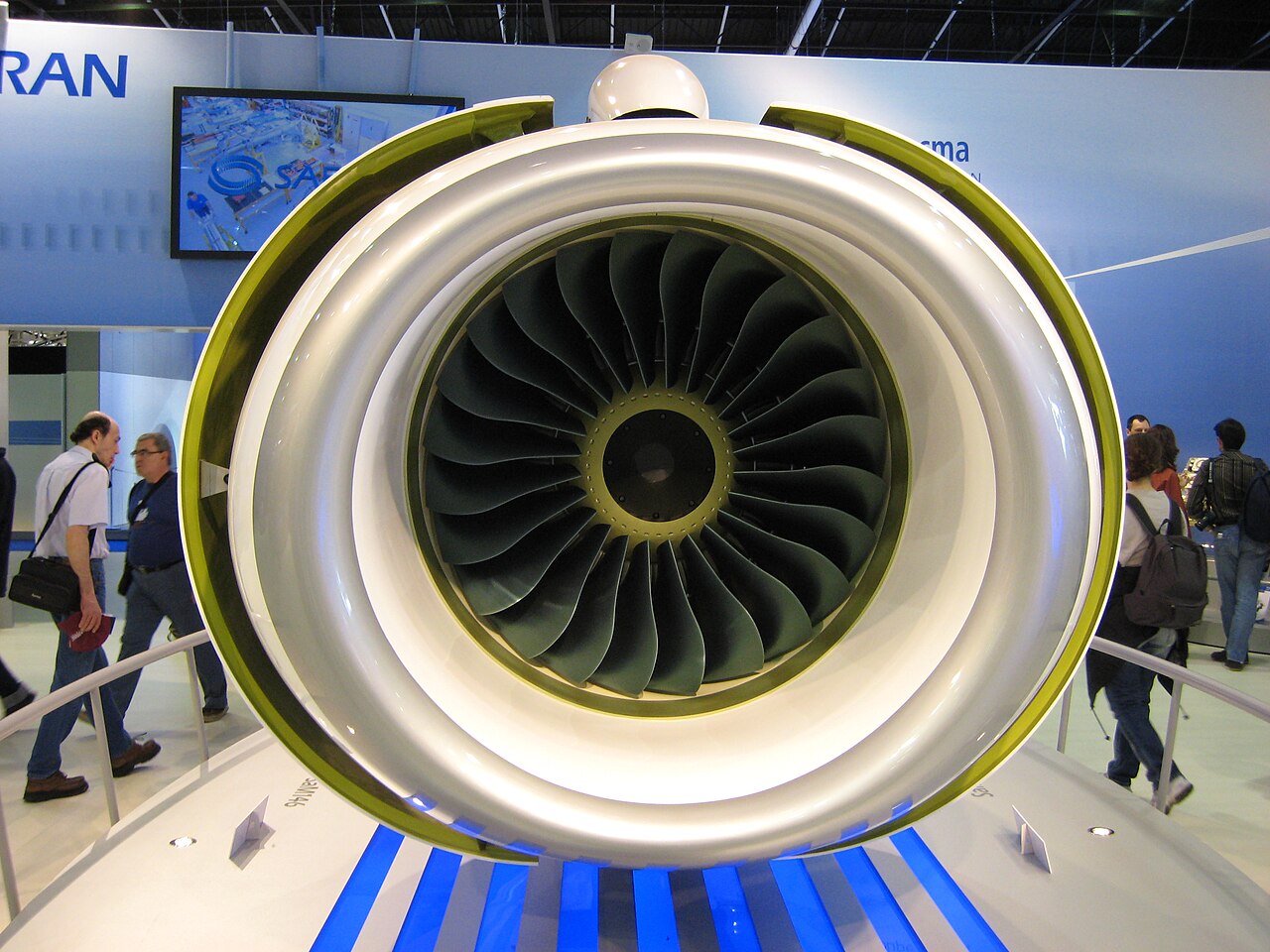
The Superjet was born as an international project. Its SaM146 engines come from PowerJet, a joint venture between France's Safran and Russia's NPO Saturn, and Italy's Alenia Aeronautica was a partner in the programme. Series production began in 2011. When sanctions arrived in 2022, the French half of the engine supply chain left.
Russian operators have kept flying anyway. Fontanka reports that Rosaviatsia extended the SaM146's own service life in October 2025, and that the agency's head, Dmitry Yadrov, said at the time that the Superjets could keep flying until 2028 or 2029. Maxim Pyadushkin, managing director of the Russian industry publication ATO.ru, points out the uncomfortable part: since 2022, the lives of foreign-made components have been extended without approval from the companies that designed them.
The long-term answer is the SJ-100, a Superjet rebuilt with Russian systems and the new Aviadvigatel PD-8 engine. Fontanka reports that the PD-8 received its type certificate in early June 2026 and entered series production later that month. The SJ-100 itself is still going through certification.
Who Pays to Re-Engine 154 Jets?
Re-engining the existing fleet with PD-8s is possible on paper, but somebody has to pay for it. According to Fontanka, UAC chief Vadim Badekha has said airlines would bear the cost and no federal money was planned. Aeroflot chief executive Sergei Aleksandrovsky said in September that re-engining would only be possible with state support, and that without subsidies the Superjets would gradually leave airline fleets.
That makes the life extension more than a technical footnote. With 154 Superjets in service in Russia, they are a significant part of the country's regional and domestic fleet, and there are not many alternatives. New Western aircraft cannot be bought, and the all-Russian SJ-100 is still waiting for its certificate.
Pyadushkin's view is that there is no hurry to re-engine, because the conversion is expensive and does not pay back for airlines. An extra five years of approved life is exactly what makes that wait possible.
Aviation YouTuber Josh Cahill flies on a Sukhoi Superjet 100 and looks at the troubled history of the type.
Sources: Vedomosti; Fontanka; aeroTELEGRAPH; RIA Novosti; Rosaviatsia.
0 Comments