

A little over a year before he became the first human being to set foot on another world, Neil Armstrong very nearly died a mile from his own desk — in one of the strangest, ugliest flying machines NASA ever built. On 6 May 1968, he ejected from the "flying bedstead" less than a second before it slammed into the ground in a fireball. Then he walked back to the astronaut office and did his paperwork.
The machine was the Lunar Landing Research Vehicle, and as bizarre as it looked, it may be the single most important reason Apollo 11 landed safely fourteen months later.
Quick Facts
| Vehicle | Lunar Landing Research Vehicle (LLRV-1) |
| Nickname | The "flying bedstead" |
| Pilot | Neil Armstrong |
| Date | 6 May 1968, Ellington AFB, Houston |
| What happened | Loss of control at ~200 ft; ejected under 1 second before impact |
| Cause | Helium-pressure loss depleted the attitude-control propellant |
| Injuries | None |
| Legacy | Trained the Apollo astronauts to land on the Moon |
How do you practice landing on the Moon?
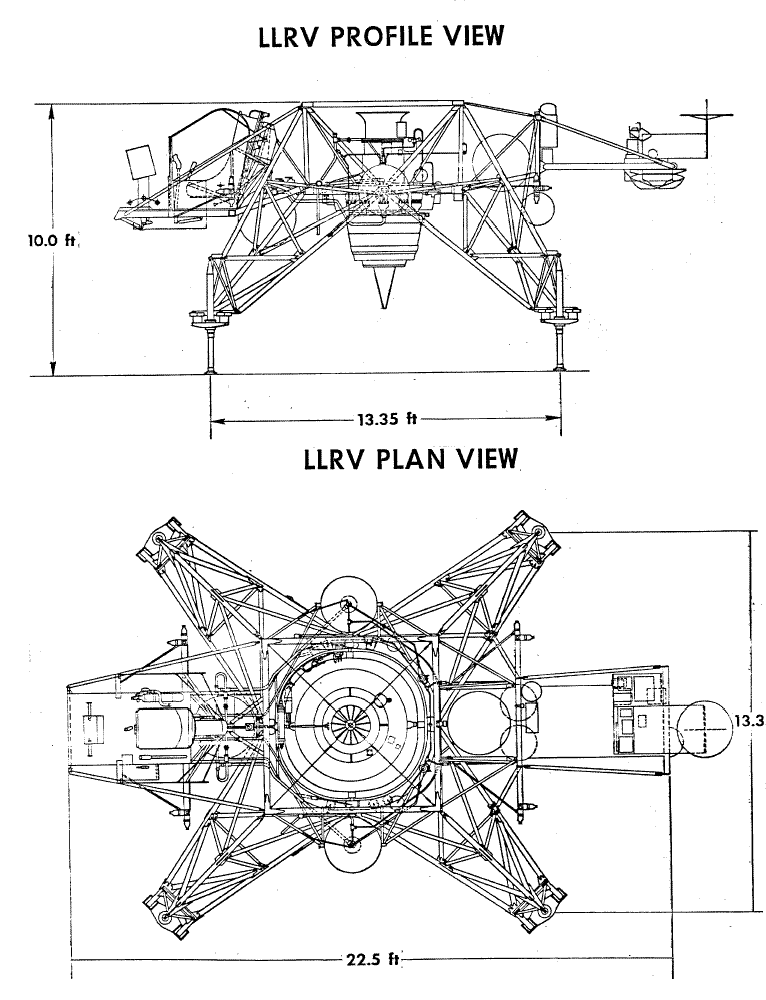
The problem NASA faced was genuinely new. The Moon has one-sixth of Earth's gravity and no air, so nothing on Earth flies like a lunar lander. NASA's answer was a spidery, open framework of struts and tanks with a single jet engine mounted vertically in the middle. That jet held five-sixths of the vehicle's weight, leaving the pilot to fly the remaining sixth on small rocket thrusters — exactly as he would fly a real lander in lunar gravity. It looked like a bed frame that had escaped a scrapyard, and the astronauts flew it standing up.
Five minutes, then chaos
On that May afternoon, Armstrong was several minutes into a routine flight when the vehicle began to tumble out of control. An accident board later found that a loss of helium pressure had quietly drained the hydrogen-peroxide propellant feeding the attitude thrusters — and the instruments never warned him. With the bedstead rolling toward the ground at around 200 feet, Armstrong had a fraction of a second to decide. He pulled the ejection handle.
His zero-zero ejection seat fired him clear and his parachute snapped open just in time. He drifted down as the LLRV hit the ground and erupted in flames. He suffered nothing worse than a bitten tongue.
Then he did his paperwork
The most famous part of the story is what happened next. That same afternoon, fellow astronaut Alan Bean passed Armstrong at his desk in the astronaut office. Later, Bean overheard people in the hallway talking about a crash — an LLRV, about an hour earlier. He went back and told Armstrong he'd just heard a hilarious rumour: that Neil had bailed out of the trainer an hour ago. Armstrong looked up. "Yeah, I did," he said. "I lost control and had to bail out of the darn thing."
The bedstead that reached the Moon
Engineers found and fixed the fault, and flights resumed that October with an improved version, the Lunar Landing Training Vehicle. Dangerous as it was — another LLTV would be lost in 1971, its pilot also ejecting safely — the astronauts and Armstrong himself insisted it was irreplaceable. Nothing else on Earth taught a pilot the feel of setting a spacecraft down in lunar gravity.
When Armstrong took manual control of the lunar module Eagle in July 1969, flying it past a boulder field to a safe landing with seconds of fuel remaining, he was doing something he had practised in that contrary, dangerous flying bedstead. The machine that nearly killed him is a large part of the reason he lived to say "the Eagle has landed."

Sources: NASA History; National Air and Space Museum; First Man (James R. Hansen); HistoryNet.


0 Comments