
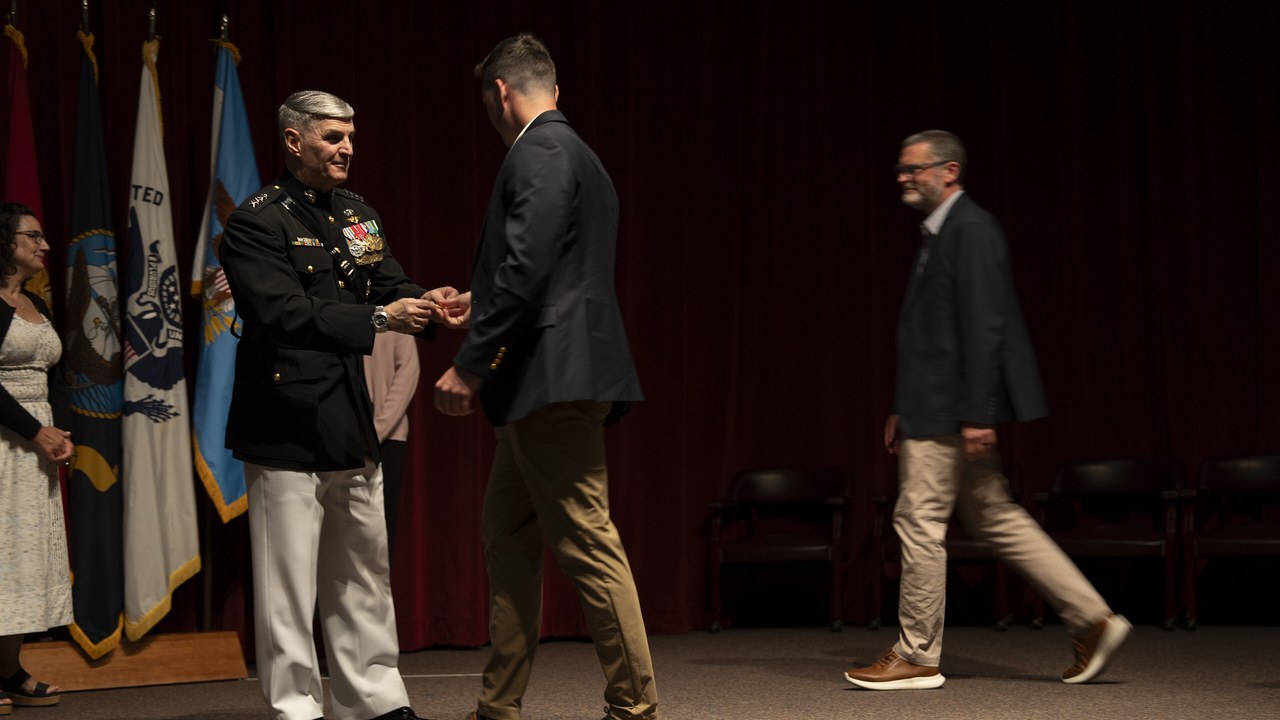
At Naval Air Station Whiting Field in Florida, a winging ceremony builds to one moment: family members step forward and pin a small gold badge on the chest of a newly graduated naval aviator. Years of flight training come down to that. In April 2026, the Vice Chairman of the Joint Chiefs of Staff, Marine Corps Gen. Christopher Mahoney, handed out the "Wings of Gold" at one of these ceremonies himself.
Almost every air force and navy in the world marks the same moment with the same symbol: a pair of wings. The badge goes by many names, aviator badge, pilot's badge, brevet or simply wings, but its purpose has not changed in more than a century. It tells everyone who sees it that the wearer has been trained and qualified to fly a military aircraft.
Quick Facts
- Early military pilot badges: the US Military Aviator badge (from 1912), Austria-Hungary and Germany (both 1913)
- US Navy "Wings of Gold": first issued 13 November 1917, design credited to John H. Towers
- Naval aviators winged 1910 to 1995: more than 153,000
- USAF pilot badge: three degrees, Pilot, Senior Pilot and Command Pilot
- RAF badge: a winged crown and wreath with the letters "RAF", in use since the Second World War
- Half wing: worn by non-pilot aircrew in several air forces, including the RAF
Why Pilots Needed a Badge at All
When armies began training pilots before the First World War, they needed a way to show who had qualified. The aviator badge was created to recognise that training and, as Wikipedia's history of the badge puts it, to set military pilots apart from the "foot soldiers" of the ground forces.
In Europe, the first badges appeared in 1913. Austro-Hungarian aviation troops began wearing gilded silver and enamelled badges that year. In Germany, Emperor Wilhelm II created the Military Pilot Badge on 27 January 1913, for officers, NCOs and crews who had passed the two required pilot tests and earned their military pilot's certificate. Bavaria followed with its own badge about a week later. Badges for naval seaplane pilots, observers and, in 1918, air gunners came next.
The United States had a Military Aviator badge from 1912 until 1917, when it was replaced by the first true American "wings".
The American Wings: One Wing, Two Wings, a Star
The US Army Air Service issued its first aviator badges during the First World War, in three degrees. An observer wore a "US" shield with a single wing on the left side. A junior aviator wore the shield between two wings. A senior aviator had the same badge with a star above the shield. The idea of a single wing for non-pilot aircrew is still used by several air forces today, as the "half wing".
The design that every US Air Force pilot wears today arrived during the Second World War, with the US Army Air Forces. It came in three degrees: Pilot, Senior Pilot and Command Pilot. When the US Air Force became an independent service in 1947, it kept the same badge. The main change since then is the material: from the mid-1990s, the wings have been made of chrome or sterling silver instead of the dull alloy used before.

The higher degrees are earned with time and flying hours. According to Wikipedia's summary of the USAF rules, a Senior Pilot needs seven years as a rated pilot plus 2,000 total flying hours, or 1,300 hours of primary and instructor flying. The US Army, which kept its own aviation after 1947, created a modified version of the Air Force badge for its aviators in 1950, with a Master Aviator grade added in 1957.
The Wings of Gold
The US Navy took a different route. Its aviator badge was first issued on 13 November 1917 and has barely changed since. The design, credited to John H. Towers, one of the Navy's first aviators, shows a single fouled anchor under a shield with 13 stripes, set on a pair of wings. Navy, Marine Corps and Coast Guard pilots all earn the same badge when they finish advanced flight training, and it is always gold.

Unlike the Air Force and the Army, the naval services have no senior or master grades. A naval aviator wears the same wings on the first day and the last. Between 1910 and 1995, more than 153,000 naval aviators earned them, and up to about 1,000 more are designated every year.
In November 2019, Lt. j.g. Robert Woods became the 35,000th helicopter pilot to be winged at Whiting Field. Twenty-two other students earned their wings with him that day.
Crowns, Wreaths and Half Wings
Outside the United States, the badge usually carries national symbols. The Royal Air Force pilot's badge, in use since the Second World War, is a winged crown and wreath with the letters "RAF" beneath. The crown changes with the monarch: wings issued in wartime carry the King's crown, while those issued during Queen Elizabeth II's reign carried hers.
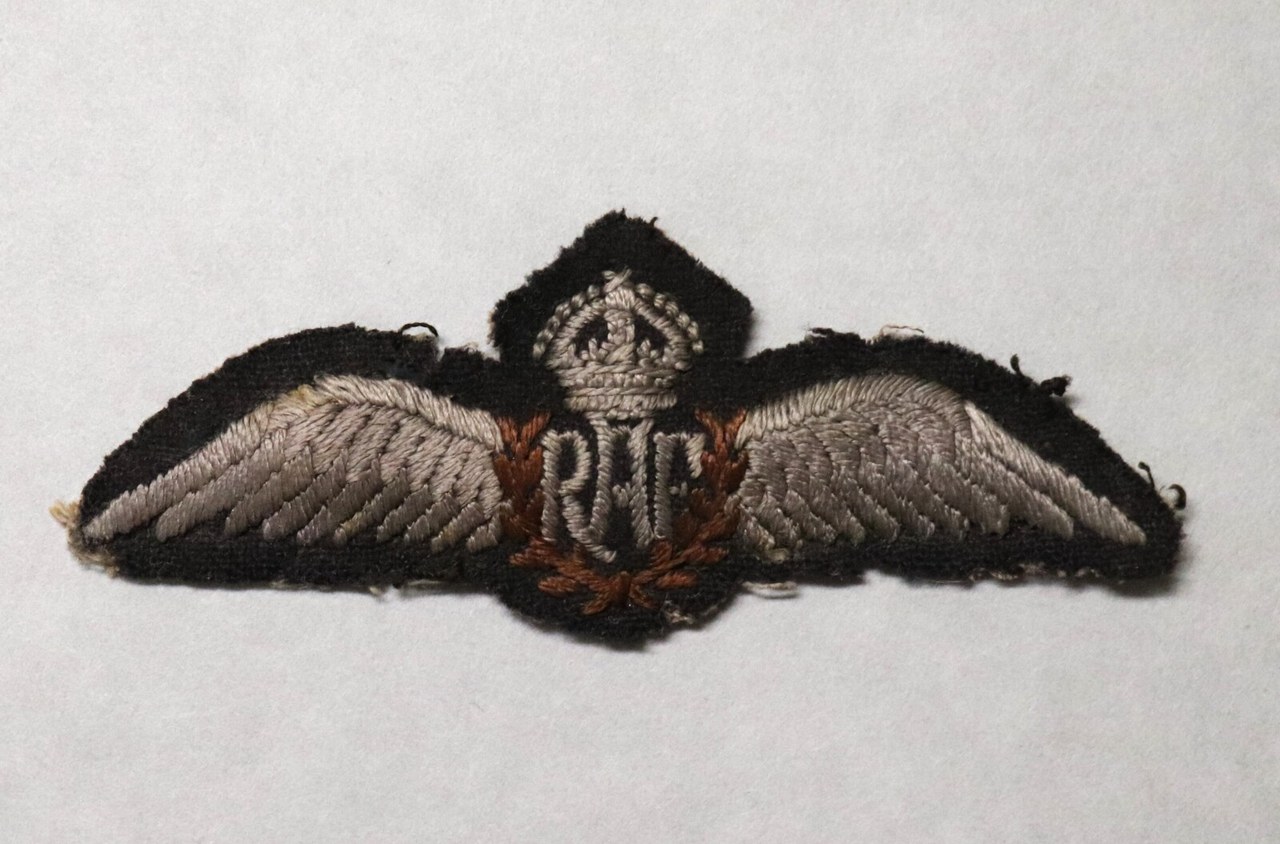
The RAF also uses a half wing, a single wing, for Weapon Systems Officers, Weapon Systems Operators and other airborne roles. Other air forces use their own emblems. The Belgian Air Force badge carries the Belgian lion and the royal crown, and the Royal Danish Air Force badge is based on the Danish coat of arms.
Still Worth Earning
Wings are no longer limited to the military. Airlines issue them to their pilots, the FAA awards badges to pilots who complete stages of its WINGS proficiency programme, and flight schools and youth programmes have their own versions. But the military badge remains the one that means the most to the people who wear it, because of what it takes to get one.
Rear Adm. Kyle Cozad, who commanded the Navy's education and training command, spoke at the 2019 Whiting Field ceremony.
In the video below, retired USAF Colonel Norm Potter explains the differences between the US Air Force's rated officer wings.
Sources: Wikipedia (Aviator badge; United States Aviator Badge; Naval aviator insignia); US Navy news release on the 35,000th helicopter pilot winged at NAS Whiting Field (November 2019); Joint Chiefs of Staff photo caption, Training Air Wing 5 winging ceremony (April 2026); San Diego Air & Space Museum Archives
0 Comments