
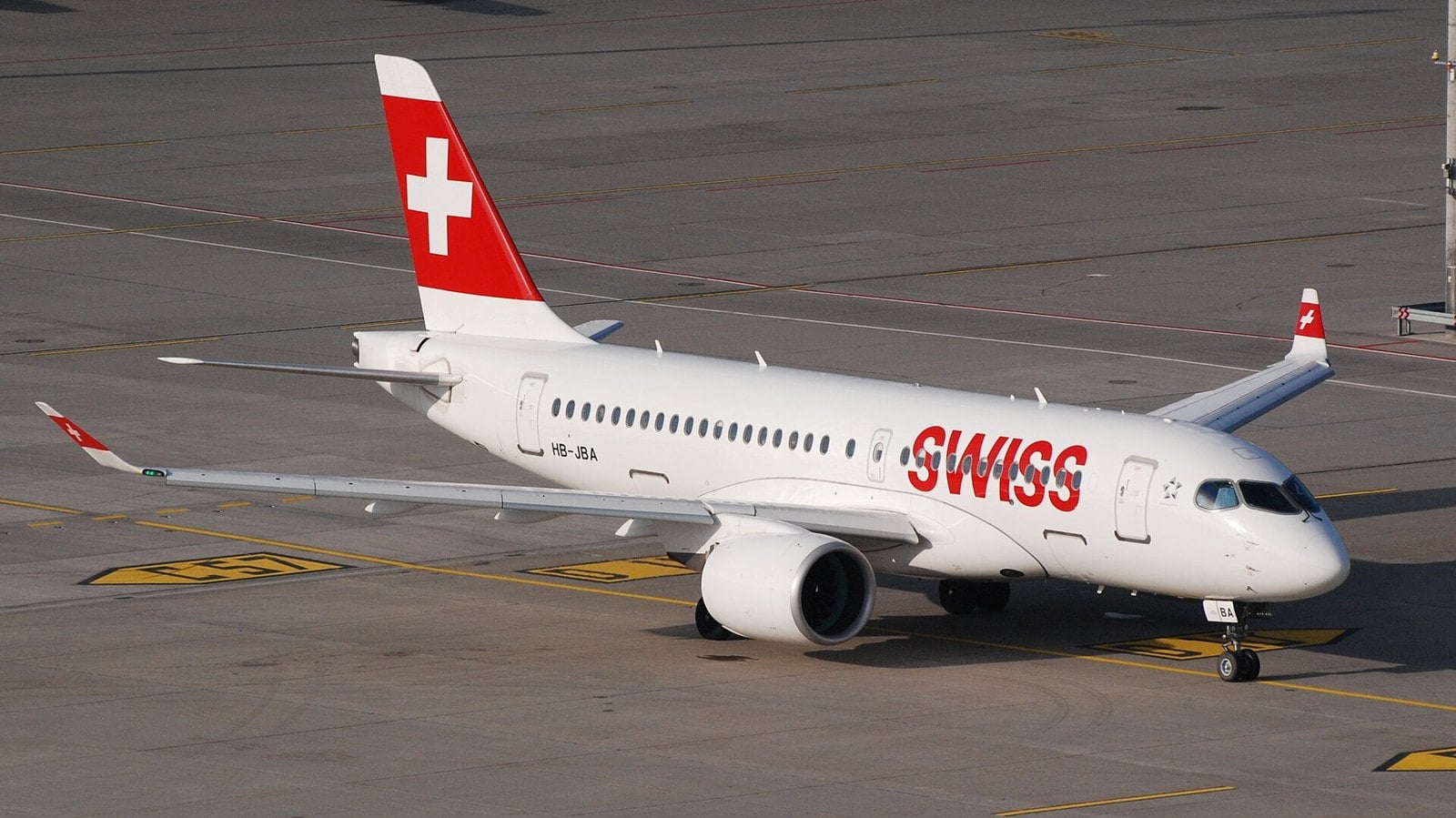
Ten years ago, Swiss International Air Lines bet its short-haul future on a brand-new Canadian jet. On Tuesday, 3 November 2026, it confirmed that the romance is over. Presenting third-quarter results, chief financial officer Dennis Weber said SWISS will retire all of its Airbus A220s: first the small A220-100s by late 2027, then the larger A220-300s in the 2030s.
In their place, SWISS wants a single short-haul family: the Airbus A320neo and A321neo. It is a striking turn for the airline that launched the type, and it says a lot about what an unreliable engine and a mixed fleet really cost.
Quick Facts
- Airline: Swiss International Air Lines (SWISS), Lufthansa Group
- Announced: 3 November 2026, third-quarter results
- A220 fleet: 30 delivered: 9 A220-100 and 21 A220-300
- A220-100 exit: Last four leave at the start of the winter 2027 schedule
- A220-300 exit: Planned for the 2030s
- Engines: Pratt & Whitney PW1500G geared turbofans (PW1524G family)
- Future short-haul fleet: Airbus A320neo and A321neo only
Swiss A220-100s: Engine Donors First
The small A220-100s were already on their way out. About a year ago, in late October 2025, SWISS decided to stop flying all nine by the end of 2027. The reason was its Pratt & Whitney geared turbofans, which showed premature wear and forced unplanned engine overhauls. Back then Weber was careful to stress what it was not:
The trick SWISS found was to cannibalise the smaller jets to keep the bigger ones flying. The engines on the A220-100 and A220-300, the PW1524G and PW1524G-3, are practically identical, according to aeroTELEGRAPH, so engines from grounded -100s can go straight onto -300s and save them from sitting on the ground.
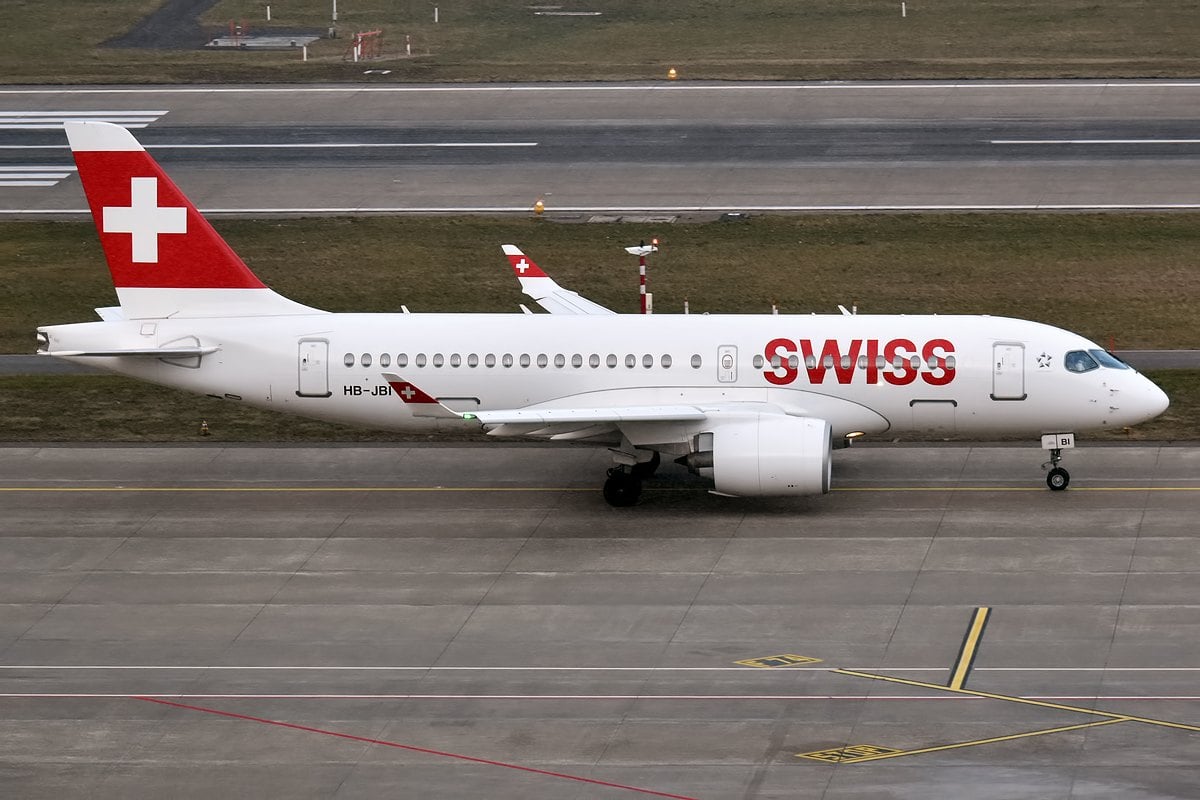
On Tuesday Weber gave the timetable. Two A220-100s have already been withdrawn as engine donors and three more are going the same way now. The remaining four will fly through the summer 2027 schedule and leave at the start of the winter 2027 schedule. Even with the engine problems close to solved, the A220-100s are not coming back.
Why the A220-300s Are Going Too
The bigger news is the A220-300. SWISS flies 21 of them, and they are young aircraft. But Weber said the airline wants to rely only on the A320neo and A321neo on short-haul routes in future. The A220-300s will go too, though he made clear that this is a 2030s story, not a 2027 one.
The argument is complexity. Two aircraft families mean two type ratings, two sets of spare parts and engineers with different qualifications. Reducing that complexity on short-haul is now a core strategy, Weber said on Tuesday:
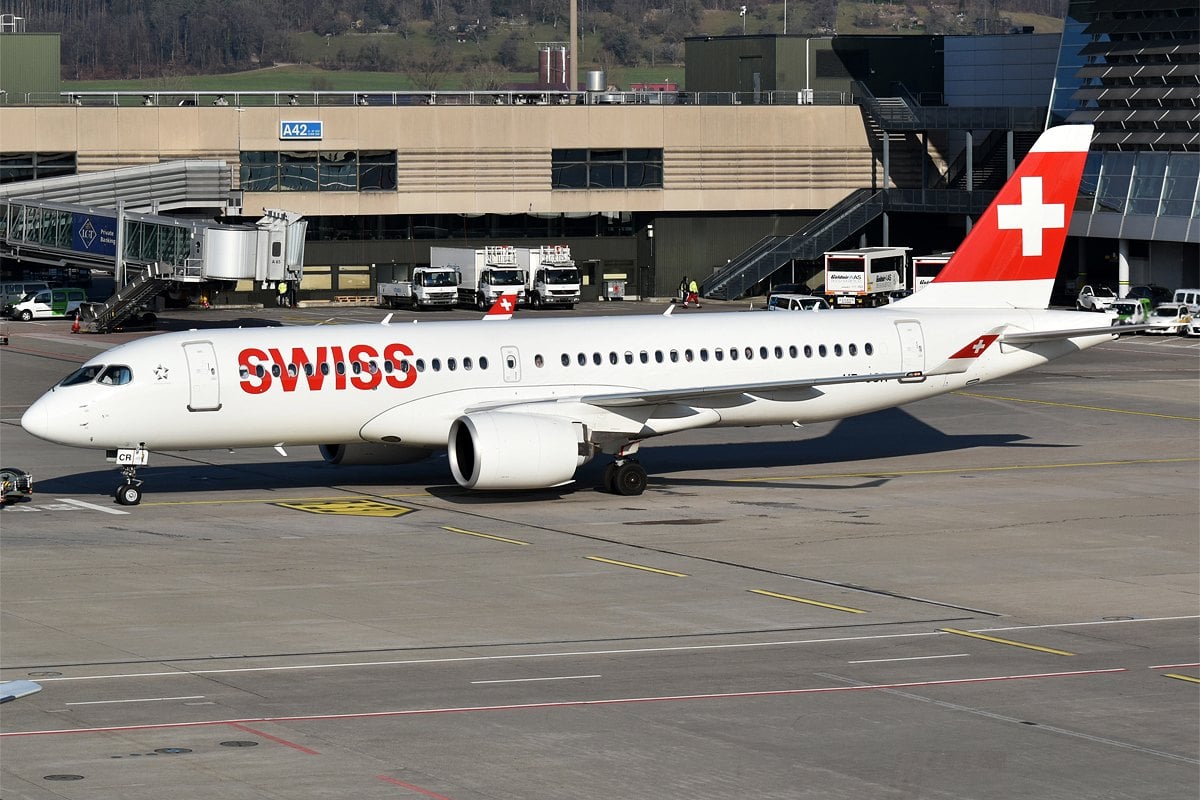
Nobody at SWISS is calling the A220 a bad aircraft. Crews and passengers like it. It is simply, as aeroTELEGRAPH put it, a relationship that drifted apart. SWISS will also study whether to replace the A220-300 capacity with extra A320neos and A321neos over the medium to long term.
From Launch Customer to Leaving Customer
The irony is hard to miss. Lufthansa Group’s commitment to the Bombardier C Series in 2008 helped get the programme off the ground, and the first 30 aircraft were earmarked for SWISS. The first one, HB-JBA, arrived in Zurich on 1 July 2016, making SWISS the type’s launch operator. Airbus later took over the programme and renamed it the A220. SWISS celebrated the CS100 in its own film back in 2015:
The jets will not be scrapped young if the group can help it. According to aeroTELEGRAPH, Lufthansa Group is already looking at where its A220s could go next. ITA Airways already flies the type and Lufthansa City Airlines is about to add it, so a move inside the group is one obvious option.
For Swiss travellers, nothing changes overnight: A220s will keep flying from Swiss airports for years. But the lesson for every airline counting on a new-generation engine is plain enough. A great airframe is only as good as the engine bolted under its wing, and a fleet is cheapest when it is boring.
Sources: aeroTELEGRAPH, Aviation Week, Simple Flying, SWISS, Wikipedia

0 Comments