
Mitsubishi Ki-51
“Sonia”
Slow, sturdy and everywhere the Japanese Army fought — a light ground-attack and army-cooperation aircraft built to work from rough forward strips, armoured to survive the front line, and flown to the very last day of the war.
The Mitsubishi Ki-51: the Army’s rugged low-level workhorse
By the late 1930s the Imperial Japanese Army had learned a hard lesson over China: a battlefield support aircraft did not need to be fast or glamorous, it needed to be tough, simple and able to operate from a dirt strip behind the front line. In December 1937 the Army issued a specification for exactly that — a smaller, sturdier successor to the Mitsubishi Ki-30 “Ann” light bomber. Mitsubishi’s answer, first flown in 1939, became the Ki-51.
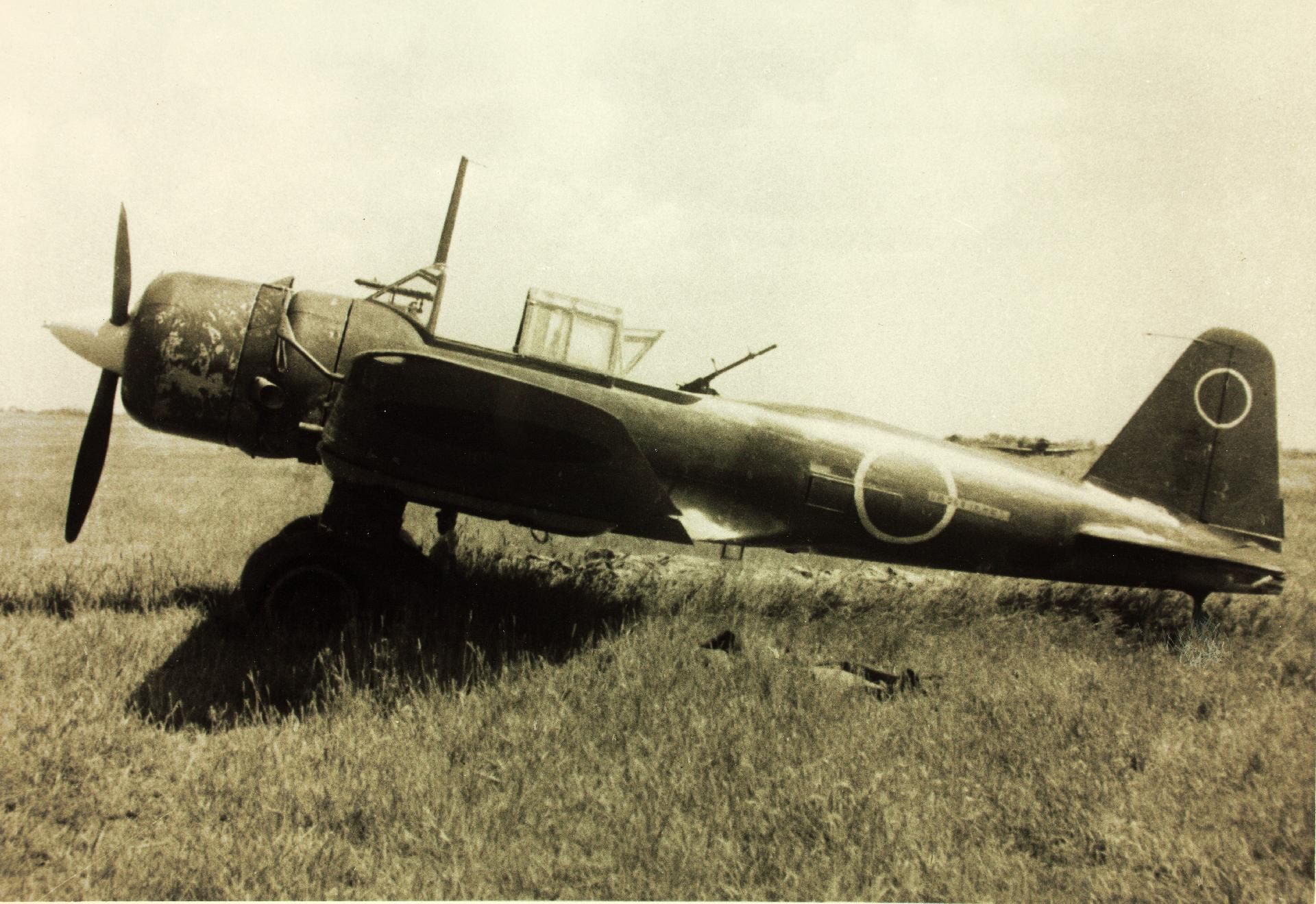
It was never meant to dazzle. Powered by a single Mitsubishi Ha-26 radial of around 940 hp and cruising at little more than 400 km/h, the Ki-51 was slow by any 1940s standard. But it carried what mattered: about 6 mm of armour around the cockpit and engine — unusual protection for a Japanese design of the period — a robust fixed, spatted undercarriage that shrugged off rough ground, and a low wing that let it be built simple and strong. Crews liked it; ground staff could keep it flying with modest facilities. The Army adopted it as the Type 99 Assault Plane (and, in a near-identical reconnaissance form, the Type 99 Army Reconnaissance Plane).
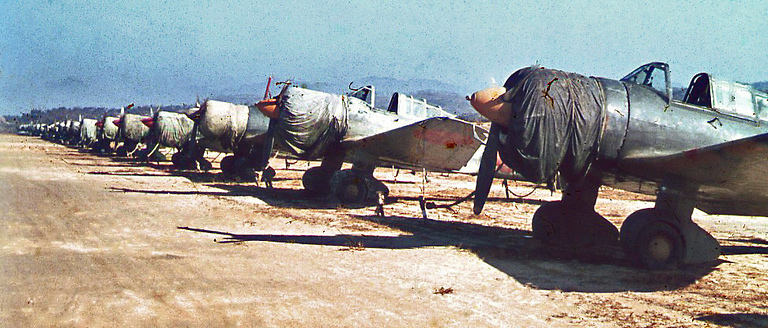
From 1940 the Sonia — the Allied reporting name it later earned — fought in essentially every theatre the Japanese Army entered: the long war in China, the jungles of Burma 和 New Guinea, the sprawling Netherlands East Indies, and the bitter defence of the Philippines. It strafed, dive-attacked and spotted for the guns, and it proved more consistently useful than several far more sophisticated Japanese types. As the war turned, the same qualities that made it a good attack aircraft — simplicity, availability and a bomb under the belly — saw it pressed into kamikaze service in the final months.
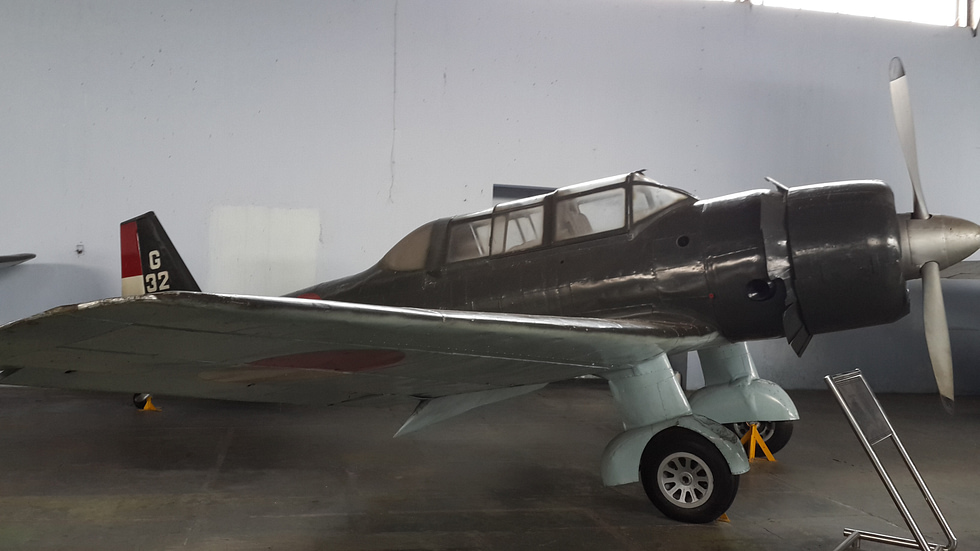
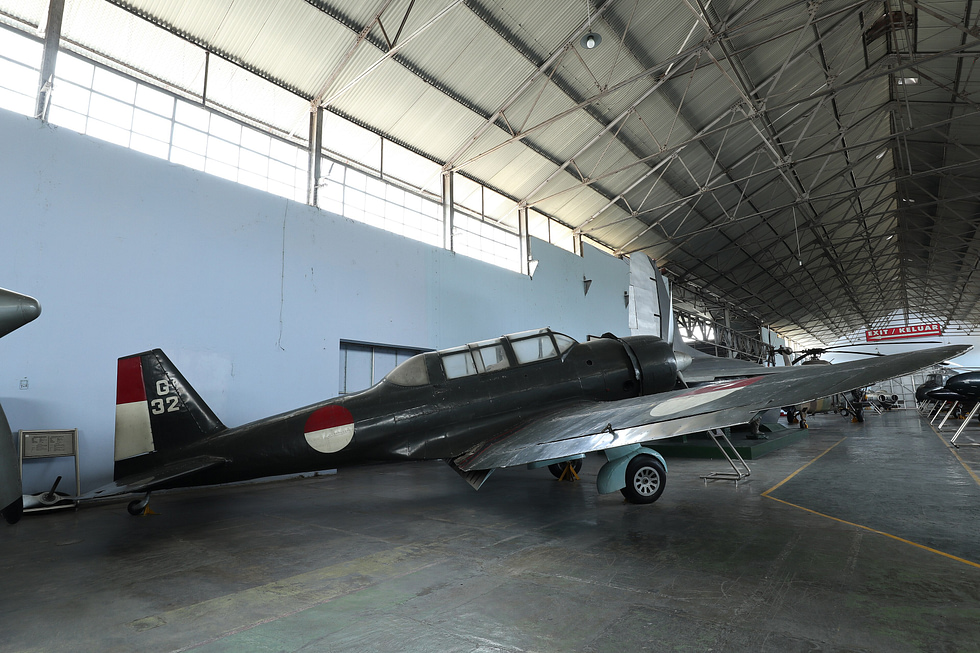
Production ran to roughly 2,385 aircraft (sources differ, with 2,372 also widely cited) built by Mitsubishi and the Tachikawa arsenal until July 1945. The Sonia’s story did not quite end with Japan’s surrender: captured examples were flown by Indonesian revolutionaries against returning Dutch forces in the independence war that followed, and a survivor still stands in an Indonesian museum today.
01The Mitsubishi Ki-51 in the ground-attack role: why the Army wanted something small
The Ki-51 grew directly out of combat experience in China. The earlier Ki-30 “Ann” was a capable light bomber, but the Army wanted a smaller, more agile aircraft that could work close to the troops — diving on gun positions, strafing columns, and flying from the improvised strips that followed an advancing army. The December 1937 specification asked for good low-speed handling, short-field performance and durability rather than raw speed.
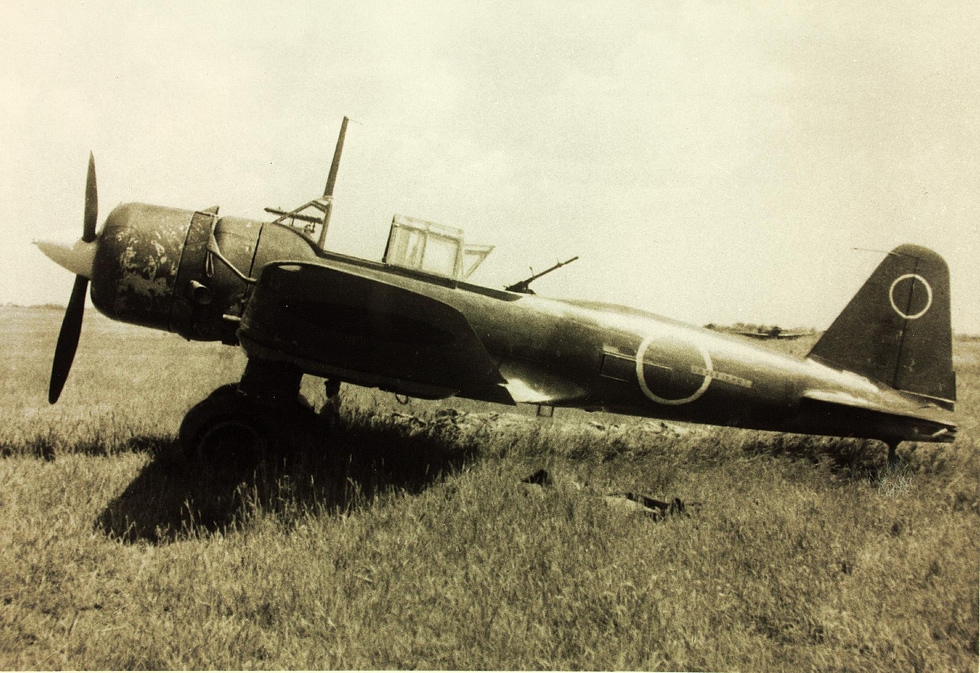
Mitsubishi met it by keeping things deliberately conventional: a low-wing monoplane with a fixed, trousered undercarriage — heavier than a retractable gear, but far simpler to maintain and much harder to damage on a rough field. The result looked dated even in 1940, but it did the unglamorous job of army cooperation better than more advanced designs, and it stayed in production until the very end of the war.
What makes it special
Built to take a beating
Where most Japanese aircraft traded protection for range and agility, the Ki-51 carried roughly 6 mm of armour plate around the cockpit and engine. Combined with a strong, simple structure, it gave the Sonia a reputation for bringing its two-man crew home from low-level attacks that would have destroyed a lighter machine.
A single rugged radial — and fixed gear
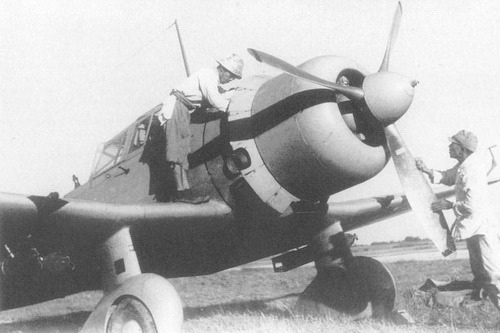
Power came from one Mitsubishi Ha-26 14-cylinder air-cooled radial of about 940 hp. It was never fast — roughly 424 km/h flat out — but the fixed, spatted undercarriage let it operate from rough forward strips that would have wrecked a retractable gear, and it was famously easy to service.
Light punch, close support
Armament was modest: two fixed forward-firing wing guns (7.7 mm early, 12.7 mm on later aircraft), a flexible rear gun for the observer, and up to about 200 kg of bombs. It was enough for the job the Ki-51 was built for — hitting troops, vehicles and positions from low level, again and again.
02The Mitsubishi Ki-51’s armour and undercarriage: built to survive the front line
Two features set the Ki-51 apart from the fragile reputation of wartime Japanese aircraft. First, the armour: around 6 mm of plate shielded the cockpit and the engine, a deliberate choice for an aircraft expected to loiter low over hostile ground. Second, the fixed, trousered undercarriage: aerodynamically crude, but immensely practical. It let the Sonia fly from the kind of hastily scraped forward airfields that an army-cooperation aircraft actually had to use, and it removed a whole system that could jam, collapse or need workshop attention. The trade was speed — and the Ki-51 was slow — but for its role, durability beat velocity every time.
03The Mitsubishi Ki-51’s kamikaze role: the Sonia’s final mission
By late 1944 Japan was expending aircraft as guided weapons, and the Ki-51 — cheap, available in numbers and able to carry a bomb — was among the types drawn into kamikaze operations. Sonias flew suicide sorties during the Philippines fighting; a Ki-51 is among the aircraft credited with striking the US Navy light cruiser USS Columbia in Lingayen Gulf on 6 January 1945. Exact tallies of Ki-51 kamikaze sorties and hits are not reliably documented, and figures should be treated with caution — but the type’s presence in the final, desperate campaigns is well attested. It was a grim second career for an aircraft designed simply to support soldiers on the ground.
Full specifications
Airframe & Performance
- 全体人员
- 2 (pilot & observer/gunner)
- 长度
- ~9.21 m (30 ft 2 in)
- 翼展
- ~12.10 m (39 ft 8 in)
- 高度
- ~2.73 m (8 ft 11 in)
- 空重
- ~1,873 kg
- Max takeoff weight
- ~2,920 kg (figures vary)
- Max speed
- ~424 km/h (263 mph) at ~3,000 m
- 设备天花板
- ~8,270 m (27,130 ft)
- 范围
- ~1,060 km (660 mi)
Propulsion, Armament & Production
- 引擎
- 1 × Mitsubishi Ha-26-II radial
- Power
- ~940 hp at takeoff
- Forward guns
- 2 × 7.7 mm (12.7 mm on later aircraft)
- Rear gun
- 1 × flexible 7.7 mm
- Bomb load
- ~200 kg (551 lb bomb in kamikaze role)
- First flight
- 1939
- Built
- ~2,385 (2,372 also cited), 1939–1945
- Unit cost
- No reliable public figure
- Cost per flight hour
- No reliable public figure exists
04The Mitsubishi Ki-51’s operating costs: why no reliable price exists
The Ki-51 was a wartime state product of the Imperial Japanese Army, built by Mitsubishi and the Tachikawa arsenal and never traded on any open market. As a result no credible unit flyaway price or cost-per-flight-hour figure exists in the public record, and any precise dollar or yen number attached to the type today is effectively invented. What can be said is that the Sonia was designed to be cheap and simple — a conventional airframe, a single well-understood radial, fixed gear and easy maintenance — precisely so that it could be produced in quantity and kept flying from primitive fields. Its value was measured in availability and durability, not in an accountant’s ledger.
From China skies to the Indonesian revolution
The requirement
In December the Japanese Army issues a specification for a small, sturdy ground-attack aircraft to succeed the Ki-30 “Ann.”
First flight
Mitsubishi flies the Ki-51 prototypes in mid-1939 — conventional, fixed-gear and deliberately simple.
Enters service
Adopted as the Type 99 Assault Plane and Army Reconnaissance Plane; combat debut over China.
Across the Pacific
The Sonia spreads with the Army into Burma, the Netherlands East Indies and New Guinea.
Defending the Philippines
Ki-51s fly intensive attack and reconnaissance sorties as Allied forces return to the Philippines.
Kamikaze
In January a Ki-51 is among aircraft credited with striking USS Columbia in Lingayen Gulf; suicide sorties continue to the war’s end.
Production ends
Manufacture stops in July after roughly 2,385 aircraft built by Mitsubishi and Tachikawa.
The Indonesian revolution
Captured Ki-51s are flown by Indonesian revolutionaries against Dutch forces; a survivor is preserved at Yogyakarta.
From the front line: twelve Sonia stories
The lesson from China
Combat over China convinced the Army it needed something small, tough and close to the troops.
Read the full story
Why it kept its fixed gear
A retractable undercarriage would have been faster — and far less useful.
Read the full story
Six millimetres of armour
Unusual protection for a Japanese design gave the crew a real chance.
Read the full story
Where “Sonia” came from
The Allied reporting-name system turned an obscure Japanese type into a first name.
Read the full story
The long war it never left
From 1940 the Sonia was a fixture of the China campaigns.
Read the full story
Jungle cooperation
In Burma the Ki-51 supported the Army over some of the war’s hardest terrain.
Read the full story
Attrition in the South-West Pacific
Over New Guinea the Sonia flew into a grinding war of attrition.
Read the full story
The Sonia’s hardest fight
As the Allies returned to the Philippines in 1944, Ki-51s flew intensively — and began to die.
Read the full story
A grim second career
Cheap, available and able to carry a bomb, the Sonia was pressed into suicide attacks.
Read the full story
The Lingayen Gulf strike
On 6 January 1945 a Ki-51 kamikaze hit the cruiser USS Columbia.
Read the full story
Flown against the Dutch
After Japan’s surrender, Indonesian revolutionaries flew captured Sonias for independence.
Read the full story
The Sonia at Yogyakarta
A restored Ki-51 still stands in Indonesia today.
Read the full story
The Sonia in pictures
The Sonia in motion
Rex’s Hangar: Mitsubishi Ki-51. A detailed history of the Sonia from an established aviation-history channel — development, service and the type’s unusual toughness.
Where the Sonia fought
The score that defines it
The Ki-51 was never a fighter and left almost no air-to-air record — its war was fought at low level with bombs and machine guns, in support of soldiers on the ground. Its story is written in ubiquity and endurance: a slow, well-armoured attacker that turned up in every campaign the Japanese Army fought, and that ended the war being flown deliberately into ships.
Compare the combat record of every military aircraft. Figures where they exist are approximate and contested.
Everything people ask about the Mitsubishi Ki-51
Can I fly in a Mitsubishi Ki-51?
How fast was the Ki-51 Sonia?
Why is the Ki-51 called “Sonia”?
Was the Ki-51 any good?
Did the Ki-51 fly kamikaze missions?
How many Ki-51s were built?
Are there any Ki-51 survivors?
You can’t fly the Mitsubishi Ki-51.
These, you can.
Some legends only live in museums — others are fuelled and waiting. MiGFlug has put civilians in real military jet cockpits since 2004.
 Fly the L-39 AlbatrosThe world’s most-flown jet trainer — aerobatics included
 Fly the F-104 Starfighter“The missile with a man in it”
 Fly the MiG-21The Cold War’s most-produced jet
 驾驶T-33流星战斗机America’s first jet trainer
 Fly the DH VampireA piece of early jet history
 Fly the S.211Agile Italian jet trainer
 Fly the MB-326The classic Aermacchi jet
 Fly the MiG-15The Soviet legend of the Korean War
Continue the tour
Every fact, checked
- René J. Francillon — Japanese Aircraft of the Pacific War (Putnam)The standard English-language reference for Ki-51 development, variants and production totals.
- The Pacific War Online Encyclopedia — Ki-51 “Sonia”Role, armour, rough-field operation, Pacific service and postwar Indonesian use.
- HistoryOfWar.org — Mitsubishi Ki-51 “Sonia”Specifications, production figures and combat-role summary.
- The Texas Air Museum — Ki-51Museum profile of the type and its service history.
- Aviastar — Mitsubishi Ki-51 SoniaTechnical data and design overview of the attack/reconnaissance aircraft.
- Military Factory — Mitsubishi Ki-51 (Sonia)Dimensions, weights, powerplant and armament reference.
- Rex’s Hangar — Mitsubishi Ki-51 (video)Detailed narrated history of the Sonia from an established aviation channel.