
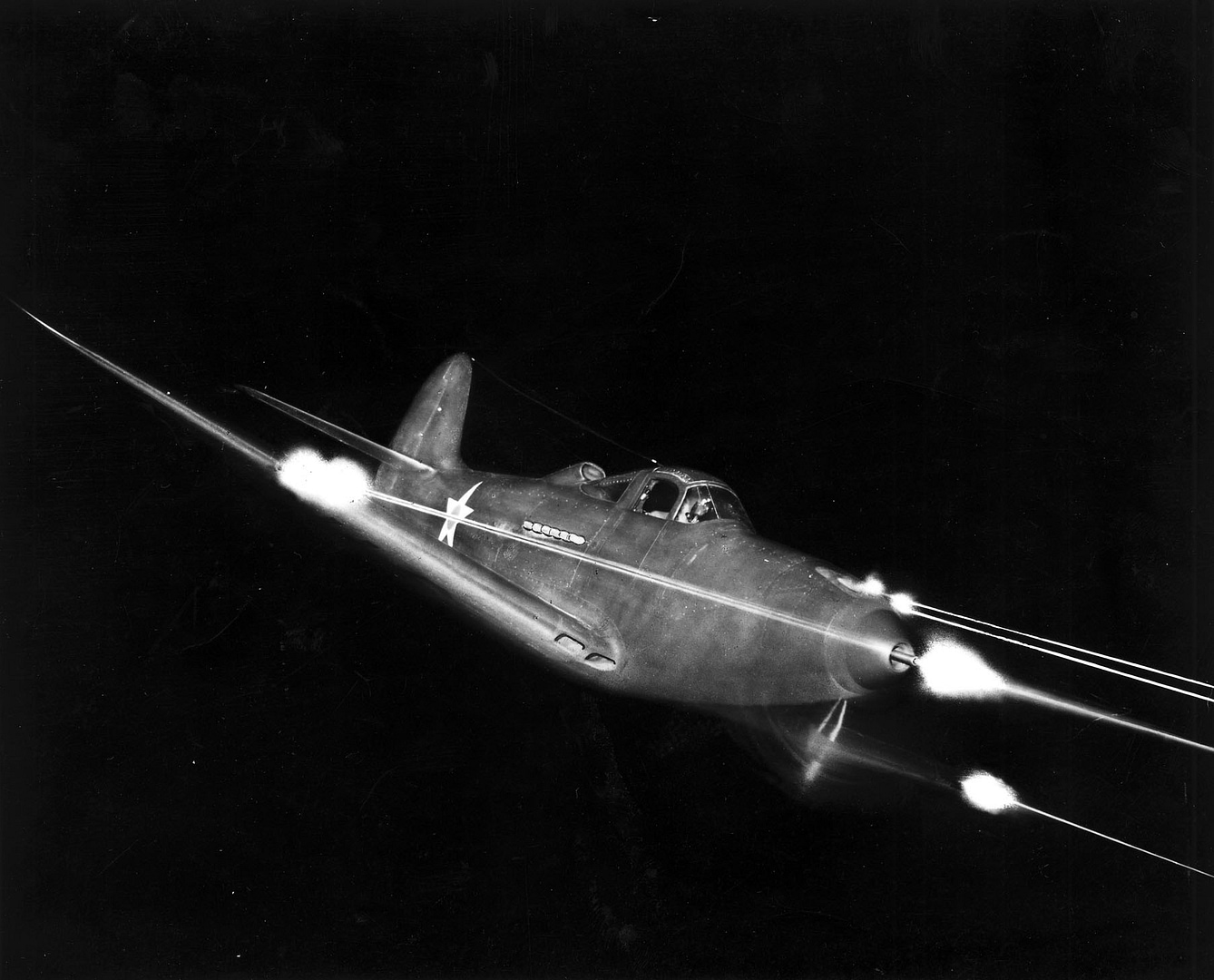
Bell P-39 Airacobra
A radical American fighter with its engine behind the pilot, a cannon firing through the propeller hub and car-style cockpit doors — scorned over Europe, but the mount of the Soviet Union’s deadliest aces at low level on the Eastern Front.
The upside-down fighter the Soviets loved
Ten/Ta/To Bell P-39 Airacobra was one of the strangest fighters of the Second World War. Where almost every other single-engine fighter carried its engine in the nose, Bell’s designers put the Allison V-1710 in the middle of the fuselage, directly behind the pilot, and drove the propeller through a long extension shaft running under the cockpit floor. That freed the nose for a heavy 37 mm cannon firing through the propeller hub, and let Bell fit the aircraft with tricycle landing gear and automobile-style side doors — the pilot climbed in through a car door and wound down a side window, not a sliding canopy.
The design began as an answer to a 1937 US Army Air Corps request for a high-performance interceptor, built around the big Oldsmobile cannon. The prototype XP-39 first flew on 6 April 1939, and on paper it was fast and futuristic. But when the prototype was handed to the NACA for wind-tunnel drag studies, the turbo-supercharger that gave it high-altitude punch was deleted from the production design in favour of a cleaner airframe. It was a fateful call: without the turbo, the Airacobra’s performance fell away sharply above roughly 15,000 feet.
That single decision defined the P-39’s reputation. Entering service in 1941, it disappointed the crews who most needed high-altitude performance. The RAF tested the Airacobra I in 1941, flew it operationally only briefly, and quickly withdrew it. American squadrons in the Pacific and over the Mediterranean found it outclassed by Japanese and German fighters at height, though it proved rugged and useful lower down — strafing, escorting and attacking shipping. It was never the interceptor the Air Corps had wanted.
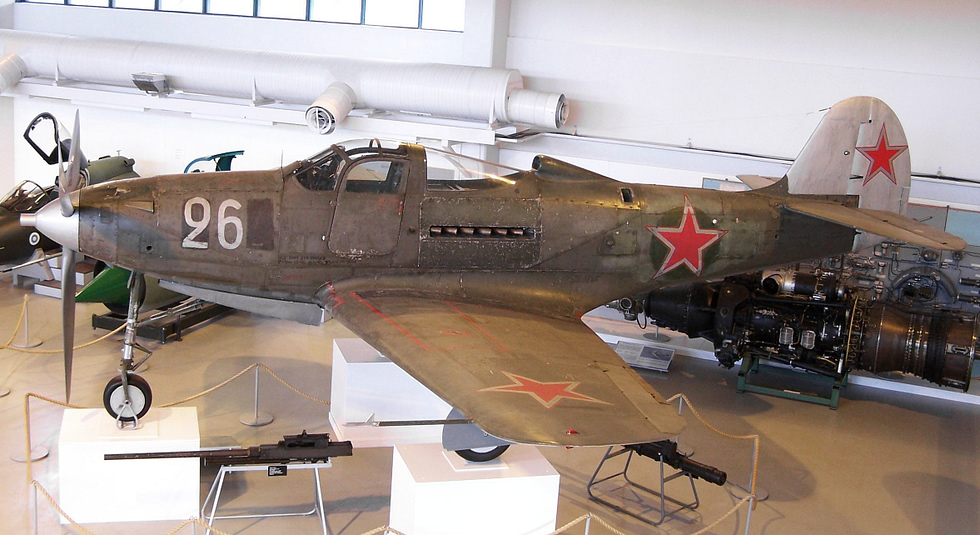
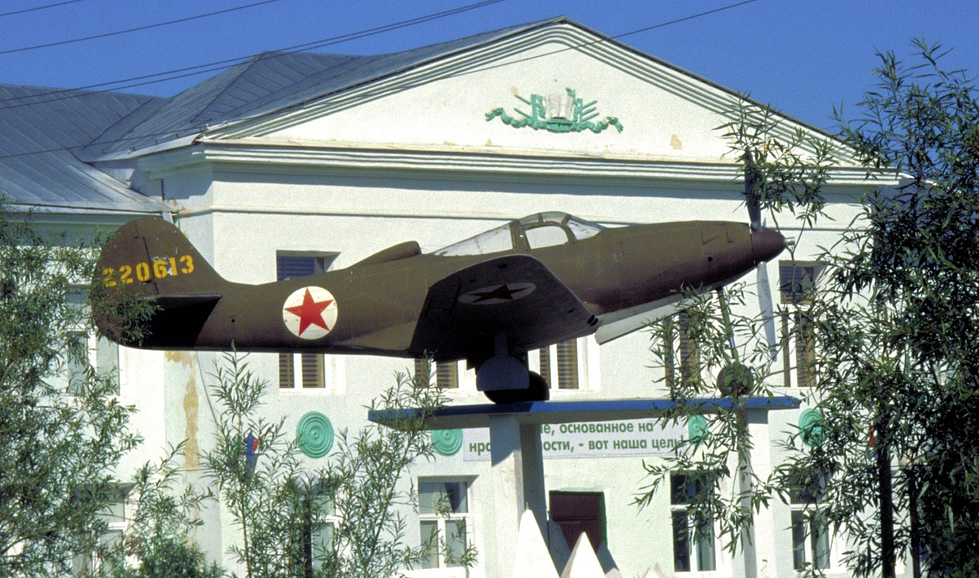
And yet, sent east under Lend-Lease, the same aircraft became a war-winner. On the Eastern Front most air combat happened low, where the P-39’s weakness never mattered. Soviet VVS pilots prized its heavy cannon, tough construction, good low-level speed and excellent cockpit visibility. Roughly half of all P-39s built — on the order of 4,700 aircraft — went to the Soviet Union, delivered along the Alaska–Siberia ferry route and through Iran. Several of the USSR’s highest-scoring aces, above all Aleksandr Pokryshkin, ran up huge tallies in the type; the Soviets nicknamed it the Kobra and flew it until 1949.
Around 9,600 Airacobras were built between 1940 and 1944. The design was refined into the larger, better P-63 Kingcobra — itself largely shipped to the USSR. Misunderstood in the West and celebrated in the East, the P-39 remains one of aviation’s great what-ifs: a mediocre interceptor that turned out to be a superb low-altitude killer in the right hands.
01Why the Bell P-39 Airacobra put its engine behind the pilot
The whole layout flowed from one weapon: the 37 mm T9/M4 cannon. To fire a gun that large straight down the aircraft’s centreline and through the spinning propeller, Bell needed the nose clear of any engine. So the Allison V-1710 was mounted amidships, over the wing and behind the cockpit, driving the propeller through a roughly 3-metre (10-foot) extension shaft that passed beneath the pilot’s seat to a gearbox in the nose. The mid-fuselage engine also put the aircraft’s mass near its centre of gravity, which helped Bell adopt tricycle landing gear — a nose-wheel arrangement still unusual for a fighter in 1939 — and the distinctive automobile-style doors with wind-down windows. The trade was cooling and centre-of-gravity complexity, and an early reputation for tumbling if mishandled; the payoff was a hard-hitting, easy-to-service, good-visibility fighter.
What makes it special
Mid-engine, nose cannon, tricycle gear
The Airacobra’s defining feature: the Allison V-1710 sat behind the pilot, driving the propeller through a long shaft so the nose could carry a 37 mm cannon firing through the hub. The layout also enabled tricycle landing gear and car-style side doors — the pilot entered through a door and wound down a window rather than sliding a canopy back.
No turbo-supercharger — a low-altitude fighter
The XP-39 flew with a turbo-supercharger, but it was deleted from the production design after drag-reduction studies. Without it, performance collapsed above about 15,000 feet, crippling the P-39 as a high-altitude interceptor. Down low, though, it was fast, rugged and hard-hitting — exactly where the Eastern Front fought.
The Soviet Lend-Lease success story
Rejected as an interceptor by the USAAF and RAF, the P-39 thrived with the Soviet VVS. About half of all Airacobras built went to the USSR, where its cannon, toughness and low-level speed suited the fighting. Aces such as Aleksandr Pokryshkin scored the bulk of their kills in it — the highest-scoring use of any American fighter.
02The P-39 Airacobra’s missing supercharger: the decision that shaped its whole war
The single-stage Allison V-1710 made good power at low and medium altitude, but its performance faded higher up unless boosted by a turbo-supercharger. The XP-39 prototype had one; the production P-39 did not. After NACA wind-tunnel work aimed at cutting drag, the turbo installation — bulky and aerodynamically awkward — was dropped. The result was a fighter that ran out of breath above roughly 15,000 feet, precisely the band where the air wars over Britain, Germany and the high-flying Pacific were decided. Historians still debate whether keeping the turbo would have made the Airacobra a front-rank interceptor; what is certain is that its deletion pushed the type toward the low-altitude ground-attack and Eastern-Front roles where it excelled.
03The P-39 Airacobra in Soviet hands: Pokryshkin and the Kobra
Soviet pilots called the P-39 the Kobra, and it became one of the most valued Lend-Lease aircraft they received. Most Eastern-Front combat happened below 5,000 metres, where the Airacobra’s lack of a supercharger was irrelevant and its heavy 37 mm cannon, four machine guns, rugged airframe and superb forward view were decisive. Aleksandr Pokryshkin, the second-highest-scoring Allied ace of the war, is commonly credited with scoring most of his 59 victories in the P-39, and refined his “altitude–speed–manoeuvre–fire” tactics in it. Fellow ace Grigori Rechkalov was also among the top Airacobra scorers. No other American fighter was flown to greater effect by a foreign air force.
Full specifications
Airframe & Performance (P-39Q)
- Posádka
- 1
- Délka
- ~9.2 m (30 ft 2 in)
- Rozpětí křídel
- ~10.4 m (34 ft)
- Výška
- ~3.8 m (12 ft 5 in)
- Plocha křídla
- ~19.8 m² (213 sq ft)
- Prázdná hmotnost
- ~2,575 kg (5,680 lb)
- Max takeoff weight
- ~3,760 kg (~8,300 lb)
- Max speed
- ~605 km/h (376 mph) at ~15,000 ft
- Servisní strop
- ~10,600 m (34,800 ft)
- Rozsah
- ~840 km (525 mi) · less on combat radius
Powerplant, Armament & Programme
- Motor
- 1 × Allison V-1710-85 V-12 (mid-mounted)
- Power
- ~1,200 hp
- Drive
- ~3 m (10 ft) extension shaft to nose gearbox
- Main gun
- 1 × 37 mm M4 cannon (30 rounds) through hub
- Machine guns
- 4 × .50 cal (2 cowl + 2 underwing)
- Bombload
- 1 × 500 lb bomb (ground-attack)
- First flight
- 6 April 1939 (XP-39)
- Built
- ~9,600 (1940–1944)
- Cost per flight hour
- No modern figure; warbird ops est. $2,000–4,000/hr
04The P-39 Airacobra’s costs: a $50,000 wartime fighter
As a mass-produced wartime fighter, the Airacobra was relatively cheap. Period figures put its flyaway cost in the region of $50,000 in early-1940s dollars — an order-of-magnitude figure that varied by block and year, not a fixed price. No meaningful cost-per-flight-hour figure exists for the type in service; the only modern operating costs come from the handful of airworthy warbirds, whose owners typically cite piston-warbird running costs in the low thousands of dollars per hour. Treat any precise dollar figure attached to a P-39 as an estimate.
From radical interceptor to Eastern-Front ace-maker
The cannon comes first
Bell Aircraft designs a fighter around the big 37 mm cannon in response to a US Army Air Corps request, forcing the engine behind the pilot.
XP-39 first flight
The prototype flies on 6 April 1939 — fast, futuristic, and fitted with a turbo-supercharger for high-altitude work.
The turbo is deleted
After NACA drag studies, the turbo-supercharger is dropped from the production design — sealing the P-39’s fate as a low-altitude fighter.
Service and the RAF trial
The P-39 enters USAAF service. The RAF tests the Airacobra I, flies it only briefly in late 1941, and quickly withdraws it.
Pacific and the Aleutians
P-39s and export P-400s fight over New Guinea, Guadalcanal and the Aleutians — struggling at altitude, effective low down against ships and troops.
Lend-Lease to the USSR
Airacobras flow east via the Alaska–Siberia ferry route and Iran. Soviet pilots find the P-39 ideal for low-level combat.
Pokryshkin over the Kuban
Aleksandr Pokryshkin runs up his tally in the P-39 during the Kuban air battles; the type also flies ground-attack in the Mediterranean with US, Free French and Italian co-belligerent units.
End of the line, and the Kingcobra
Production ends in 1944 at about 9,600 aircraft; the design evolves into the P-63 Kingcobra. The Soviets fly the P-39 on until 1949.
Twelve Airacobra stories
The gun that came first
Everything about the P-39 flowed from one big cannon in the nose.
Read the full story
Doors, not a canopy
The P-39 was one of very few fighters you entered like a car.
Read the full story
The missing supercharger
One deleted component defined the P-39’s entire career.
Read the full story
The tumbling myth
The P-39 earned a fearsome reputation for tumbling — part real, part legend.
Read the full story
Britain says no
The Royal Air Force bought the Airacobra, then quietly showed it the door.
Read the full story
P-400s over Guadalcanal
Export Airacobras fought a desperate low-level war in the Solomons.
Read the full story
The long road east
Nearly half of all P-39s were flown or shipped to the Soviet Union.
Read the full story
Pokryshkin’s Cobra
The Soviet Union’s second-ranking ace scored most of his kills in a P-39.
Read the full story
Rechkalov and the top scorers
Several of the VVS’s deadliest pilots made their names in the Airacobra.
Read the full story
Thirty rounds of 37 mm
The Airacobra’s cannon hit hard — when it worked.
Read the full story
Ground-attack in the south
US, Free French and Italian units flew P-39s over the Mediterranean.
Read the full story
From Cobra to Kingcobra
The P-39 led directly to a bigger, better successor.
Read the full story
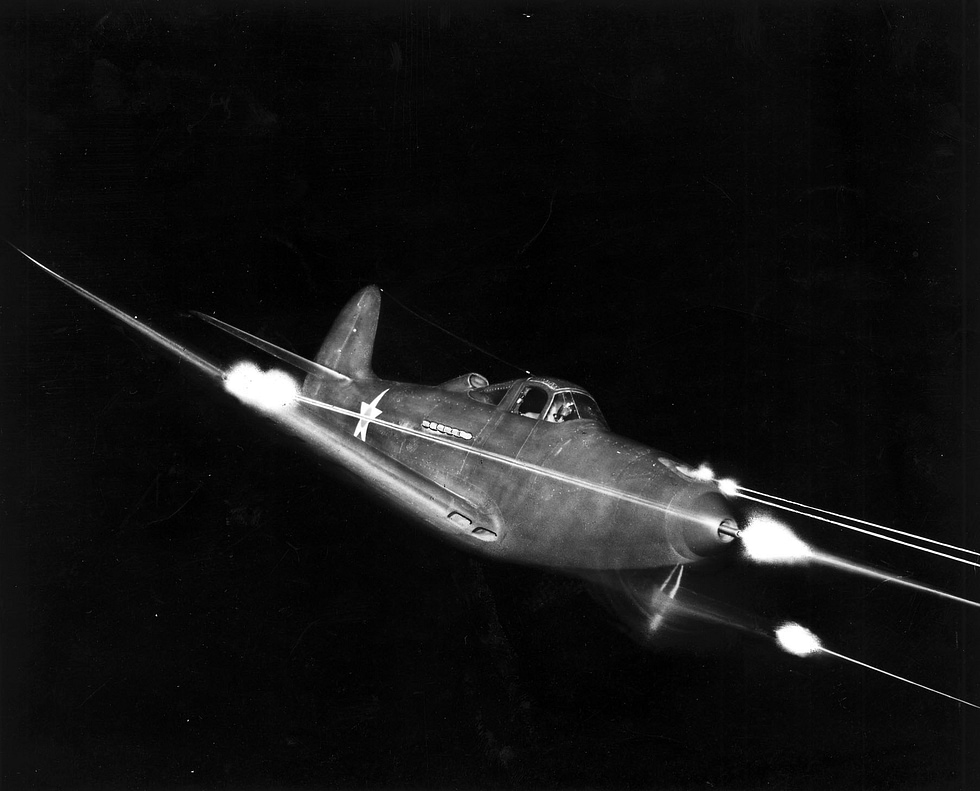
The Airacobra in pictures

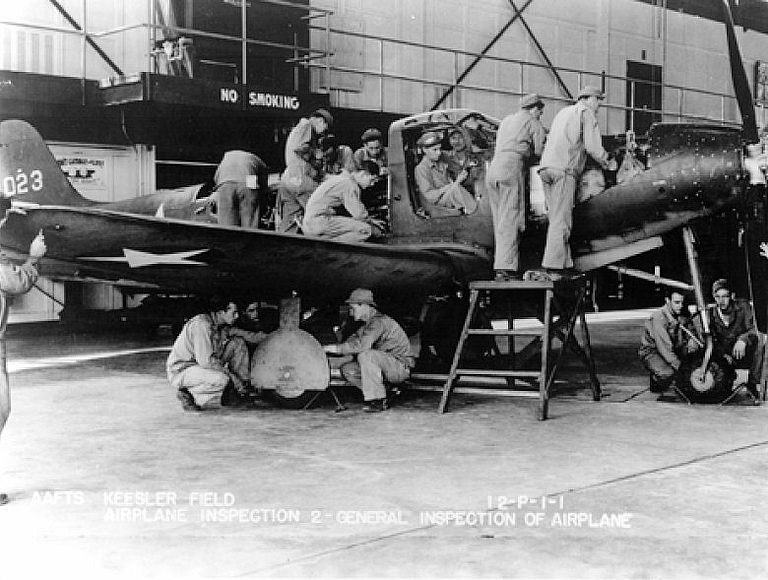
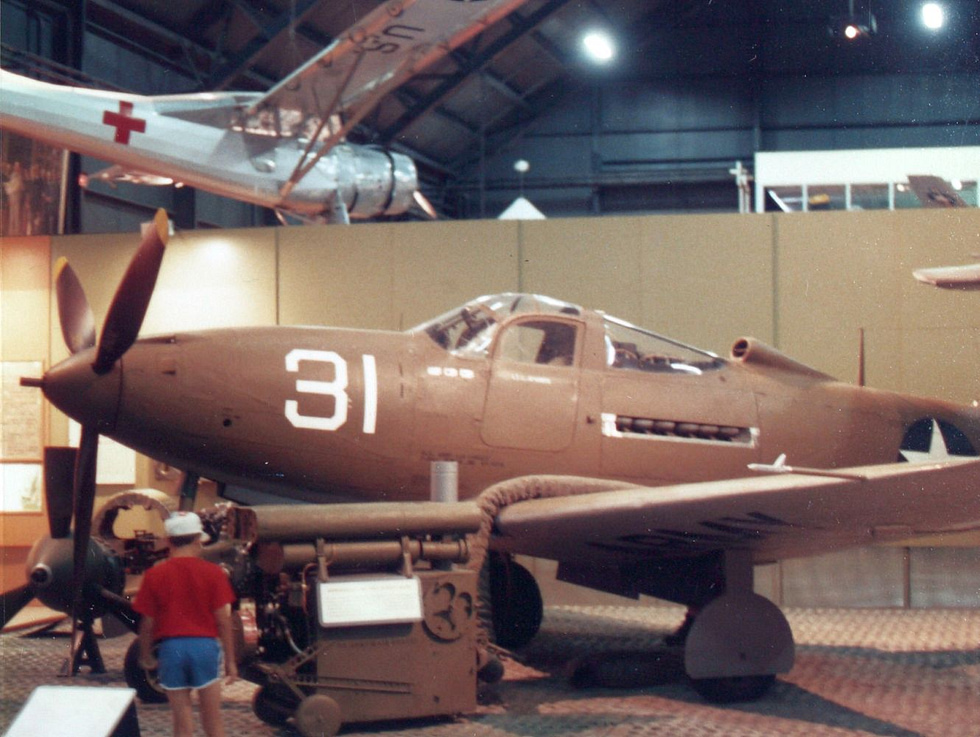
The Airacobra in motion
A hand-picked, high-authority P-39 Airacobra documentary is being selected for this exhibit. Video coming soon.
Where the Airacobra flew
The score that defines it
The P-39’s combat legacy is split in two. In Western hands it was a disappointment at altitude and did its best work low down, strafing and attacking shipping. In Soviet hands it became one of the deadliest fighters of the Eastern Front — the mount of some of the highest-scoring aces of the entire war.
Compare the combat record of every military aircraft. Figures as of July 2026.
Everything people ask about the P-39 Airacobra
Can I fly in a P-39?
Why did the P-39 have its engine behind the pilot?
Why was the P-39 bad at high altitude?
Why did the Soviets like the P-39 so much?
Who was the top P-39 ace?
How many P-39s were built?
What replaced the P-39 Airacobra?
You can’t fly the Airacobra.
These, you can.
Some legends only live in museums — others are fuelled and waiting. MiGFlug has put civilians in real military jet cockpits since 2004.
 Fly the L-39 AlbatrosThe world’s most-flown jet trainer — aerobatics included
 Fly the F-104 Starfighter“The missile with a man in it”
 Fly the MiG-21The Cold War’s most-produced jet
 Leťte s T-33 Shooting StarAmerica’s first jet trainer
 Fly the DH VampireA piece of early jet history
 Fly the S.211Agile Italian jet trainer
 Fly the MB-326The classic Aermacchi jet
 Fly the MiG-15The Soviet legend of the Korean War
Continue the tour
Every fact, checked
- National Museum of the US Air ForceP-39Q fact sheet: specifications, mid-engine layout and Soviet Lend-Lease service.
- Warfare History Network — The P-39 AiracobraDesign, low-altitude combat, Lend-Lease numbers and Pokryshkin’s tactics.
- March Field Air MuseumP-39Q specifications and production and Soviet-service figures.
- Vintage Aviation NewsThe 6 April 1939 XP-39 first flight and the mid-engine design.
- HistoryNet / Aviation HistoryThe turbo-supercharger deletion and the P-39’s reputation in Western service.
- Smithsonian InstitutionReference for the Airacobra’s configuration and preserved airframes.
- War History OnlineThe Airacobra as WWII’s most controversial low-altitude fighter.
- Wikimedia CommonsPublic-domain USAAF, NACA and archive photography used in this exhibit.