
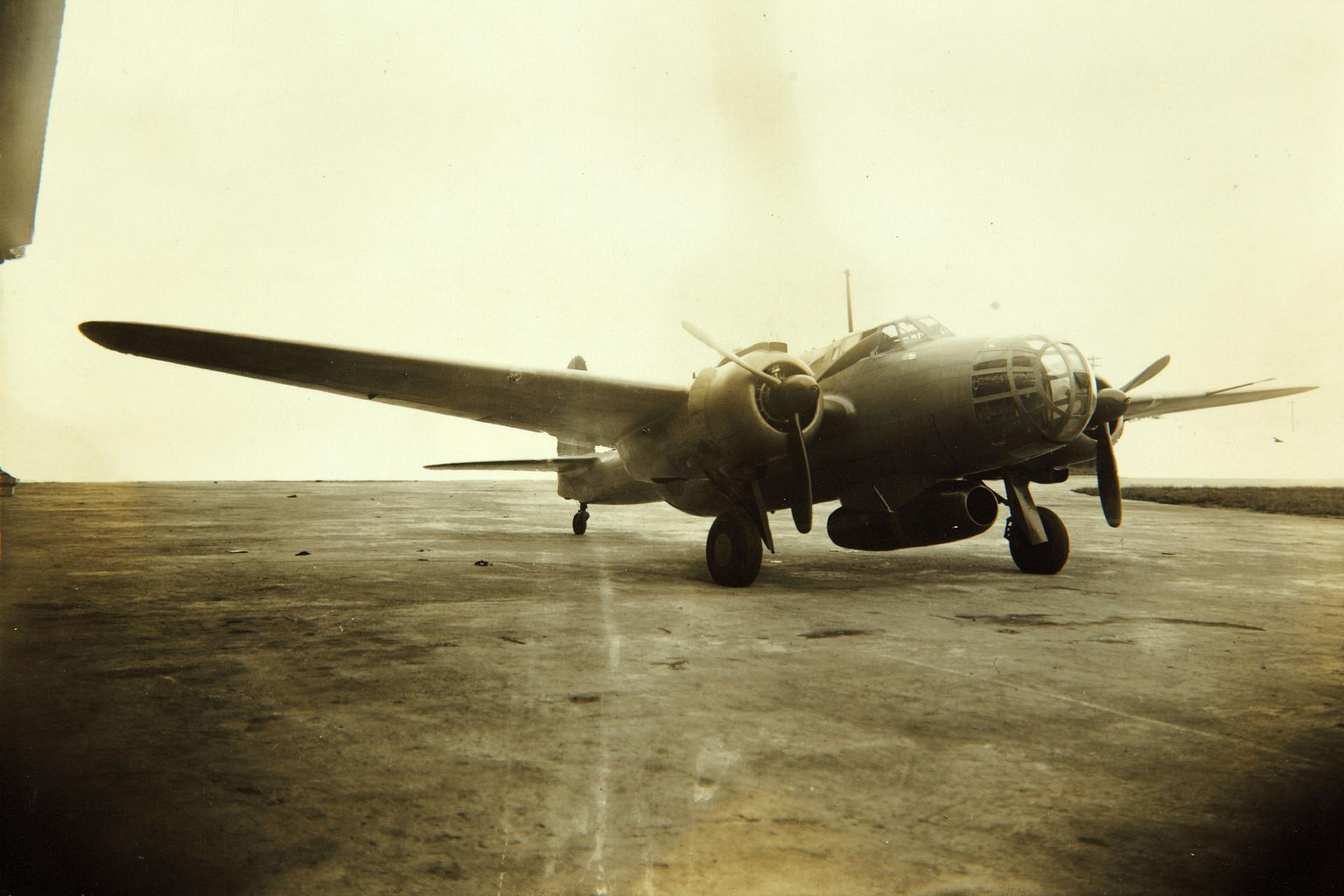
Kawasaki Ki-48
“Lily”
The fast little bomber Japan built to catch a Soviet ghost — brilliant over China in 1940, and a lightly-armed, unarmoured target once Allied fighters caught up.
The Kawasaki Ki-48: the bomber built to catch a Soviet speedster
Ten/Ta/To Kawasaki Ki-48 owes its existence to being outrun. In the fighting over China from 1937, the Imperial Japanese Army kept meeting the Soviet-supplied Tupolev SB — a twin-engine fast bomber quick enough that Japan’s own fighters and bombers struggled to catch it. Embarrassed by an enemy machine that could simply run away, the Army in December 1937 ordered Kawasaki to build a light bomber that would do the same thing better.
Design work began in January 1938 under Takeo Doi — the engineer who would also shape the Ki-45 “Nick” and the inline-engined Ki-61 “Tony.” The requirement was blunt about priorities: a top speed around 480 km/h, a cruise near 350 km/h, a modest 400 kg bombload and three or four hand-held 7.7 mm guns. Speed came first; protection and firepower came a distant second. The first prototype flew in July 1939, suffered a spell of tail flutter that was cured on the pre-production machines, and the type entered service in 1940 as the Army Type 99 Twin-engined Light Bomber.
For a season it worked exactly as intended. Over China in 1940–41 the Ki-48 was fast enough to be nearly uninterceptable — though that said as much about the thin Chinese air opposition as about the aircraft itself. Then the Pacific War arrived, and with it the P-40, the P-38 Lightning and the Spitfire. Against those fighters the Ki-48’s virtues evaporated: its speed was no longer exceptional, its three rifle-caliber guns were useless for self-defence, and its lack of armour and self-sealing tanks meant it burned easily. The Allies gave it the reporting name “Lily,” and by October 1944 the Army itself had declared it obsolescent.
Kawasaki kept improving it — the more powerful Ki-48-II added some armour, a bigger bombload and even a dive-bomber sub-variant — but the design had been overtaken by the war it was built for. In its last years the “Lily” was pushed into night raids, pressed into special-attack (kamikaze) conversions carrying an explosive charge in the nose, and used as a flying testbed for Japan’s experimental I-Go radio-guided bomb and even an early jet engine. Roughly 1,977 were built — a large number for an aircraft almost no one remembers.
01The Kawasaki Ki-48’s origin: how the Tupolev SB shamed Japan into building it
When the Second Sino-Japanese War flared in 1937, Chinese units flew the Soviet Tupolev SB, a sleek twin-engine bomber whose speed let it strike and escape before Japanese fighters could reach it. For an army used to owning the sky over China, that was intolerable. The response was a formal December 1937 instruction to Kawasaki for a fast light bomber of its own — a machine defined less by what it should carry than by what it should be able to outrun.
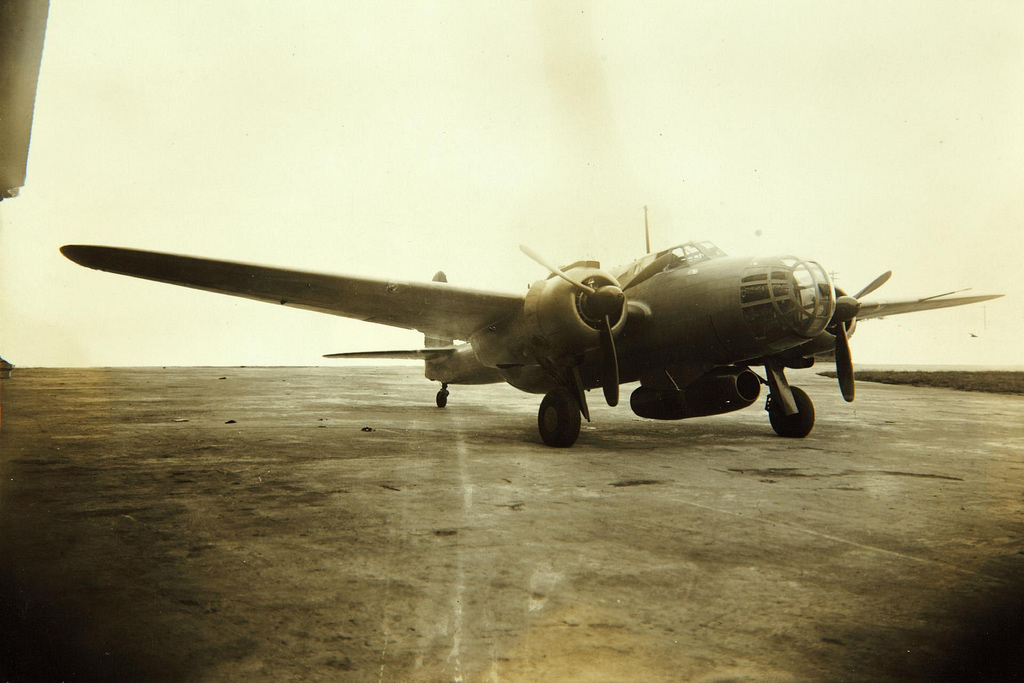
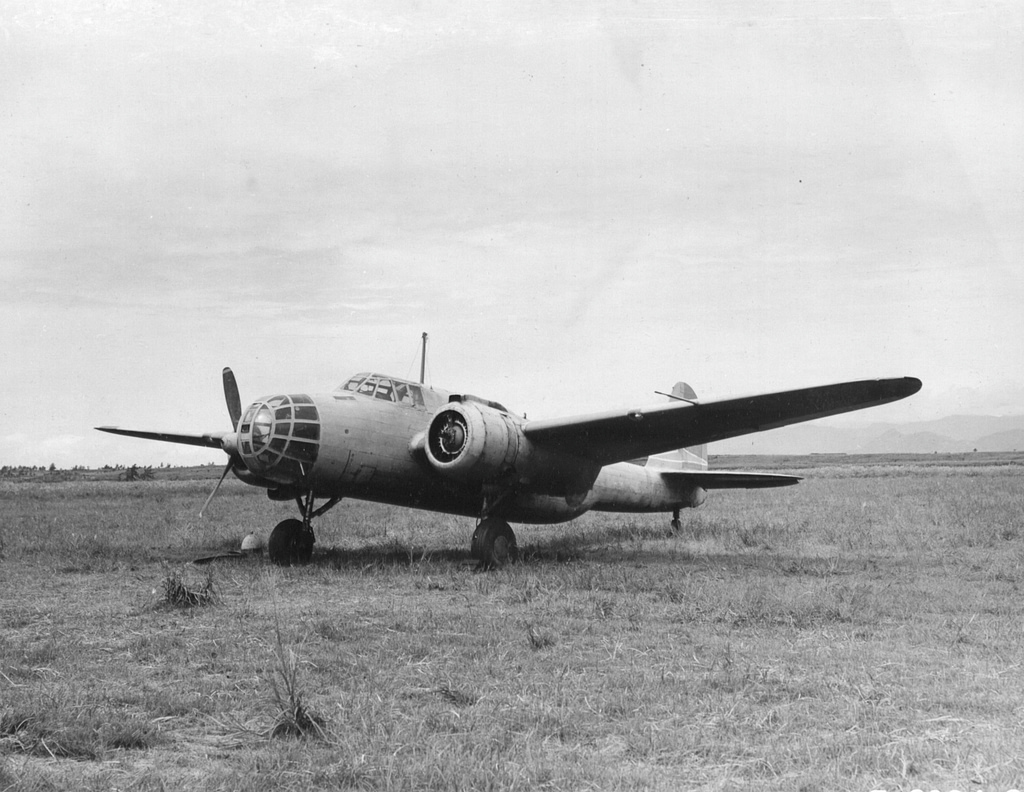
The result, the Ki-48, was a clean cantilever mid-wing monoplane with retractable gear and two radial engines. It hit its speed target and, for a year or two, delivered exactly the immunity the Army had wanted. The deeper lesson — that a bomber optimised purely for speed in 1938 would be a slow, fragile target a few years later — would be learned the hard way over Burma and New Guinea.
What made the Ki-48 tick
Speed bought by sacrificing everything else
The Ki-48 was designed around one number: top speed. To reach it, Takeo Doi’s team kept the airframe light and clean and accepted a small bombload (about 300–400 kg on the early model), no armour a no self-sealing fuel tanks. In 1940 that trade looked smart. By 1943, against fighters that could catch it, the same choices made the “Lily” a machine that caught fire when hit.
Two Nakajima radials — and a mid-life power boost
The Ki-48-I used two Nakajima Ha-25 14-cylinder radials of roughly 950–1,000 hp each, good for about 480 km/h. The improved Ki-48-II swapped in the two-stage-supercharged Nakajima Ha-115 of around 1,130 hp, lifting top speed to roughly 505 km/h and raising the ceiling — the same engine family that powered several of Japan’s best-known Army aircraft.
Three rifle-caliber guns for a crew of four
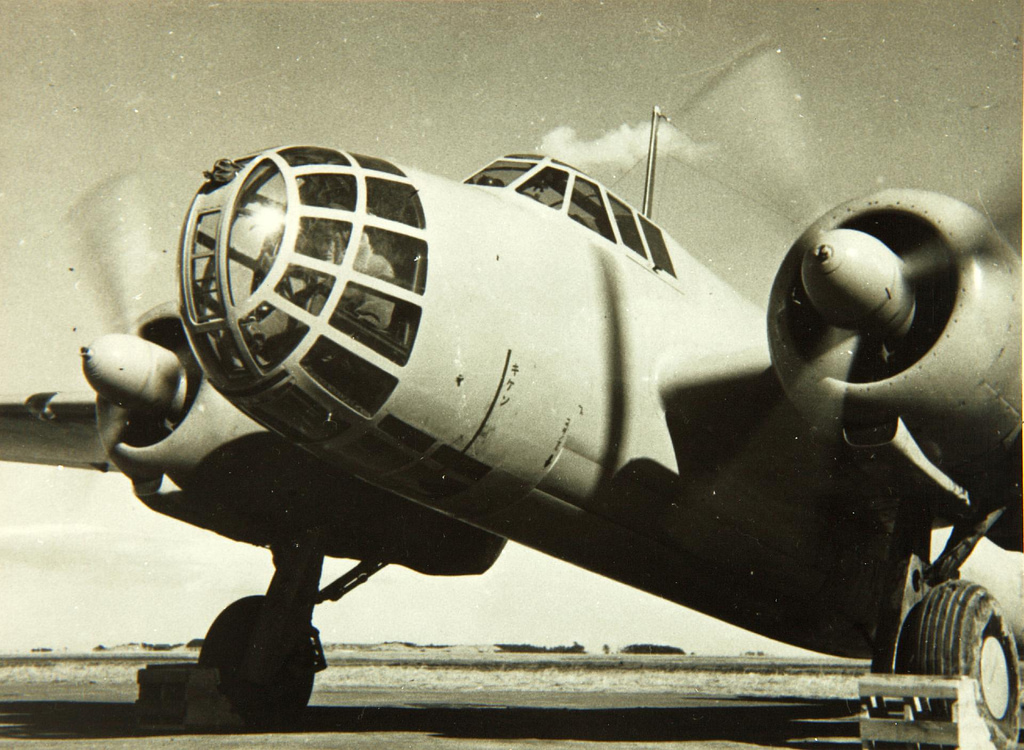
Defence rested on just three 7.7 mm machine guns — nose, dorsal and ventral — hand-aimed by a crew of four. That was adequate against 1930s biplanes and thin opposition; it was hopelessly light against P-38s and Hellcats. Only the late Ki-48-IIc up-gunned the dorsal position to 12.7 mm, and by then the type’s day had passed.
02The Ki-48’s defensive armament: three popguns against modern fighters
Japanese and Western light bombers alike leaned on defensive machine guns to survive interception, but the Ki-48 went to war with the bare minimum: three flexible 7.7 mm Type 89 guns, the same rifle-caliber weapons that had armed 1930s aircraft. Against a diving P-38 Lightning or a Spitfire, three hand-held popguns offered almost nothing, and the unarmoured, unprotected fuel system behind them meant a single burst could be fatal.
The Army knew this. The up-armed Ki-48-IIc substituted a 12.7 mm gun in the dorsal mount, and surviving units increasingly flew at night to avoid interception altogether. But the fundamental problem — a fast-bomber philosophy that had traded away defence for speed — could not be patched out of the airframe.
03The Kawasaki Ki-48-II: more power, a little armour and a dive-bomber that wasn’t quite
Three Ki-48-II prototypes flew in February 1942 and the variant entered production that April. The Ha-115 engines added power and altitude, the structure was strengthened, and — learning from the Pacific — the II finally gained some armour and partial fuel-tank protection and a larger bombload of up to about 800 kg. One sub-type, the Ki-48-IIb, added under-wing dive brakes to turn the level bomber into a dive-bomber, a mid-life role change forced by battlefield reality.
It was a genuinely better aircraft than the Ki-48-I — but “better” was measured against a 1938 design, and the improvements never closed the gap with the fighters now hunting it. Production of the II ran until October 1944.
Full specifications
Figures below are for the improved Ki-48-II, with the earlier Ki-48-I noted where it differs. Many Ki-48 numbers vary between sources — treat weights, range and production totals as well-supported approximations rather than exact values.
Airframe & Performance
- Posádka
- 4 (pilot, bombardier/navigator, radio operator, gunner)
- Délka
- ~12.75 m (Ki-48-I ~12.6 m)
- Rozpětí křídel
- ~17.45 m
- Výška
- ~3.8 m
- Max speed
- ~505 km/h (Ki-48-I ~480 km/h)
- Cestovní rychlost
- ~350 km/h
- Servisní strop
- ~10,100 m
- Rozsah
- ~2,400 km (sources vary; ~2,000 km for Ki-48-I)
- Loaded weight
- ~6,500 kg
- Bombload
- ~400 kg normal, up to ~800 kg max
Propulsion, Armament & Production
- Engines
- 2 × Nakajima Ha-115 radial
- Power (each)
- ~1,130 hp (Ki-48-I: Ha-25, ~950–1,000 hp)
- Defensive armament
- 3 × 7.7 mm MG (IIc: 12.7 mm dorsal)
- Allied name
- “Lily”
- First flight
- July 1939
- Built
- ~1,977 (sources vary ~1,965–1,997), all by Kawasaki
- Production
- 1940–October 1944
- Unit cost
- No reliable public figure exists
- Cost per flight hour
- No reliable public figure exists
04The Kawasaki Ki-48’s cost: why no reliable price exists
There is no dependable public figure for what a Ki-48 cost to buy or to operate. It was a wartime product of Imperial Japan’s state-directed aircraft industry, never sold on an open market, and Japanese wartime procurement costs are poorly documented in Western-accessible sources. No reviewed reference — museum, encyclopedia or specialist history — lists a unit price or a cost-per-flight-hour for the type.
So both the unit-cost and cost-per-flight-hour rows above read “no reliable public figure exists,” and any precise number you see attached to a Ki-48 should be treated with suspicion. This field is kept for consistency with the rest of the encyclopedia, where operating-cost data does exist for later aircraft.
From answer-to-the-SB to obsolete relic
Outrun over China
Soviet-supplied Tupolev SB bombers outpace Japanese fighters over China; in December the Army orders Kawasaki to build a fast light bomber in reply.
Doi starts work
Design begins under Takeo Doi, with speed prioritised over armour and firepower from the outset.
First flight
The prototype flies in July; early tail flutter is cured on the pre-production machines.
Into service over China
Enters service as the Army Type 99 Twin-engined Light Bomber and proves nearly uninterceptable against weak opposition.
The opening offensives
Serves in Malaya, the Philippines and the Dutch East Indies during Japan’s advance across South-East Asia.
The improved Ki-48-II
More powerful Ha-115 engines, some armour, a bigger bombload and a dive-bomber sub-variant enter production.
Caught by the fighters
Over Burma and New Guinea, P-38s and P-40s expose the “Lily’s” thin defences; losses push it toward night operations.
Guided bombs and kamikaze
Declared obsolescent in October 1944; used to test the I-Go radio-guided bomb and an early jet engine, and converted for special-attack ramming missions.
War’s end
Surviving Ki-48s serve to the surrender, including over Okinawa; almost none survive intact today.
Twelve stories about the “Lily”
The bomber born from being outrun
The Soviet Tupolev SB humiliated Japanese fighters over China — so Japan built a whole aircraft to answer it.
Read the full story
Speed over survival — a philosophy that aged badly
Engineers deliberately traded armour, protected tanks and firepower for velocity.
Read the full story
The two-year fall from grace
Nearly uninterceptable in 1940; declared obsolescent by October 1944.
Read the full story
Three popguns against Lightnings
The Ki-48 went to war with the defensive firepower of a 1930s biplane.
Read the full story
From the drawing board of a legend
Chief engineer Takeo Doi also designed the Ki-61 “Tony” and Ki-45 “Nick.”
Read the full story
Japan’s guided-missile experiment rode a Lily
The Ki-48 served as a launch aircraft in trials of the I-Go radio-controlled anti-ship bomb.
Read the full story
An unlikely jet testbed
One Ki-48 was rigged to help test an experimental Japanese jet engine.
Read the full story
The level bomber that learned to dive
The Ki-48-IIb bolted on dive brakes to change the aircraft’s job mid-war.
Read the full story
From bomber to bomb
Late-war Ki-48 conversions carried an explosive charge in the nose for ramming attacks.
Read the full story
Retreating into the dark
Surviving Lilys were pushed into night raids to avoid interception.
Read the full story
The Lily almost no one can see today
Despite roughly 1,977 built, not one complete example survives intact.
Read the full story
Fast for its day, small for its size
Next to Allied light bombers, the Ki-48 carried a strikingly light bombload.
Read the full story
The Ki-48 “Lily” in pictures
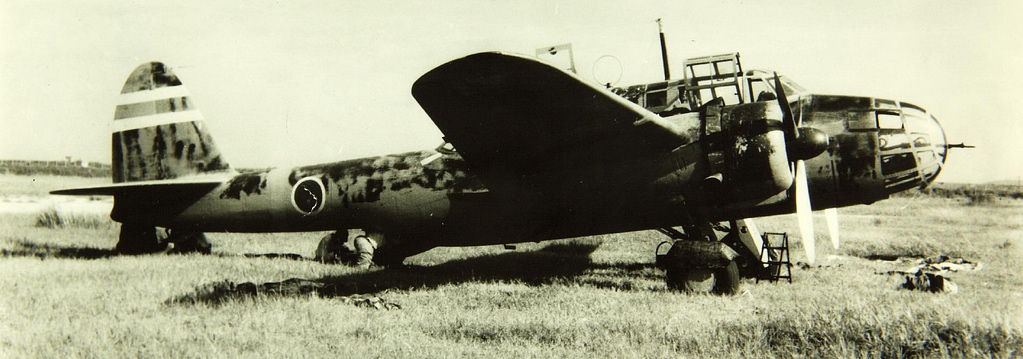
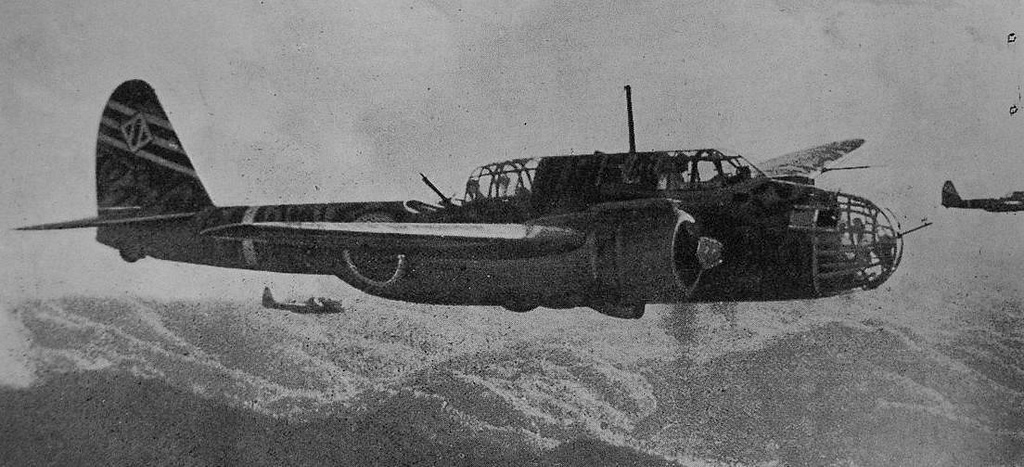
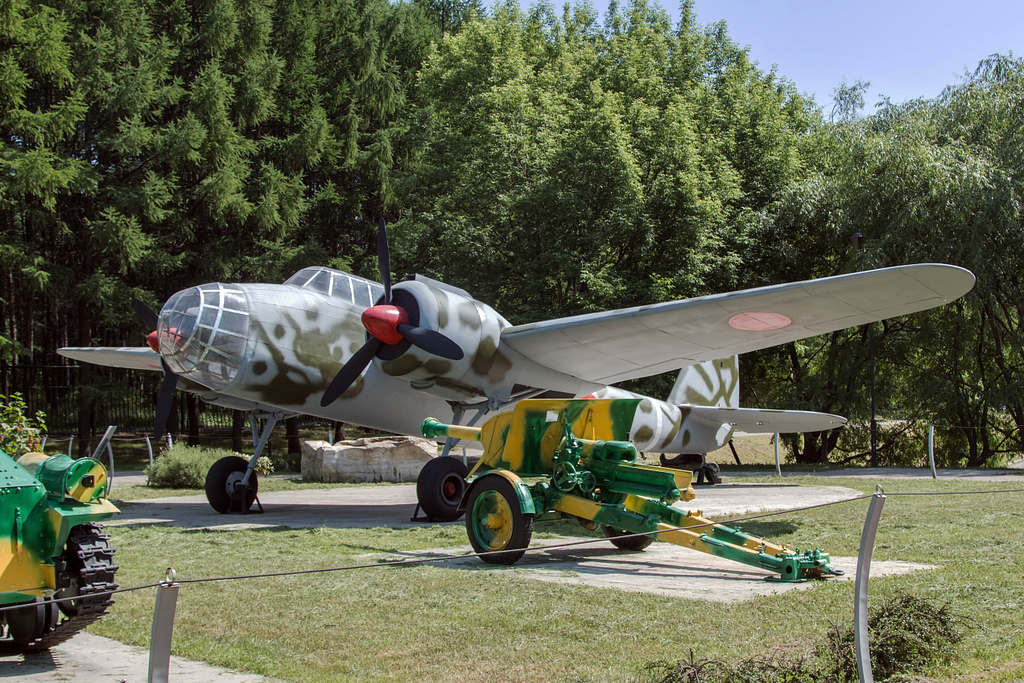
The Ki-48 on film
Rare wartime film of the Kawasaki Ki-48 “Lily” in operation. No high-production documentary is devoted to this obscure type, so we have chosen genuine archival footage over a modern narration — it shows the aircraft as it actually flew.
Where the Ki-48 flew
A record written in speed, then in loss
The Ki-48 has no roll of aerial victories — it was a bomber, and a lightly defended one. Its story is the arc of its own obsolescence: a fast, near-untouchable debut over China, followed by steadily heavier losses as Allied fighters caught up, and a final descent into night raids and special-attack missions. It is best understood not by kills scored but by how quickly a “fast bomber” became a slow target.
Compare the combat record of every military aircraft in our statistics database.
Everything people ask about the Kawasaki Ki-48
Can I fly in a Kawasaki Ki-48?
What was the Kawasaki Ki-48?
Why was the Ki-48 built?
How fast was the Kawasaki Ki-48?
Why did the Ki-48 become obsolete so quickly?
How many Ki-48s were built?
Did the Ki-48 have any unusual roles?
Are there any surviving Kawasaki Ki-48s?
You can’t fly the Kawasaki Ki-48.
These, you can.
Some legends only live in museums — others are fuelled and waiting. MiGFlug has put civilians in real military jet cockpits since 2004.
 Fly the L-39 AlbatrosThe world’s most-flown jet trainer — aerobatics included
 Fly the F-104 Starfighter“The missile with a man in it”
 Fly the MiG-21The Cold War’s most-produced jet
 Leťte s T-33 Shooting StarAmerica’s first jet trainer
 Fly the DH VampireA piece of early jet history
 Fly the S.211Agile Italian jet trainer
 Fly the MB-326The classic Aermacchi jet
 Fly the MiG-15The Soviet legend of the Korean War
Continue the tour
Every fact, checked
- History of War — Kawasaki Ki-48Development, variant-by-variant detail and production figures.
- Military Factory — Kawasaki Ki-48 (Lily)Specification sheet and a production total (~1,997).
- Pacific Wrecks — Ki-48 indexIndividual airframes, wreck sites, wartime captures and the Indonesian survivor.
- Pacific Wrecks — Ki-48 technical informationEngines, dimensions, armament and production notes.
- Pacific War Online Encyclopedia — Ki-48 “Lily”Concise sourced specifications and service history (~1,977 built).
- Pacific Eagles — Kawasaki Ki-48 Type 99 “Lily”Narrative history of the design and its combat career.
- Aeropedia — Kawasaki Ki-48 LilyEncyclopedic overview used as a cross-check.
- Japanese Aircraft of WWII — Kawasaki Ki-48Design lineage (Takeo Doi), variants and the guided-bomb and testbed programmes.