
The strong, superbly agile Italian biplane that dominated the dogfights of the Spanish Civil War — and, in doing so, helped convince Italy that the age of the fighting biplane was not yet over.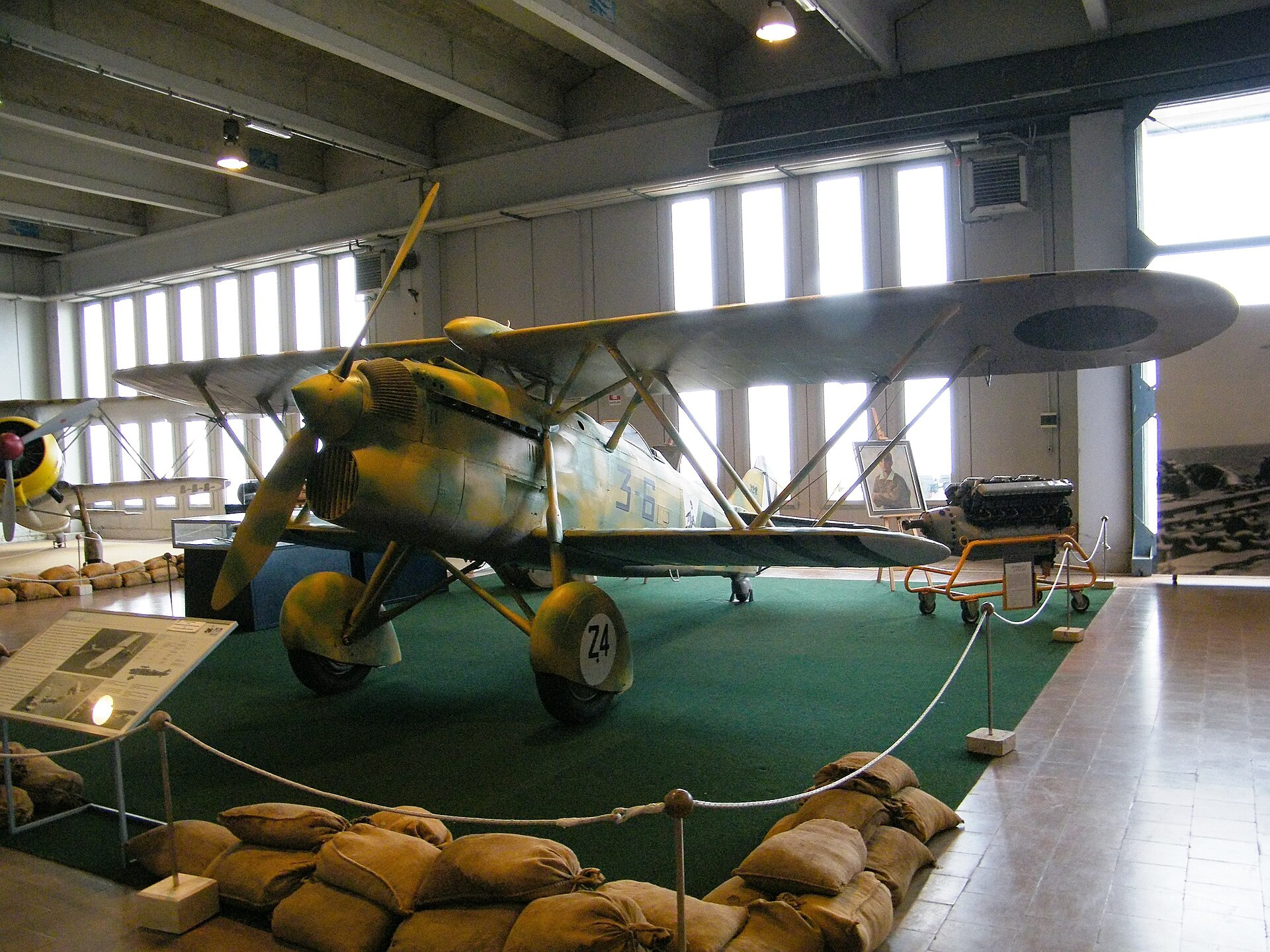
Fiat CR.32
King of the Spanish skies
The Fiat CR.32: the biplane that ruled the Spanish skies
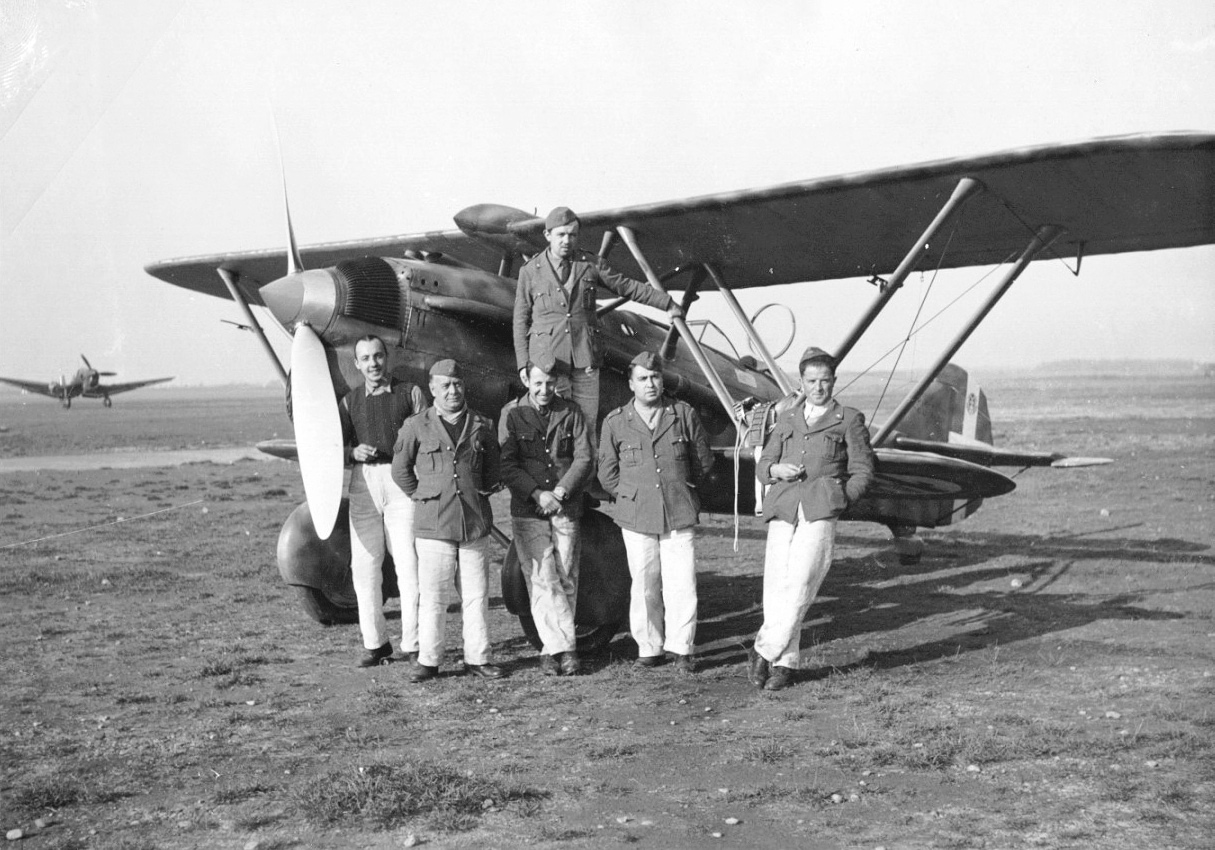
In the early 1930s, while the world’s air forces were still arguing about whether the future belonged to the biplane or the monoplane, Fiat’s chief designer Celestino Rosatelli produced what many consider the finest biplane fighter ever built. The CR.32, first flown in 1933, was compact, immensely strong and delightful to fly — a taut little sesquiplane that seemed to turn on a wingtip.
It was a refinement of Rosatelli’s earlier CR.30, built around a Fiat A.30 V12 of around 600 horsepower and armed, in its definitive form, with a pair of hard-hitting Breda-SAFAT machine guns. On paper it was unremarkable; in the air it was a thoroughbred, and the Regia Aeronautica’s display pilots made it famous across Europe with tight, immaculate aerobatics.
Its real fame, though, was won in war. When the Spanish Civil War broke out in 1936, Italy sent CR.32s and their pilots to fight for the Nationalists as the Aviazione Legionaria. Over Spain the little Fiat met the Soviet-supplied Polikarpov I-15 biplane and the fast I-16 monoplane — and, in the swirling low-level dogfights that characterised that war, it more than held its own. Flown well, the CR.32 was strong enough to take punishment, agile enough to out-turn almost anything, and reliable enough to fight day after day.
It produced aces. The leading Nationalist pilot, Joaquín García-Morato, scored the majority of his roughly 40 victories on the type, and Italian and Spanish pilots alike came to trust the Fiat completely. By the end of the war the CR.32 had become, in reputation, the master of the Spanish skies.
Therein lay a trap. The CR.32’s success arguably taught Italy the wrong lesson. It seemed to prove that a nimble biplane dogfighter still had a place in modern air combat — a conclusion that helped justify sending its biplane successor, the CR.42 Falco, into the Second World War, just as fast, heavily armed monoplanes were rendering such aircraft obsolete.
By 1940 the CR.32 itself was plainly out of date. Yet it fought on in the war’s opening rounds — in East Africa, over the Western Desert of North Africa and in the mountains of the Greek front — flying secondary fighter, ground-attack and night sorties until at last it was withdrawn. A few survive in museums today; none is airworthy. The CR.32 remains one of history’s great biplane fighters, and a cautionary tale about winning the last war too well.
01The Fiat CR.32 and the biplane-versus-monoplane debate of the 1930s
When the CR.32 first flew in 1933, the fighter world was genuinely divided. Monoplanes promised speed, but early examples were tricky to fly and their structures were still unproven; biplanes offered agility, strength and docile handling that pilots and air staffs trusted. The CR.32 was the biplane school’s finest argument — fast enough for its day, phenomenally manoeuvrable and rugged.
What tipped the balance was combat experience — and here the CR.32’s own record proved double-edged. Its dominance over Spain was read by many in Italy as proof that the agile dogfighter still ruled. Others, watching the fast Polikarpov I-16 dive in, fire and climb away at will, drew the opposite conclusion. Both were, in a sense, looking at the same aircraft. This debate is why the CR.32 matters far beyond its own service record.
02How good was the Fiat CR.32 really? Reading the Spanish Civil War record honestly
The CR.32’s reputation as the “king” of the Spanish air war is well earned but needs care. Nationalist and Italian claims from that chaotic, poorly documented conflict are difficult to reconcile with Republican records, and victory tallies from the 1930s should be treated as approximate. What is not in doubt is that the type was strong, dependable and superbly agile, and that in skilled hands it was a genuinely dangerous opponent that could out-turn the I-15 and frustrate the faster I-16.
Its weaknesses were equally real: it was slow by the standards of the coming decade and lightly armed with just two machine guns. The honest verdict is that the CR.32 was probably the best of the late biplane fighters — and that being the best of a type the future was leaving behind is a limited kind of triumph.
How Fiat and Rosatelli built the perfect biplane fighter
A jewel of a sesquiplane
The CR.32 was a sesquiplane — its lower wing markedly smaller than the upper — built on a Warren-truss interplane strut arrangement that needed few bracing wires. The result was a compact, immensely strong airframe with light, beautifully harmonised controls that made it a natural dogfighter and a favourite of display pilots.
The Fiat A.30 V12
Power came from a Fiat A.30 RA liquid-cooled V12 of roughly 600 hp — modest, but smooth and reliable. It gave the CR.32 a top speed of about 360 km/h and, more importantly, the responsiveness and climb that a turning fight demanded. It was never fast, but it was always willing.
Breda-SAFAT guns
The definitive CR.32 carried two synchronised Breda-SAFAT machine guns — usually a pair of hard-hitting 12.7 mm weapons, though 7.7 mm guns and mixed fits were also used. Adequate against the lightly built aircraft of the mid-1930s, this modest battery would become a serious handicap against the armoured monoplanes of the next war.
03The Fiat CR.32’s agility: why pilots loved it and enemies feared the turn
Almost every account of the CR.32, friend or foe, returns to the same word: agility. The aircraft could enter and hold an extraordinarily tight turn, reverse quickly, and remain controllable to the edge of a stall. For a well-trained pilot that meant a defensive fight was rarely hopeless — a CR.32 that could not out-run an attacker could very often out-turn it, forcing the faster aircraft to overshoot.
The catch, already visible over Spain, was that a faster monoplane did not have to accept the turning fight. It could dive in from above, fire, and zoom-climb back out of reach, choosing when to engage. The CR.32 was the master of a game its newest opponents could simply decline to play — the central dilemma of every agile biplane in the monoplane age.
Fiat CR.32 — by the numbers
Airframe & performance
- Multitud
- 1
- Longitud
- ~7.45 m (24 ft 5 in)
- Wingspan (upper)
- ~9.50 m (31 ft 2 in)
- Peso vacío
- ~1,325 kg (2,921 lb)
- Max takeoff weight
- ~1,915 kg (4,222 lb)
- Max speed
- ~360 km/h (~224 mph) — estimate
- Techo de servicio
- ~7,700 m (~25,300 ft)
- Rango
- ~780 km (~485 mi)
Powerplant, armament & programme
- Motor
- Fiat A.30 RA V12, ~600 hp
- Armamento
- 2 × Breda-SAFAT MGs (typically 2 × 12.7 mm; 7.7 mm on some)
- First flight
- 28 April 1933
- Built
- ~1,200 (figures vary; 1933–1939)
- Operators
- Italy; also Spain, Hungary, Austria, China, Venezuela, Paraguay
- Cost per flight hour
- Not reliably recorded (1930s)
- Variants
- CR.32, CR.32bis, CR.32ter, CR.32quater; Hispano HA-132 Chirri
04The Fiat CR.32’s operating costs: why the numbers are lost
Unlike modern jets, the CR.32 left almost no reliable cost-per-flight-hour record. It was a mid-1930s design produced in an era before such figures were tracked or published in the way they are today, and its operators — Fascist Italy, Nationalist Spain and a scattering of export customers — kept records that were incomplete then and are fragmentary now. Any specific hourly cost quoted for a CR.32 should be treated with suspicion.
What can be said is that the CR.32 was, by design, a relatively cheap and simple aircraft: a modest V12, a rugged airframe and light armament. That affordability was part of its appeal to smaller air forces and is one reason roughly 1,200 were built and the type was licence-produced in Spain long after Italy had moved on.
05A family of Chirri: the CR.32bis, ter and quater
The CR.32 evolved through several sub-types. The CR.32bis added two more machine guns in the lower wing and provision for light bombs, at some cost in agility; the CR.32ter y CR.32quater refined the equipment and lightened the aircraft again, the quater becoming the definitive single-seat fighter version. Spain’s licence-built machines, nicknamed “Chirri”, served long after 1939. Performance and armament varied between versions and sources; the figures above describe a representative CR.32.
From Turin drawing board to the last biplane wars
First flight
Celestino Rosatelli’s CR.32 makes its maiden flight on 28 April 1933, developed from the earlier CR.30. It enters Regia Aeronautica service the following year.
King of the Spanish skies
Italian Aviazione Legionaria and Spanish Nationalist CR.32s fight Republican I-15s and I-16s over Spain, winning a formidable reputation and producing aces such as Joaquín García-Morato.
Exported and licence-built
The CR.32 is sold to Hungary, Austria, China, Venezuela and Paraguay, and built under licence in Spain as the Hispano-Aviación HA-132 “Chirri”.
Obsolete, but still fighting
By Italy’s June 1940 entry into the Second World War the CR.32 is outdated, yet it flies front-line and secondary sorties in East Africa, North Africa, the Mediterranean and against Greece.
Second-line and night work
Outclassed by monoplanes, surviving CR.32s shift to ground attack, training and night duties before being withdrawn from combat.
Survivors and the Chirri
Spanish-built Chirris serve into the post-war years. A handful of CR.32s survive as museum exhibits — among them an example at the Italian Air Force Museum at Vigna di Valle — but none remains airworthy.
Twelve chapters in the Fiat CR.32’s story
The finest fighting biplane
Many historians rate the CR.32 the best biplane fighter ever built — the high-water mark of a design tradition.
The full story
King of the Spanish skies
Over Spain the CR.32 met the Soviet-built I-15 and I-16 — and in the dogfight it more than held its own.
The full story
García-Morato’s Fiat
The top Nationalist ace scored most of his roughly 40 victories flying the CR.32.
The full story
A victory that misled
The CR.32’s Spanish triumph helped convince Italy that the agile biplane still had a future.
The full story
Biplane versus monoplane
Against the fast Polikarpov I-16, the CR.32 faced a preview of the future.
The full story
The pride of the Regia Aeronautica
Before the wars, CR.32s dazzled European crowds with immaculate formation aerobatics.
The full story
The forgotten campaign
In the highlands of Italian East Africa the obsolete CR.32 fought on into 1941.
The full story
Ground attack over the sands
In North Africa the CR.32 traded the dogfight for the strafing run.
The full story
War in the mountains
CR.32s flew from Albania against Greece in the winter of 1940–41.
The full story
Spain builds its own
Spain liked the CR.32 so much it built the type under licence as the “Chirri”.
The full story
A biplane abroad
From Central Europe to South America, the CR.32 found foreign buyers.
The full story
Where to see a CR.32 today
For a fighter built by the thousand, remarkably few CR.32s survive.
The full story
The Fiat CR.32 in pictures
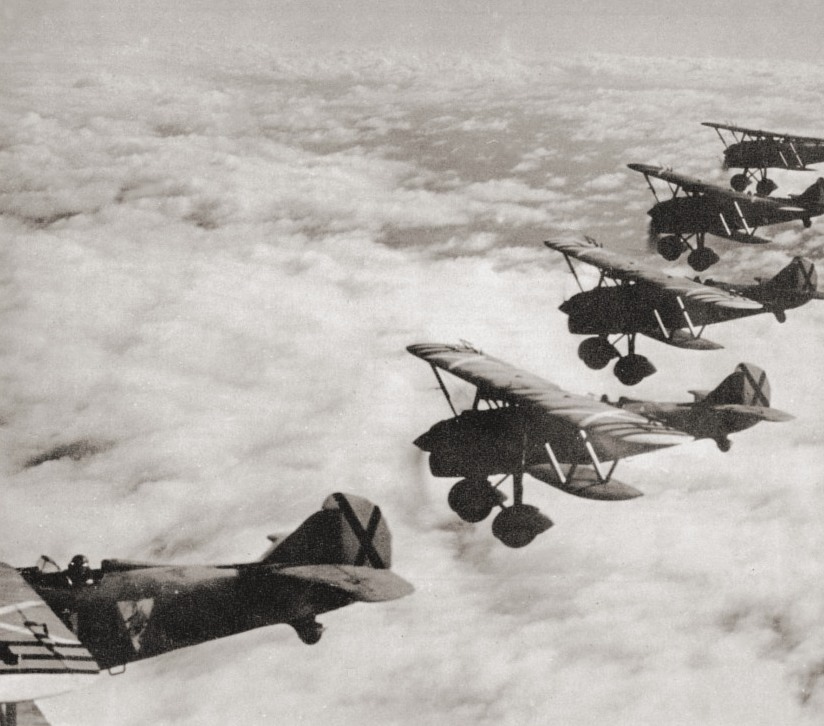
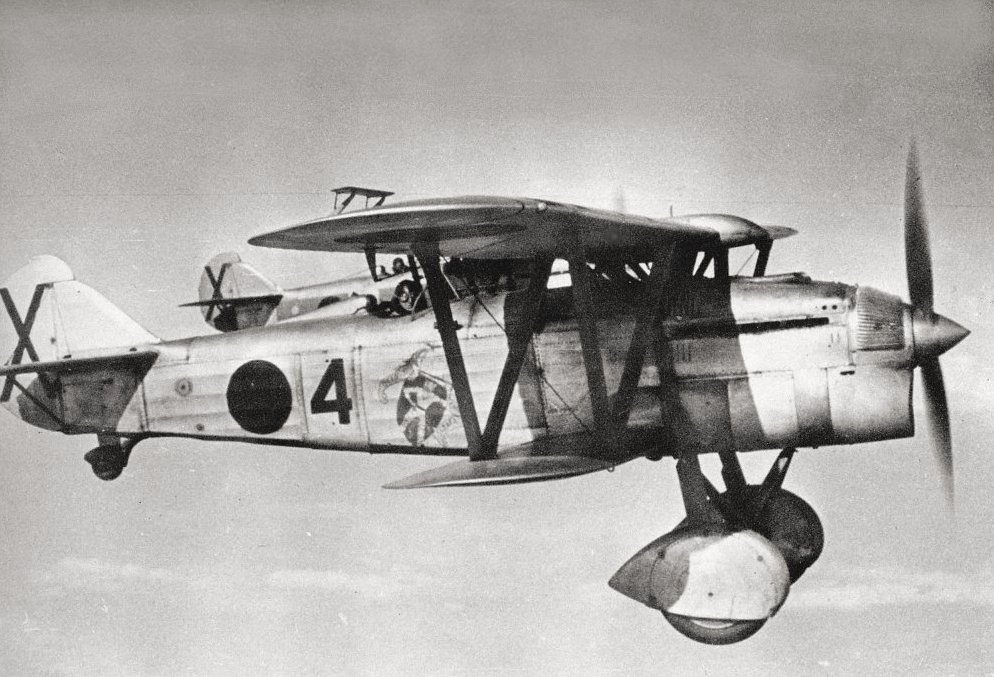
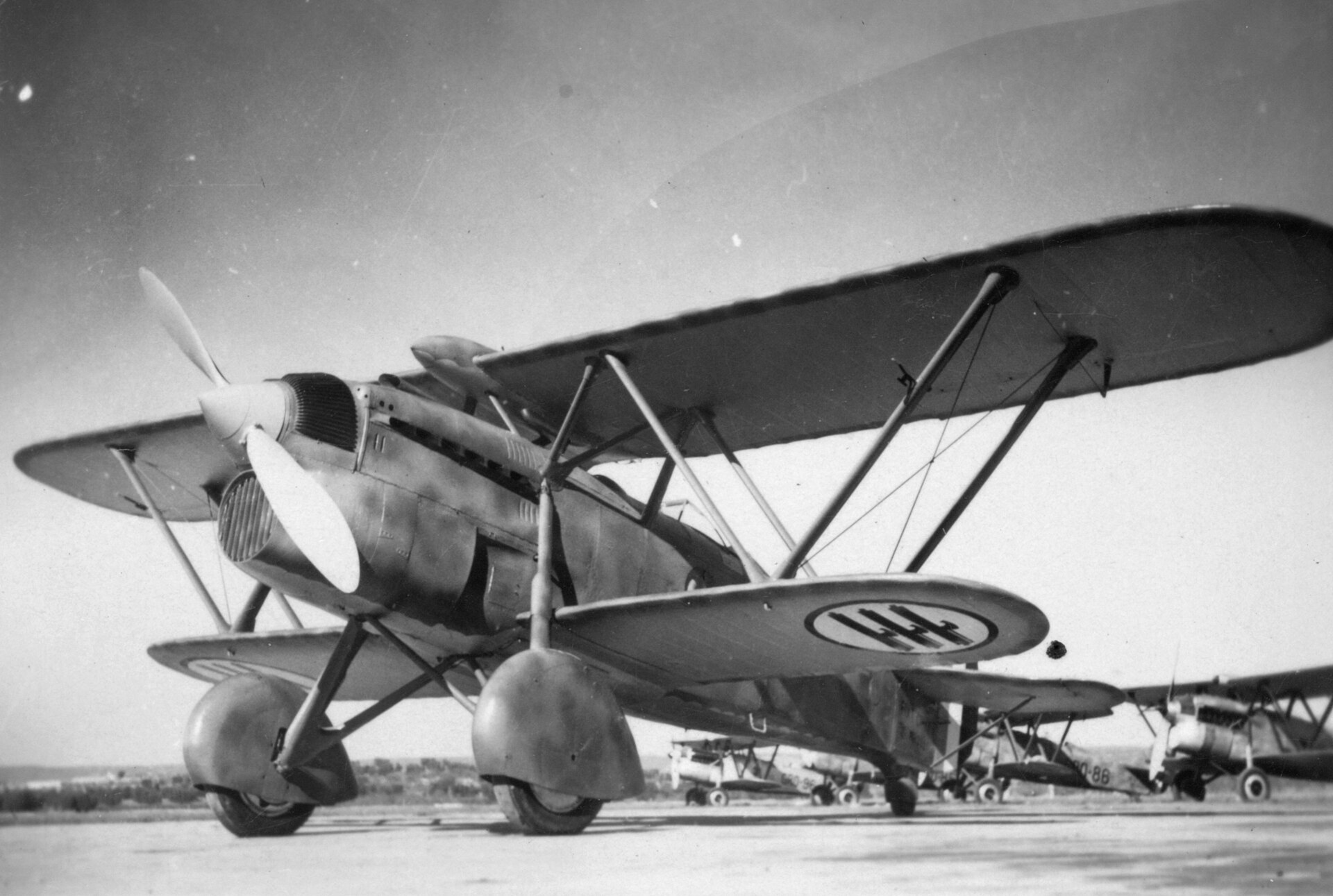
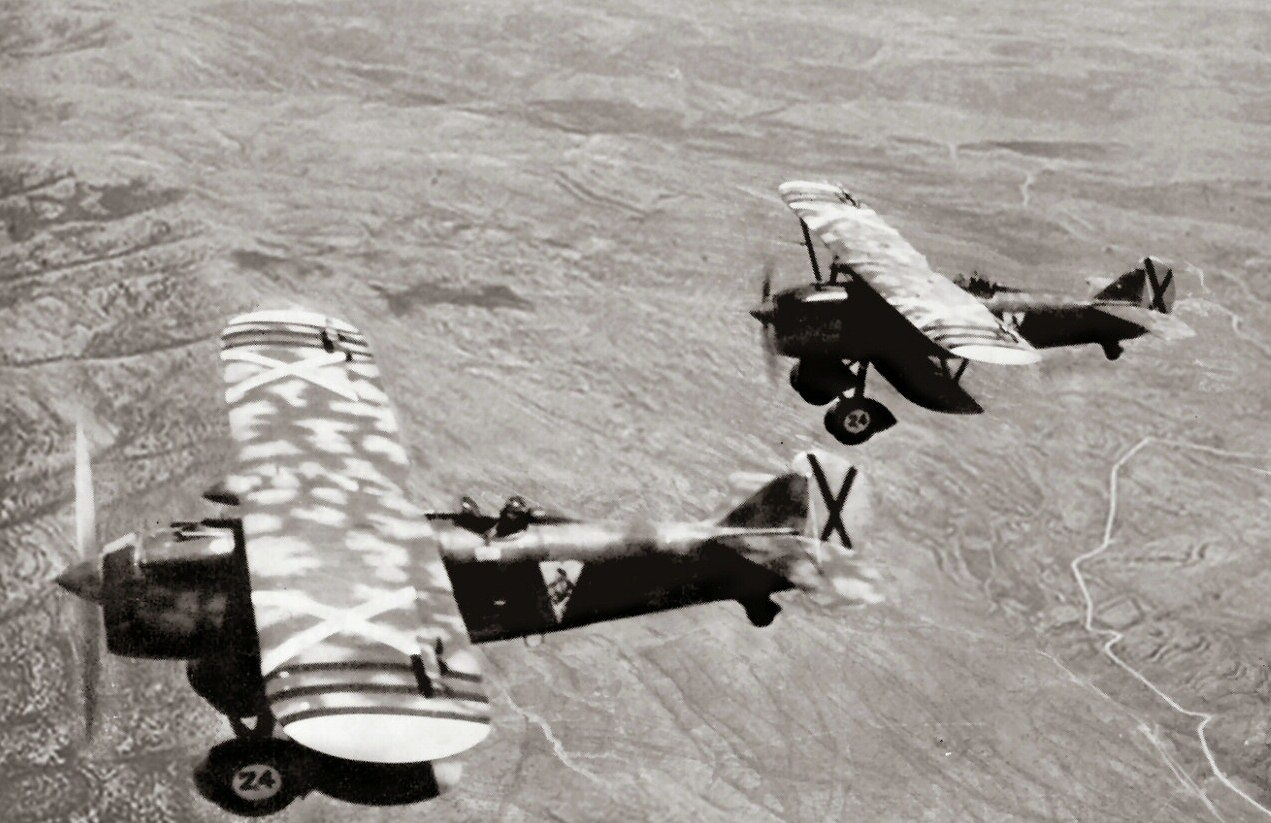
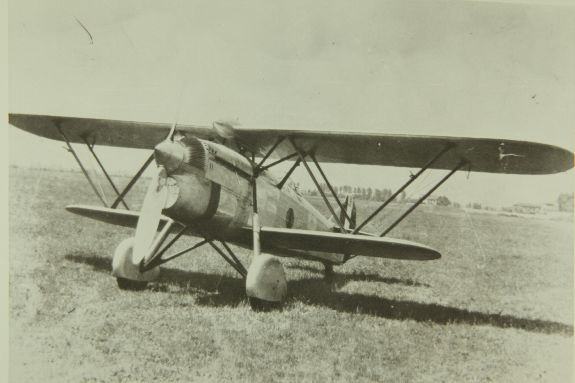
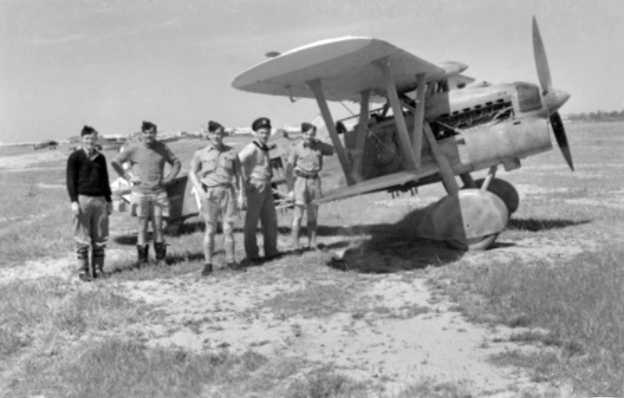
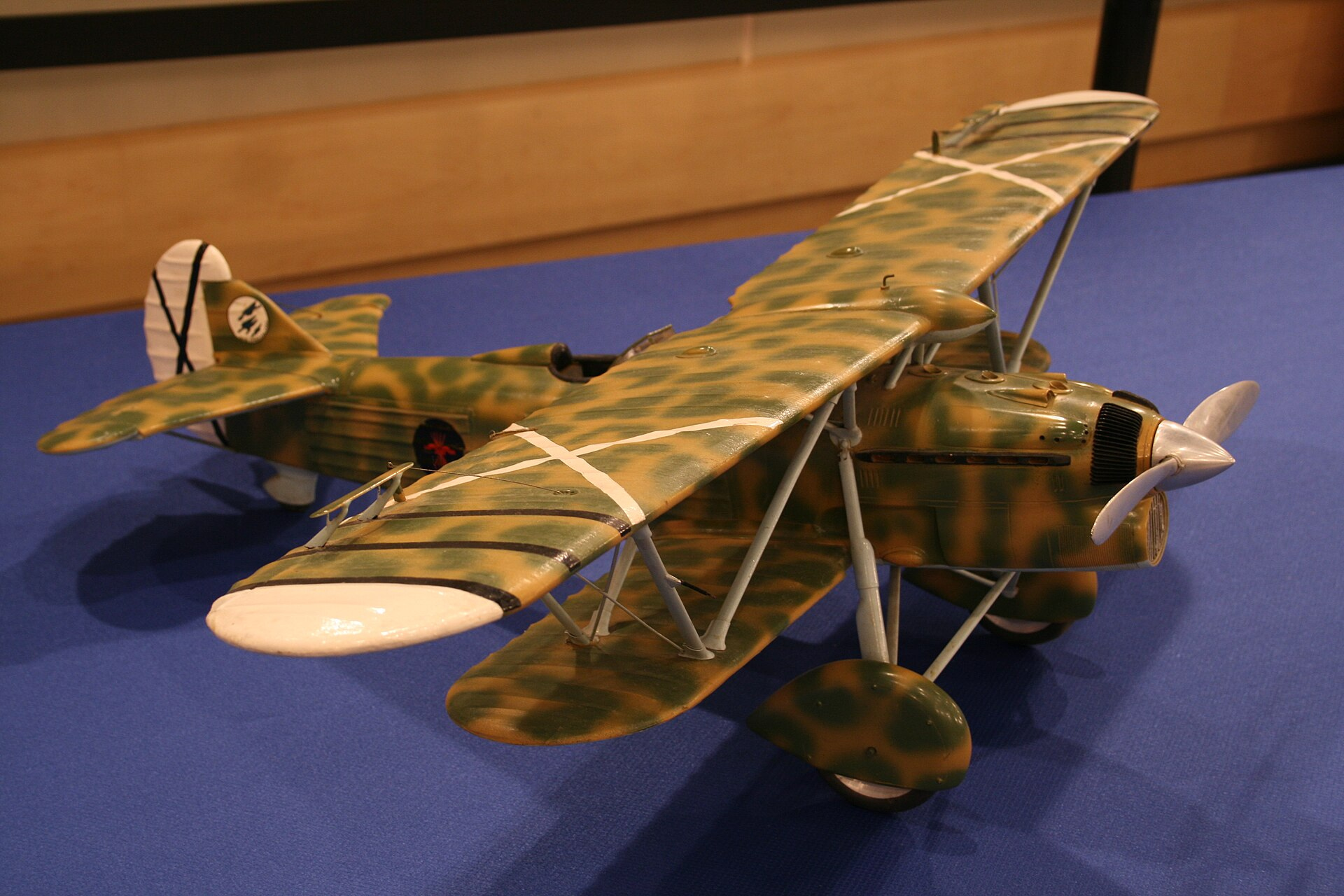
See the Fiat CR.32 in context
Why did a biplane become the star fighter of the Spanish Civil War — and what did that success cost Italy later? This detailed history follows the CR.32 from Rosatelli’s drawing board to the dogfights over Spain and its twilight service in the Second World War.
Video: “King Of The Skies In The Spanish Civil War | Fiat CR.32” by Rex’s Hangar (~173,000 views). Embedded via YouTube.
Where the Fiat CR.32 flew and fought
From its home plants in Turin the CR.32 spread across three continents: it made its name over Spain, soldiered on in Italy’s East and North African campaigns, and was exported and licence-built from Central Europe to South America. Hover or tap a country to see its part in the Chirri’s story.
Combat theatres mark where the CR.32 saw action, not the nationality of its pilots. Operator and fleet figures are approximate and vary between sources.
The Fiat CR.32, by the numbers
The CR.32’s record is dominated by a single conflict. Over Spain it was, by reputation, the outstanding fighter of the war; everywhere afterwards it was a brave anachronism. The figures below capture its scale and its most famous exploits rather than a precise, verified tally — air-war claims from the 1930s are notoriously hard to reconcile between sources.
Victory claims from the Spanish Civil War and the early Second World War vary widely between Italian, Spanish, Republican and British records; the figures above should be read as indicative of the type’s scale and reputation, not as a definitive score.
06Fiat CR.32 versus Polikarpov I-16: the dogfight that previewed the Second World War
The defining match-up of the Spanish air war pitted the CR.32 against the Soviet-built Polikarpov I-16 — and it is one of the most instructive fighter duels in history. The Fiat was a biplane: slower in level flight and in the dive, but able to turn inside almost anything. The I-16 was a stubby, fast monoplane that accelerated, dived and zoom-climbed far better than the CR.32 but could not match its turn.
The result depended entirely on who dictated the fight. A CR.32 pilot who could drag the I-16 into a turning battle often won; an I-16 pilot who used speed to make slashing dive-and-zoom attacks, refusing to circle, could fight on his own terms and escape. Neither aircraft was simply “better”. But the trend was unmistakable to anyone willing to see it: the fast monoplane chose the terms of combat, and in the next war that advantage would prove decisive. The CR.32 won many of these fights and still, in a deeper sense, lost the argument.
07Fiat CR.32 exports and the Hispano “Chirri”: a biplane fighter for smaller air forces
Few interwar fighters travelled as widely as the CR.32. Hungary and Austria bought it for their expanding air arms; China acquired a small batch that saw combat in the opening phase of the war with Japan; and in South America both Venezuela and Paraguay operated the type. For a smaller air force the appeal was obvious — the CR.32 was cheap, tough, forgiving to fly and combat-proven, exactly the qualities a limited budget rewarded.
Spain took the relationship furthest of all. Having flown the CR.32 to fame in its civil war, Spain built the aircraft under licence as the Hispano-Aviación HA-132 “Chirri”, and these machines served the Spanish air arm for years after 1939. Exact export and licence totals vary between sources, but the breadth of the CR.32’s foreign service is a measure of how good a light biplane fighter it was — and of how reluctant the world was to let the type go.
08The Fiat CR.32’s legacy: the finest biplane fighter and a lesson in timing
The CR.32’s place in history is oddly paradoxical. Judged purely as a biplane fighter it is one of the greats — arguably the finest of its kind, and certainly the most successful in combat, with a record over Spain that few rivals can match. Yet it is remembered almost as often as a cautionary tale: proof that an aircraft can win its war so convincingly that it teaches its makers the wrong thing.
Both readings are fair, and together they are why the CR.32 still repays study. It sits exactly on the hinge between two eras of air combat — the last, best expression of the agile biplane, flying into a decade that belonged to the fast monoplane. To understand why Italy took a biplane, the CR.42, to war in 1940 is to understand the CR.32 first. In that sense the little Fiat’s influence outlived its own front-line career by years, and its shadow falls across the whole story of Italian fighter aviation in the Second World War.
Fiat CR.32 — questions & answers
Can I fly in a Fiat CR.32?
No. Only a handful of Fiat CR.32s survive, all as static museum exhibits — there is no airworthy original and no company offers flights in one. However, you can fly in several genuine military jets today with an experienced fighter pilot beside you. See what’s bookable at migflug.com/flights-prices.
Why was the Fiat CR.32 so successful in the Spanish Civil War?
In the hands of skilled Italian and Spanish Nationalist pilots the CR.32 was strong, superbly agile and reliable, and it excelled in the tight-turning dogfights that dominated the Spanish air war of 1936–39. It fought Republican Polikarpov I-15 and I-16 fighters and produced leading aces such as Joaquín García-Morato. Its reputation as the “king” of the Spanish skies is well earned, though victory claims from that war are hard to verify precisely.
Did the CR.32 mislead Italian fighter doctrine?
Many historians argue that it did. The CR.32’s dominance in Spain seemed to prove that an agile biplane dogfighter was still viable, which encouraged the Regia Aeronautica to field the biplane Fiat CR.42 into the Second World War just as fast monoplane fighters were taking over. It is a widely cited example of the right lesson learned from the wrong war — though Italy’s limited supply of powerful inline engines also played a part.
Was the Fiat CR.32 obsolete by the Second World War?
Yes. By 1940 the CR.32 was outclassed by modern monoplanes, but it still served in secondary and ground-attack roles in East Africa, North Africa and the Mediterranean before being withdrawn from front-line use. Its biplane successor, the CR.42, carried the same idea a few years further — with the same result.
How many Fiat CR.32s were built and who used them?
Roughly 1,200 were built, though figures vary between sources. Besides Italy, the type was exported to Hungary, Austria, China, Venezuela and Paraguay, and it was built under licence in Spain as the Hispano-Aviación HA-132 “Chirri”, which served for years after the Spanish Civil War.
You can’t fly a CR.32 — but you can fly a fighter jet
The CR.32’s war belongs to history, and no airworthy example survives. But the thrill of flying a real fighter does not. With MiGFlug you can strap into a genuine jet — from the L-39 Albatros to a MiG-29 at the edge of space — with an experienced fighter pilot beside you.
 Fly the L-39 AlbatrosThe world’s most-flown jet trainer — aerobatics included
 Fly the F-104 Starfighter“The missile with a man in it”
 Fly the MiG-21The Cold War’s most-produced jet
 Vuela el T-33 Shooting StarAmerica’s first jet trainer
 Fly the DH VampireA piece of early jet history
 Fly the S.211Agile Italian jet trainer
 Fly the MB-326The classic Aermacchi jet
 Fly the MiG-15The Soviet legend of the Korean War
Related aircraft
Where these facts come from
- Italian Air Force — Aeronautica MilitareMuseum & heritage of the Regia Aeronautica
- Key.AeroAviation history & the interwar Fiat fighters
- Imperial War MuseumsThe air war in Spain and the Mediterranean
- Smithsonian National Air and Space MuseumInterwar fighter development
- San Diego Air & Space MuseumArchive photography of the CR.32
- MiGFlug — AfterburnerMiGFlug’s own aviation magazine
Figures are drawn from museum and reference sources and cross-checked; where sources differ, the most commonly cited value is given, and estimates are flagged. Performance and armament varied between the CR.32’s sub-types and between individual aircraft.