
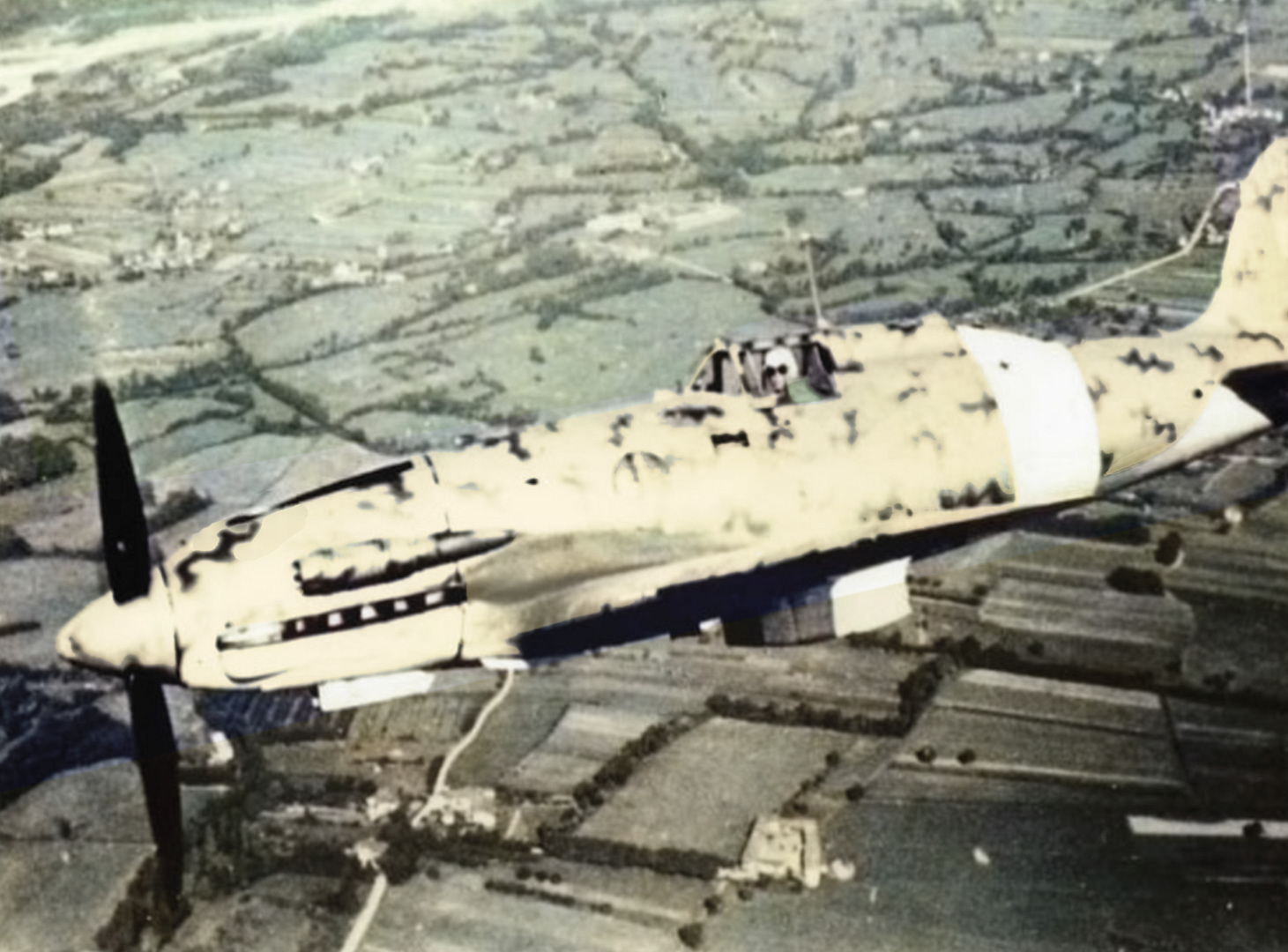
C.202 Folgore
Italy’s elegant desert fighter
A German engine in an Italian racing airframe — the Folgore (“Thunderbolt”) was the finest fighter Italy fielded in numbers, agile enough to out-turn a Spitfire, but hobbled by a feeble pair of guns.
The Folgore: a racer’s airframe and a German heart
Italy entered the war with fighters that were nimble but slow — open-cockpit biplanes and stubby radial-engined monoplanes like Macchi’s own C.200 Saetta, which handled beautifully but simply could not keep up with modern opponents. The problem was the engine: Italy had no home-grown inline engine to match the German and British V-12s.
Macchi’s answer was elegant. The designer Mario Castoldi — the man behind Italy’s record-breaking Schneider Trophy seaplane racers — took the sound wings and structure of the C.200 and married them to a slim new fuselage built around a licence-produced German Daimler-Benz DB 601 engine. The transformation was dramatic: the C.202 Folgore was one of the best fighters of its generation.
That German V-12, built in Italy by Alfa Romeo as the RA.1000 Monsone, gave the Folgore the speed and high-altitude reach its radial-engined predecessors lacked. Combined with Castoldi’s aerodynamic craftsmanship, it produced an aircraft that pilots adored — light, responsive and a delight to fly.
In the air the Folgore could out-turn the Spitfire Mk V, the Hawker Hurricane and the Curtiss P-40. But it carried a crippling handicap: just two 12.7 mm machine guns in the nose, sometimes with two rifle-calibre guns in the wings. Against armoured, self-sealing Allied fighters that was far too little firepower — the one great flaw in an otherwise superb design.
From 1941 the Folgore fought hardest where Italy needed it most: over besieged Malta, across the North African desert, over Sicily, and briefly on the Eastern Front. In the hands of a good pilot it was formidable — in mid-1942 Folgore units in North Africa posted a kill-to-loss ratio that stood comparison with the vaunted Messerschmitt Bf 109.
Some 1,106 Folgores were built, making it the most important Italian fighter of the war and one respected by every enemy who met it. Its successor, the faster and properly-armed C.205 Veltro, finally fixed the firepower problem — but arrived too late and in too few numbers to change the outcome. Two Folgores survive today.
01Why the Folgore mattered: the right airframe, the wrong armament
The Folgore is one of the war’s great “what ifs.” Aerodynamically and in handling it was the equal of the fighters it faced, and in a turning fight it was often the better aircraft. Its engine — a German design built under licence — gave it genuinely competitive performance.
What it never had was firepower. Two heavy machine guns were adequate in 1940 but hopeless against the armoured fighters and bombers of 1942–43. The Folgore’s story is a lesson in how a single design decision can hold back an otherwise excellent aircraft — and why its better-armed successor, the C.205 Veltro, is remembered as what the Folgore could have been.
How Macchi built Italy’s best wartime fighter
The engine transplant
Italy’s fighters were held back by their engines. Macchi’s solution was to fit a German Daimler-Benz DB 601 — a modern liquid-cooled V-12 — built under licence by Alfa Romeo as the RA.1000 Monsone. Dropped into a slim new fuselage on the proven C.200 wing, it transformed a mediocre fighter into a first-rate one.
A racer’s aerodynamics
Designer Mario Castoldi had created Italy’s record-breaking Schneider Trophy seaplane racers, and that pedigree shows. The Folgore was aerodynamically clean and beautifully balanced, giving it handling that pilots on both sides praised — light, responsive and forgiving.
The firepower flaw
For all its grace, the Folgore was badly under-gunned: just two 12.7 mm machine guns in the nose, with at most two rifle-calibre guns in the wings. It was enough to down an unprotected aircraft, but far too little against the armoured, self-sealing fighters and bombers it faced from 1942 on.
02Out-turning the Spitfire
In a turning fight the Folgore was often the superior aircraft. Italian pilots found they could out-turn the Spitfire Mk V, the Hurricane and the P-40, using the Folgore’s light, precise controls to stay inside an opponent’s circle. What they could not do was capitalise: two machine guns rarely delivered a decisive blow before the chance passed. The Folgore could win the manoeuvre and still lose the fight — a frustration that defined its combat career and drove the development of the better-armed C.205 Veltro.
Macchi C.202 Folgore — by the numbers
Airframe & performance
- Multitud
- 1
- Longitud
- 8.85 m (29 ft 0 in)
- Envergadura
- 10.58 m (34 ft 8 in)
- Peso vacío
- ~2,490 kg (5,490 lb)
- Max takeoff weight
- ~2,930 kg (6,460 lb)
- Max speed
- ~600 km/h (370 mph) at 5,600 m
- Techo de servicio
- ~11,500 m (37,700 ft)
- Rango
- ~765 km (475 mi)
Powerplant, armament & programme
- Motor
- Alfa Romeo RA.1000 RC.41 Monsone (licence DB 601Aa) V-12, ~1,175 hp
- Armamento
- 2 × 12.7 mm Breda-SAFAT (nose) + optional 2 × 7.7 mm (wings)
- First flight
- 10 August 1940
- Built
- 1,106 (1941–1943)
- Operators
- Italy; also Croatia & Germany after 1943
- Cost per flight hour
- Not recorded — retired after the war
- Variants
- developed from C.200 Saetta; succeeded by C.205 Veltro
03From Saetta to Veltro
The Folgore sits in the middle of a family. It began as a re-engined Macchi C.200 Saetta, trading the Saetta’s radial for the inline DB 601. It ended by pointing the way to the Macchi C.205 Veltro, which used a still more powerful engine and added 20 mm cannon to cure the firepower problem. Performance figures vary between production batches and sources; those above are representative of the standard Serie production Folgore.
From the desert war to the armistice
From Saetta to Folgore
Macchi’s radial-engined C.200 is in service, but it lacks speed. Castoldi re-engines it with a licence-built DB 601, and the C.202 Folgore first flies on 10 August 1940.
Into the Mediterranean
The Folgore enters service in July 1941 and is quickly committed to the fighting over Libya and the siege of Malta.
The Folgore’s best year
Over Malta and North Africa the Folgore comes into its own, and in mid-1942 its units post a kill-to-loss ratio that rivals the Bf 109.
Defending Sicily and Italy
As the Allies advance across the Mediterranean, the Folgore is increasingly thrown into the defence of Sicily and the Italian mainland.
The armistice split
After Italy’s surrender, Folgores end up flying on both sides — with the Allied co-belligerent air force and with the German-aligned Italian Social Republic.
Twilight and the Veltro
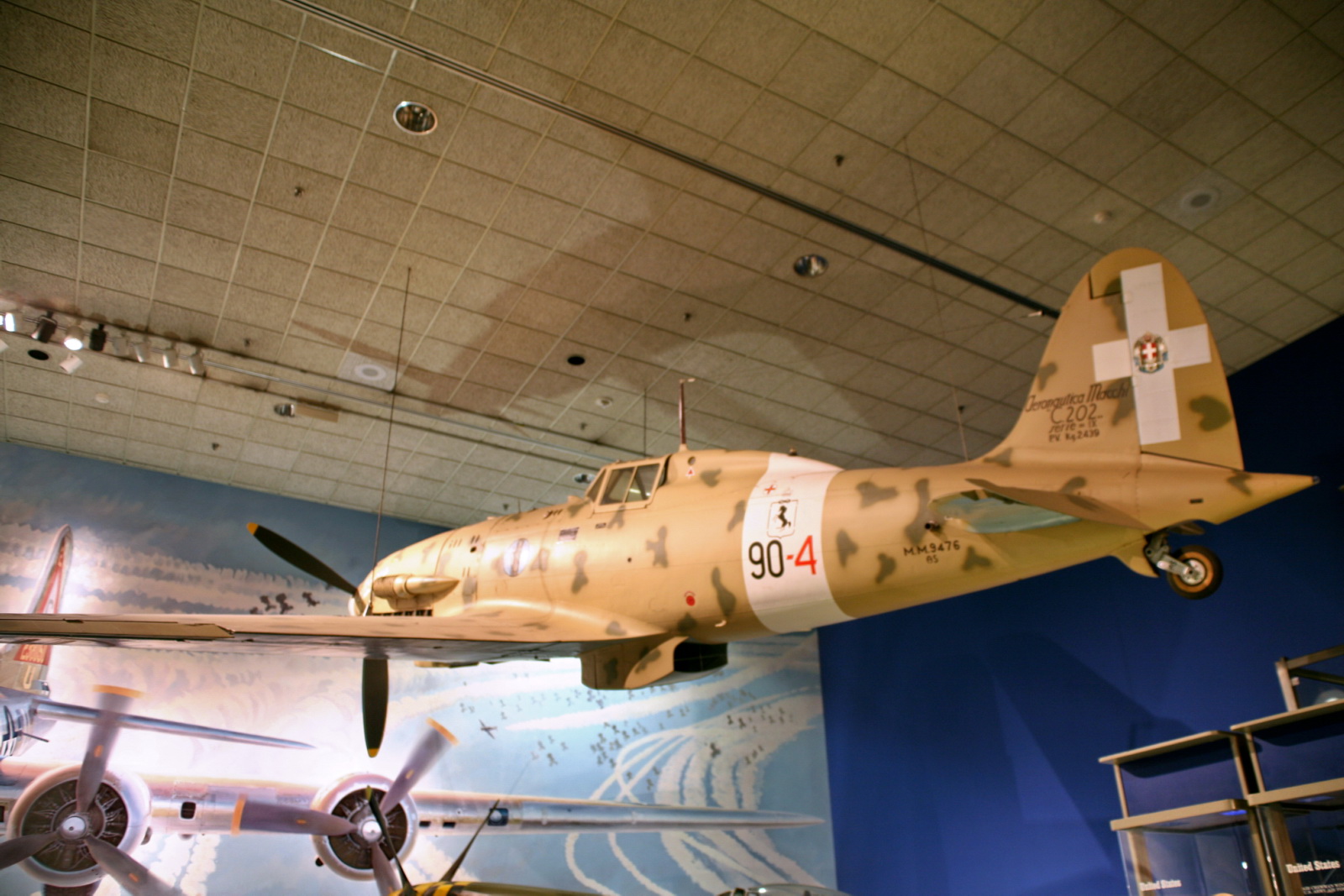
The better-armed C.205 Veltro supersedes the Folgore, which fades from front-line use. Two examples survive today, in Italy and at the Smithsonian.
Eight chapters in the Folgore’s war
From Schneider Trophy to Folgore
The Folgore’s designer had spent the 1920s and 30s building the fastest seaplanes on earth.
The full story
An Italian-built DB 601
The single change that made the Folgore great was its engine — a German design, built in Italy.
The full story
Agility that impressed the enemy
In a turning fight, the Folgore could hold its own against — and often beat — the best Allied fighters.
The full story
The firepower that held it back
For all its virtues, the Folgore went to war badly under-armed.
The full story
The siege in the sky
Some of the Folgore’s hardest fighting came over the tiny, embattled island of Malta.
The full story
Folgores over North Africa
Across the North African desert the Folgore was the Regia Aeronautica’s finest fighter.
The full story
Fighting on both sides
Italy’s surrender in September 1943 split the Folgore’s story in two.
The full story
What the Folgore could have been
The Folgore’s successor finally gave the design the guns it had always deserved.
The full story
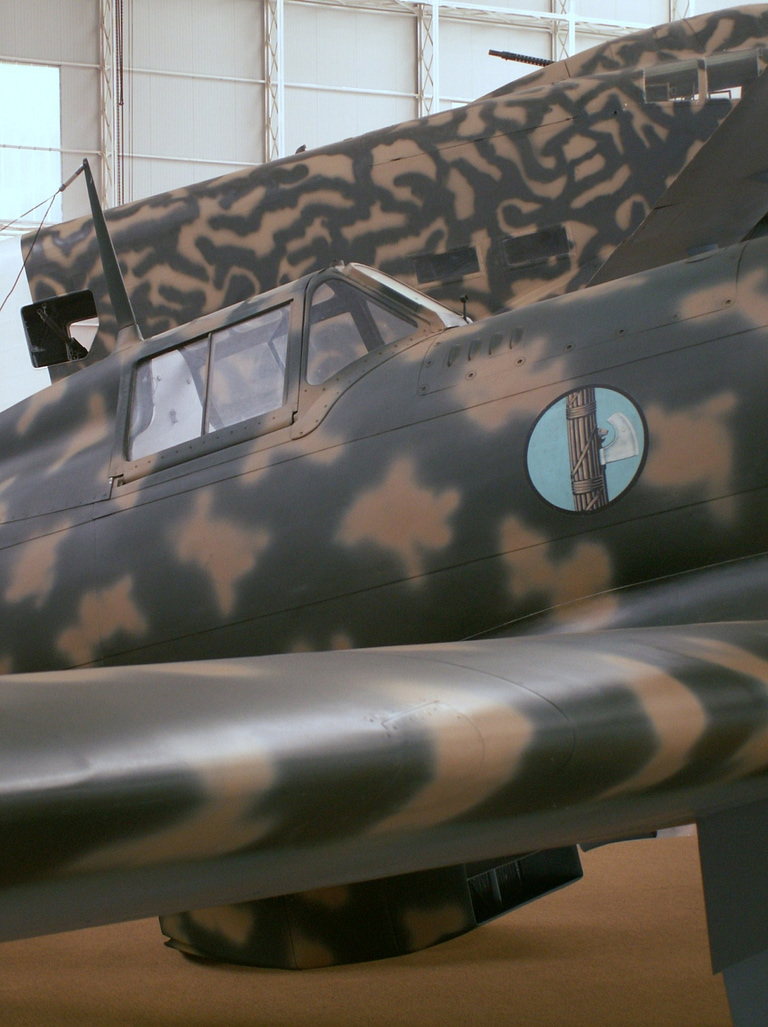
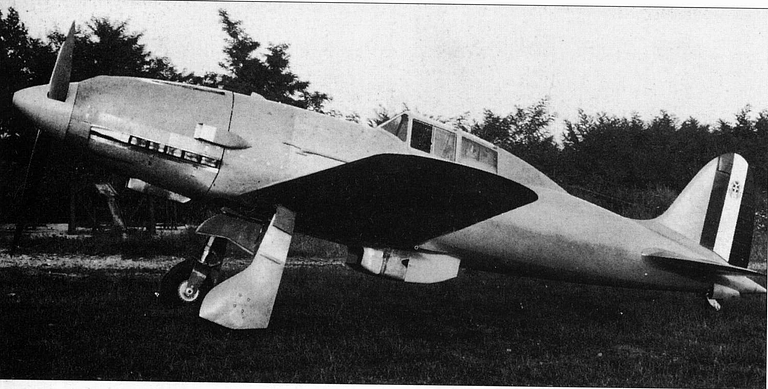
The Folgore in pictures
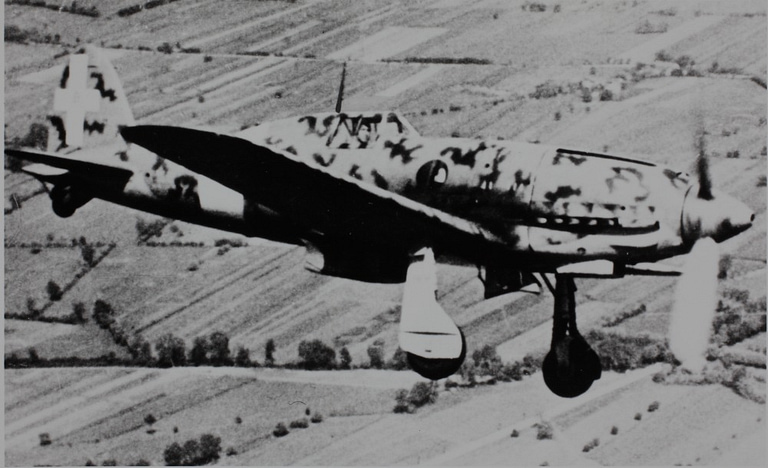
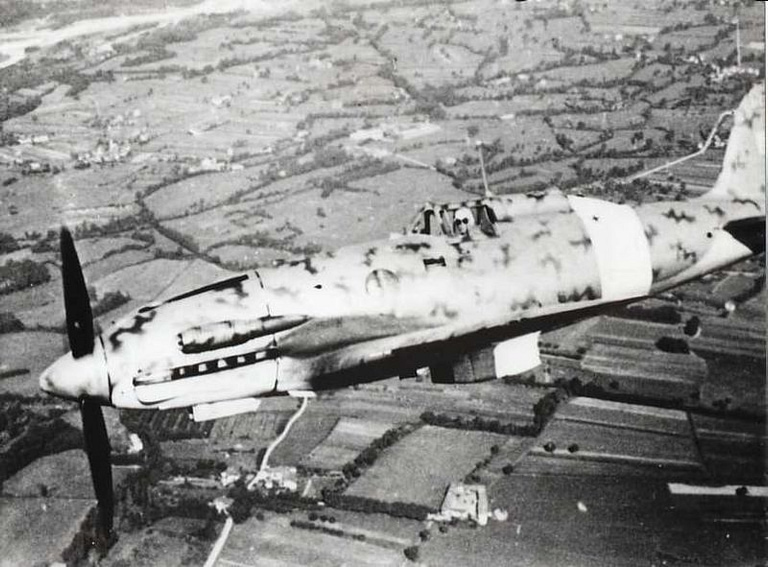
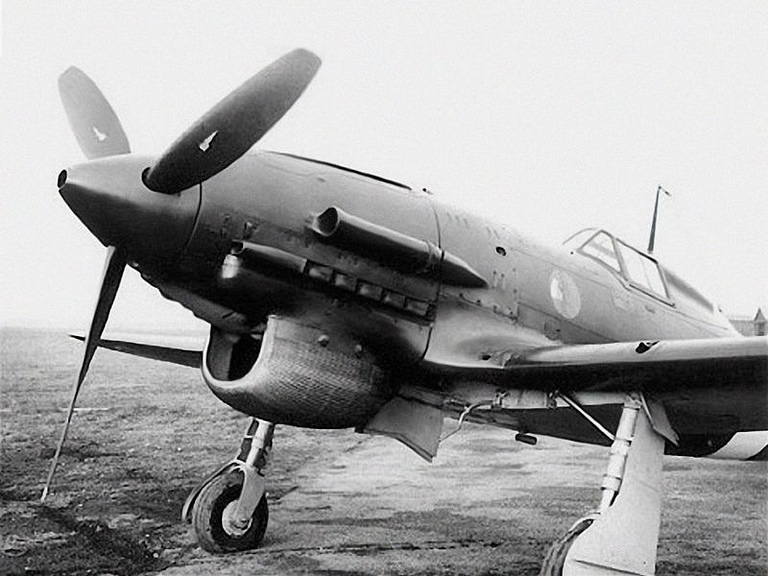
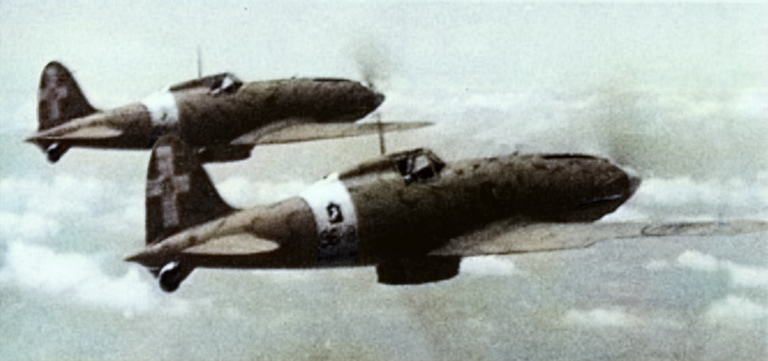
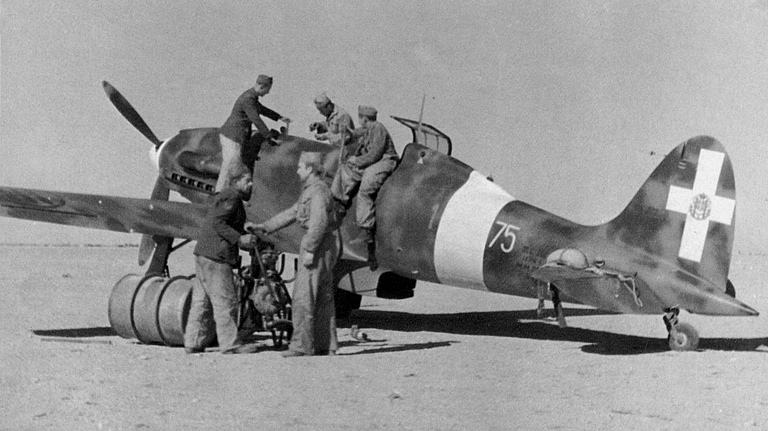
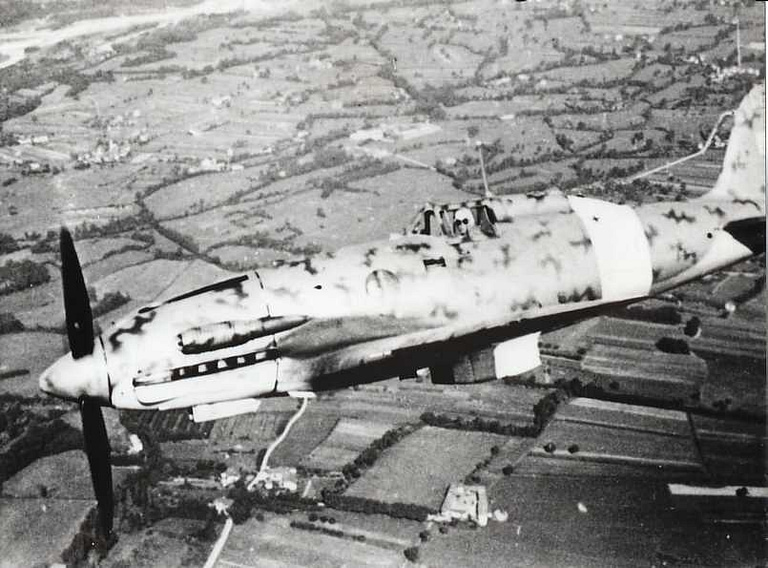
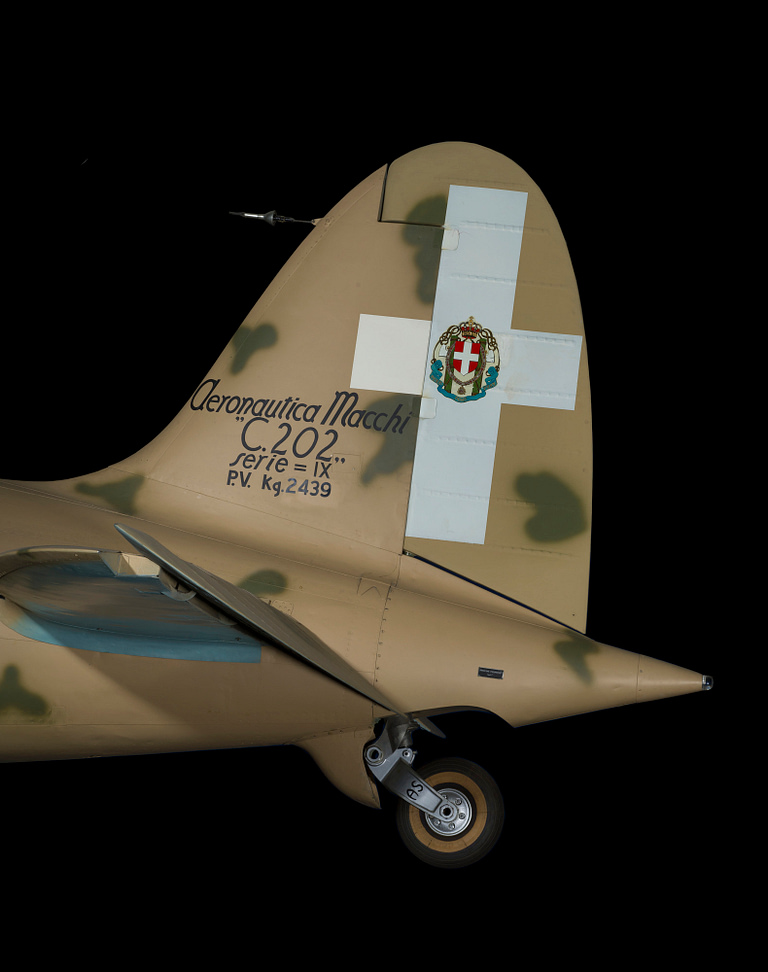
See the Folgore in context
How good was the Folgore, really? This detailed technical history digs into the C.202’s German-derived engine, its superb handling and its notorious lack of firepower — and how it stacked up against its Allied opponents.
Video: “Macchi C.202 Folgore” by Greg’s Airplanes and Automobiles (~67,000 views). Embedded via YouTube.
Where the Folgore fought
The Folgore, by the numbers
The Folgore was the Regia Aeronautica’s workhorse fighter through the hardest years of Italy’s war, fighting over Malta, the North African desert, Sicily and the Italian mainland. Its combat record is a study in contrasts: an aircraft that could out-fly almost anything it met, repeatedly let down by guns too light to make its advantages count.
Italian and Allied claims for the Mediterranean air war often overlap and are hard to reconcile; the figures above reflect the type’s scale and reputation rather than a precise victory tally.
Macchi C.202 Folgore — questions & answers
Can you fly a Macchi C.202 Folgore today?
No. Only two Folgores are known to survive — one at the Italian Air Force Museum at Vigna di Valle and one at the Smithsonian — and both are static museum exhibits. If you want to fly a real fighter yourself, MiGFlug offers cockpit experiences in genuine jet fighters you can actually strap into.
Was the Folgore a good fighter?
In many ways, yes. It had excellent handling and could out-turn the Spitfire Mk V, the Hurricane and the P-40, and in 1942 its units matched the Bf 109’s success in North Africa. Its great weakness was firepower: just two heavy machine guns, far too little against armoured Allied aircraft.
Why did an Italian fighter have a German engine?
Italy had no competitive home-grown inline engine, so Macchi used the German Daimler-Benz DB 601, built under licence in Italy by Alfa Romeo as the RA.1000 Monsone. That engine was the key to the Folgore’s performance.
What does “Folgore” mean?
“Folgore” is Italian for “thunderbolt” or “lightning.” Macchi’s fighters of the era carried weather- and sky-themed names — the earlier C.200 was the “Saetta” (arrow/thunderbolt), and the later C.205 the “Veltro” (greyhound).
What replaced the Macchi C.202?
The Macchi C.205 Veltro, a development with a more powerful engine and hard-hitting 20 mm cannon that finally cured the Folgore’s firepower problem — though it arrived too late and in too small a number to change the war.
You can’t fly a Folgore — but you can fly a fighter jet
The Folgore’s war belongs to history, but the thrill of flying a real fighter doesn’t. With MiGFlug you can strap into a genuine jet — from the L-39 Albatros to a MiG-29 at the edge of space — with an experienced fighter pilot beside you.
 Fly the L-39 AlbatrosThe world’s most-flown jet trainer — aerobatics included
 Fly the F-104 Starfighter“The missile with a man in it”
 Fly the MiG-21The Cold War’s most-produced jet
 Vuela el T-33 Shooting StarAmerica’s first jet trainer
 Fly the DH VampireA piece of early jet history
 Fly the S.211Agile Italian jet trainer
 Fly the MB-326The classic Aermacchi jet
 Fly the MiG-15The Soviet legend of the Korean War
Related aircraft
Where these facts come from
- Smithsonian NASM — Macchi C.202 FolgoreThe Smithsonian’s surviving Folgore
- Vintage Aviation News — the Italian ThunderboltSurvivor history & restoration
- San Diego Air & Space MuseumArchive photography of the type
- Imperial War MuseumsNorth African & Malta air-war records
Figures are drawn from museum and reference sources and cross-checked; where sources differ, the most commonly cited value is given. Performance and armament varied between production batches of the Folgore.