
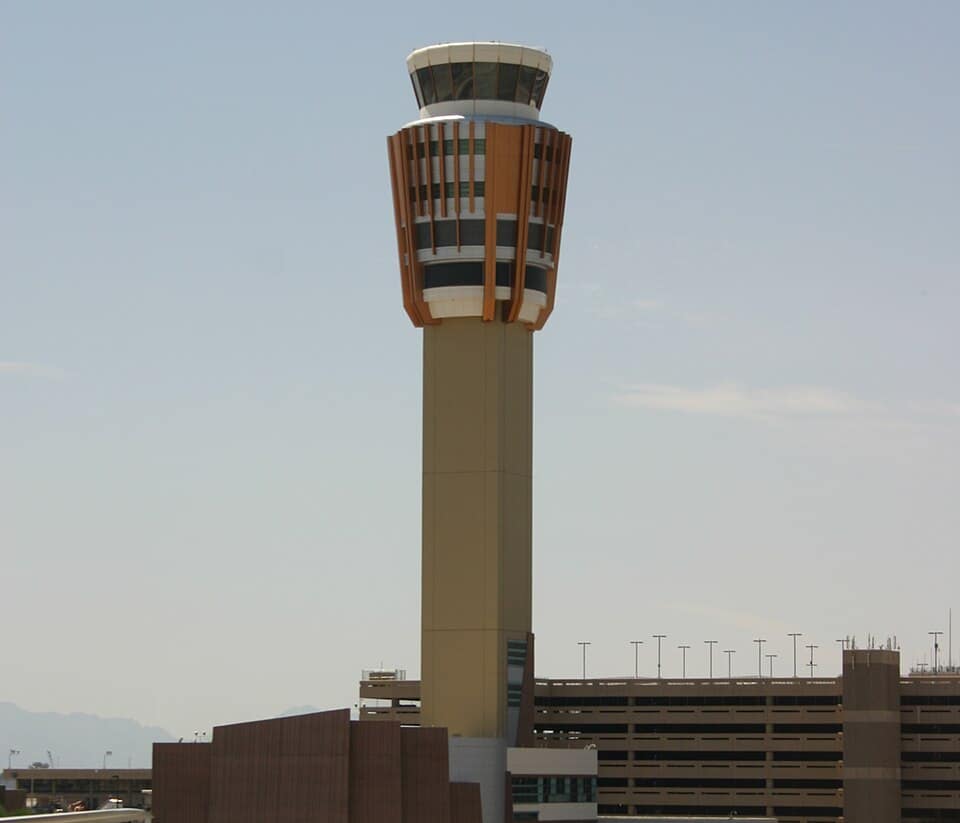
Summer hasn't officially started, but the chaos arrived early. On May 12, 2026, a cascade of delays, cancellations, and ground stops swept across American airports like a storm front — which, in many cases, it literally was. Phoenix Sky Harbor International Airport and Miami International Airport alone racked up a staggering 526 combined disruptions in a single day, turning terminal concourses into temporary refugee camps of frustrated passengers clutching boarding passes to nowhere.
The day served as a brutal preview of what the 2026 summer travel season may have in store. With passenger volumes projected to exceed pre-pandemic records for the third consecutive year, the system is operating at the razor's edge of capacity. When weather, mechanical issues, or staffing shortfalls converge, the result is precisely the kind of nationwide meltdown that played out on Tuesday.
Quick Facts
- Date: May 12, 2026
- Phoenix Sky Harbor + Miami International: 526 combined delays/cancellations
- Dallas Love Field: 61 cancellations, 137 delays
- Southwest Airlines: 194 disruptions at Dallas Love Field alone
- FAA ground stop: Issued for Dallas Love Field
- The day before, on May 11: Turkish Airlines tyre fire at Kathmandu, Lufthansa return to Athens, Malaysia Airlines tyre burst at Hong Kong

A Perfect Storm at America's Busiest Hubs
The trouble began in the early afternoon as severe thunderstorm cells developed across the southern tier of the United States. Phoenix, already baking under triple-digit temperatures that degrade aircraft performance, saw weather-related holds cascade into a domino effect of gate shortages and crew timing violations. By 5 p.m. local time, the airport's departure boards were a mosaic of red and yellow — cancelled and delayed, cancelled and delayed, row after row.
Miami International fared no better. A combination of afternoon thunderstorms, the perpetual congestion of south Florida airspace, and an apparent ground delay program imposed on inbound flights turned the airport into a bottleneck of continental proportions. International flights stacked up alongside domestic connections, and the terminal's food courts ran low on supplies as thousands of stranded travelers settled in for long waits.
But the single worst-hit facility may have been Dallas Love Field, Southwest Airlines' spiritual home. The FAA issued a ground stop at Love Field as weather closed in, triggering 61 outright cancellations and 137 delays. With Southwest operating the vast majority of Love Field's flights, the airline bore the brunt of the disruption — and the passenger fury that followed.

Southwest in the Spotlight — Again
Southwest Airlines accounted for 194 of the day's disruptions at Dallas Love Field alone, a number that will reignite scrutiny of the carrier's operational resilience. The Dallas-based airline has been working to rebuild its reputation since the catastrophic holiday meltdown of December 2022, investing in technology upgrades, crew scheduling systems, and weather contingency planning. But May 12 showed that those improvements have limits when Mother Nature decides to test them.
Southwest's point-to-point network model, which eschews the hub-and-spoke system used by Delta, United, and American, has long been both a strength and a vulnerability. It offers passengers more direct routes and lower fares, but when disruptions hit, the ripple effects are harder to contain because aircraft and crews don't return to a central hub to be redeployed. A delayed aircraft in Phoenix cascades to Las Vegas, then to Oakland, then to Portland, with each leg compounding the problem.

Global Aviation's Rough Day
The chaos wasn't limited to the United States. In an unrelated but equally alarming incident the day before, a Turkish Airlines Airbus A330-343, registered TC-JNP, suffered a landing-gear tyre fire after landing at Tribhuvan International Airport in Kathmandu, Nepal. Passengers and crew were evacuated via emergency slides, and while no fatalities were reported, the incident shut down the airport's single runway and disrupted flights across the region for hours.
Meanwhile, over the Mediterranean, Lufthansa Flight LH1753 was forced to return to Athens on May 11 shortly after departure due to an APU fire warning. The aircraft landed safely and passengers were evacuated via slides, but the turnaround added yet another data point to a day that the aviation industry would rather forget.
In Hong Kong, a Malaysia Airlines Boeing 737 suffered a tyre burst during a rejected takeoff at Chek Lap Kok airport, also on May 11. The incident caused no injuries but required the runway to be temporarily closed for inspection and debris removal, creating knock-on delays across one of Asia's busiest aviation hubs.
Bracing for a Long Summer
The May 12 disruption wave is a warning shot. Airlines have sold record numbers of summer tickets, airports are operating at or near capacity, and the FAA's air traffic control workforce remains stretched thin despite ongoing hiring efforts. When severe weather layers onto that already-stressed foundation, the result is predictable and increasingly frequent.
For passengers, the takeaway is clear: build buffer time into summer travel plans, invest in travel insurance, and download airline apps that provide real-time rebooking options. For the industry, May 12 should be a catalyst for harder conversations about capacity limits, infrastructure investment, and whether the relentless pursuit of schedule optimization has left the system too brittle to handle the inevitable disruptions of summer flying.
The 526-disruption day is over. The summer has barely begun.
Sources: FlightAware, FAA OPSNET data, Southwest Airlines operations reports, Aviation Herald, Reuters, Associated Press.
Related Questions
Why was there so much flight disruption in summer 2026?
US air travel in summer 2026 was strained by record passenger volumes meeting limited capacity. On May 12, 2026, Phoenix Sky Harbor and Miami International alone logged 526 combined delays and cancellations in a single day, as weather, mechanical issues and staffing shortfalls converged into a nationwide meltdown.
What happened on May 12, 2026, at US airports?
On May 12, 2026, a cascade of delays, cancellations and ground stops swept US airports, much of it weather-driven. Phoenix Sky Harbor and Miami International together recorded 526 disruptions that day. The event was seen as an early preview of a demanding 2026 summer travel season.
Why are flight delays getting worse?
Passenger demand has exceeded pre-pandemic records for three consecutive years, pushing the air-travel system to the edge of its capacity. With little slack, any combination of bad weather, aircraft mechanical problems or crew shortages can cascade quickly into large-scale delays and cancellations across the network.
How can travellers avoid airport delays?
Booking early-morning flights, allowing generous connection times and tracking weather can reduce exposure to cascading delays. New transport options are also emerging to bypass ground congestion, such as Joby's seven-minute air-taxi hop from JFK to Manhattan.
Is 2026 a record year for air travel?
Yes. Passenger volumes in 2026 are projected to exceed pre-pandemic records for the third straight year. That sustained demand is good news for airlines' revenues but leaves the system operating with very little spare capacity, making widespread disruption more likely when problems strike.

0 Comments