
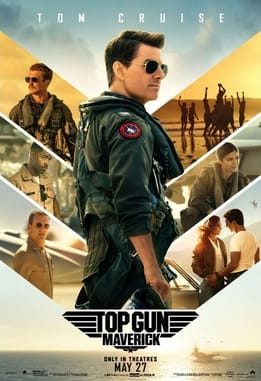
The cover is yellow. The title is taken from the visor on a U.S. Navy fighter pilot’s helmet — the polarised yellow strip that filters out everything except what matters in the high desert sun over Fallon. The author is Vincent “Jell-O” Aiello, a former F/A-18 Hornet pilot, F-16 aggressor, TOPGUN instructor, and host of what has quietly become the most-listened-to aviation podcast in the world.
And the memoir, published in April 2025, is something the naval aviation community has been waiting twenty years for: a book about what the job actually feels like, written by someone who is honest about how much of it has nothing to do with the Top Gun film and everything to do with twenty-five years of being absolutely terrified, occasionally bored, sometimes elated, and almost always exhausted. It is one of the best aviation memoirs published this decade. It deserves a serious read.
Quick Facts
Title: Through the Yellow Visor
Author: Vincent “Jell-O” Aiello, Captain (Ret.), U.S. Navy
Published: April 2025
Subject: A 25-year naval aviation career — flight school, F/A-18 Hornet fleet, F-16 Aggressor tour, TOPGUN instructor, air wing operations officer, retirement
Flight time: Over 3,800 hours; 705 carrier landings
Operational deployments: Combat operations over Iraq during Operations Northern and Southern Watch and Operation Iraqi Freedom
Best known as: Founder and host of The Fighter Pilot Podcast (started 2018; over 250 episodes; downloaded in 200+ countries)
Post-Navy: Captain at a major U.S. airline; known for his detailed Top Gun: Maverick (2022) debriefs
Why this matters: Few TOPGUN instructors ever write memoirs; almost none of them are this honest about the costs
What “Yellow Visor” actually is
The naval aviation helmet has two visors. The clear one — for night, for clouds, for IFR. And the polarised yellow one, which is what every fighter pilot lowers in bright daylight to cut glare and increase contrast against the desert or the open ocean. Through the yellow visor, the world looks more saturated, more readable, slightly otherworldly. It is the most familiar piece of personal kit any naval aviator owns. They put it on the morning of their first solo and the morning of their last carrier trap.
Aiello’s book takes its title from the visor and uses it as the central metaphor. The yellow visor is what filters the world for a fighter pilot — and what filters out, deliberately or not, almost everything else that does not directly bear on the next thirty minutes of flying. The cost of seeing the world that clearly, for that long, is a quiet erosion of the parts of life that happen on the ground. That is what Aiello’s book is really about.
Why this memoir is different
The aviation memoir genre is older than the airplane. Lindbergh wrote one. Chuck Yeager wrote three. Robin Olds’ daughter compiled one from her father’s tapes. Most modern naval aviation memoirs follow a predictable arc: the kid who looked up at airplanes, the chaos of flight school, the deployment that made the writer a real pilot, the war story, the retirement reflection.
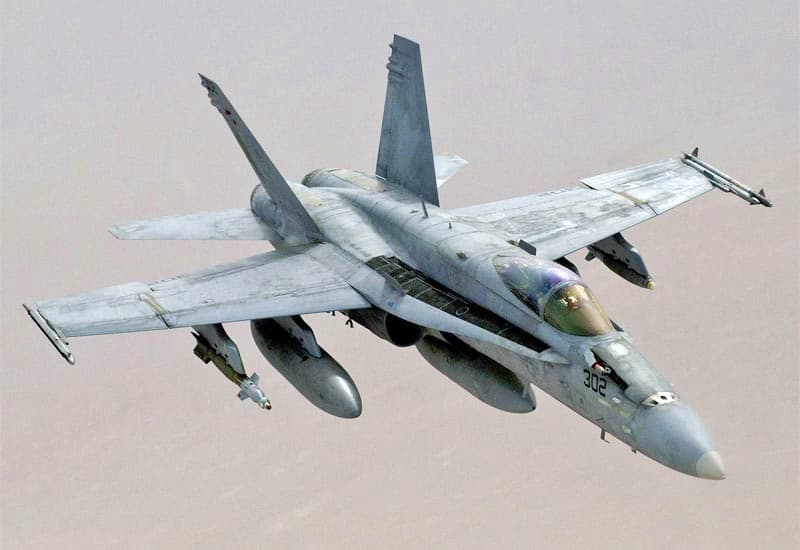
Aiello does all of those things but adds something nobody else has done at this length: a genuinely candid account of what it costs to be a TOPGUN instructor for three years. The 80-hour weeks. The marriages that do not survive. The colleagues who quietly leave the Navy because the rhythm of carrier deployments combined with TOPGUN debriefs ends them. The honest acknowledgement that some of the pilots Aiello taught at TOPGUN were better than him. The post-Iraq period when he stopped sleeping and did not tell anyone for a year. The grind of being the squadron operations officer at sea, where the actual flying becomes the easiest part of the day.
This is not the Top Gun film. This is the back end of the Top Gun film, written from the inside by someone who has nothing left to prove and no career left to protect.
Aiello’s framing throughout the book is that this is the trade of the profession: you get to fly the most extraordinary machines ever built, and you give up a piece of your life every time you climb in.
The Fighter Pilot Podcast pedigree
What gives the memoir its weight beyond the author’s own résumé is the platform he has been building for the last seven years. The Fighter Pilot Podcast started in 2018 as a side project — Aiello interviewing fellow naval aviators in his spare time between airline trips. It is now one of the largest aviation podcasts in the world, with over 250 episodes, listeners in more than 200 countries, and a guest list that ranges from current F-35 squadron commanders to Royal Navy Sea Harrier veterans to the Skunk Works engineer who designed the F-22’s thrust vectoring.
The podcast’s editorial standard is high. Aiello does not push his guests. He lets them talk. He does not interrupt. He asks the question the listener is thinking and then waits. The result is the most extensive oral-history archive of late-20th and early-21st century fighter aviation that anyone is currently building. The memoir grew naturally out of that work — Aiello has spent six years listening to other pilots’ stories and concluded, with some reluctance, that he should probably write down his own.
What you actually learn from reading it
Several things, none of them what the marketing copy will tell you.
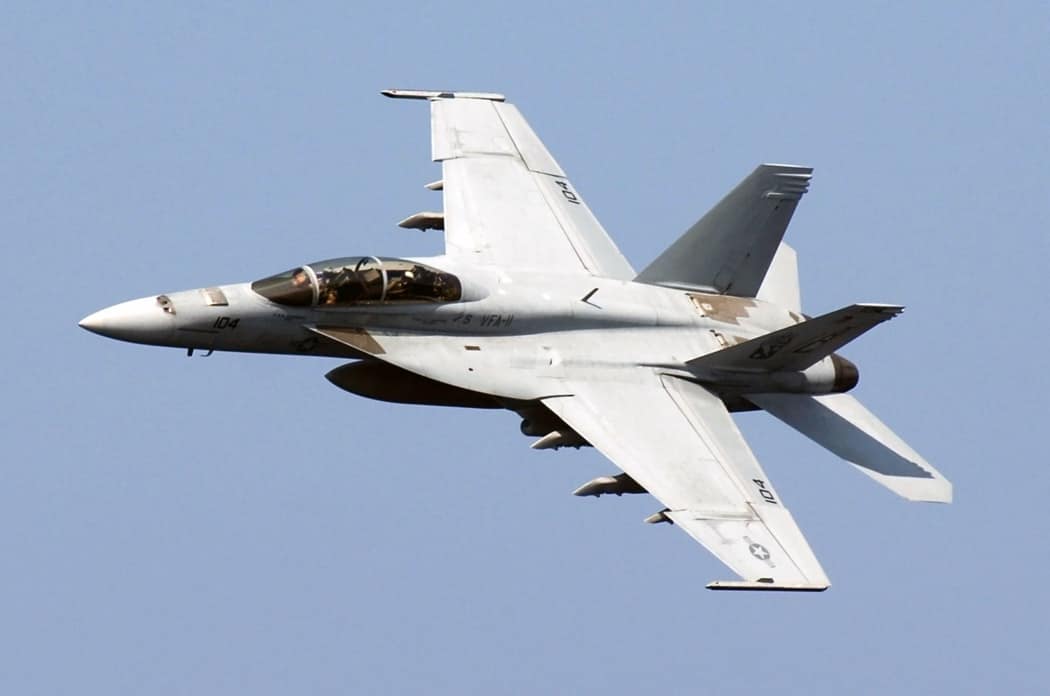
You learn that carrier landings get easier — but never easy. Aiello’s 705 carrier traps did not make trap 705 any less consequential than trap 1. Every recovery aboard ship is a controlled crash that requires complete attention. The pilots who lose attention die.
You learn that TOPGUN is not what the film shows. There is no scoreboard. There is no rivalry. There is a lot of brutal post-flight debriefing, much of it private, much of it conducted in the kind of measured analytical tone that strips a pilot’s ego down to the airframe. The graduates emerge as instructors at their own home squadrons. The point of TOPGUN is not to win — it is to teach others how to teach others.
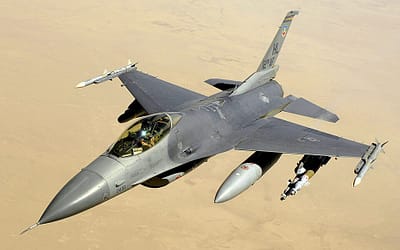
You learn that the F-16 Aggressor tour Aiello flew in the early 2000s was, in some ways, the most fun of his career. The Aggressor squadron pilots are paid to lose. They are also paid to do it convincingly enough that the fleet pilots learn something. Aiello loved it, missed the Hornet anyway, and went back to the fleet because that was the path the Navy needed him on.
You learn that the moment a pilot decides to leave the Navy is rarely a single event. It is usually a slow accumulation of small accommodations — to the airline schedule his spouse needs, to the school schedule his kids are starting, to his own body that has stopped recovering between flights the way it used to. Aiello writes about that with no bitterness and no nostalgia. The Navy is a magnificent organisation. It also wears people down. Both things are true.
Where to find it
The book is available in hardcover and as an audiobook narrated by Aiello himself — which is the recommended format. His delivery on the podcast is calm, dry, and occasionally very funny, and the audiobook benefits from the same voice. The print edition includes photographs from the author’s personal collection.
For MiGFlug readers — most of whom will at some point sit in the right seat of an L-39 Albatros or a MiG-29 — Through the Yellow Visor is the closest thing currently in print to a guide to what life inside a real fighter cockpit, sustained over decades, actually looks like. It is not the film. It is better than the film. And it will make your own next flight, however brief, feel a little less like tourism and a little more like a tiny window into the world Aiello spent twenty-five years inside.
Watch: Vincent “Jell-O” Aiello debriefs Top Gun: Maverick with the level of detail only a former TOPGUN instructor can provide.
Sources: Through the Yellow Visor (Aiello, 2025); The Fighter Pilot Podcast; published author interviews.

 English
0 Comments