
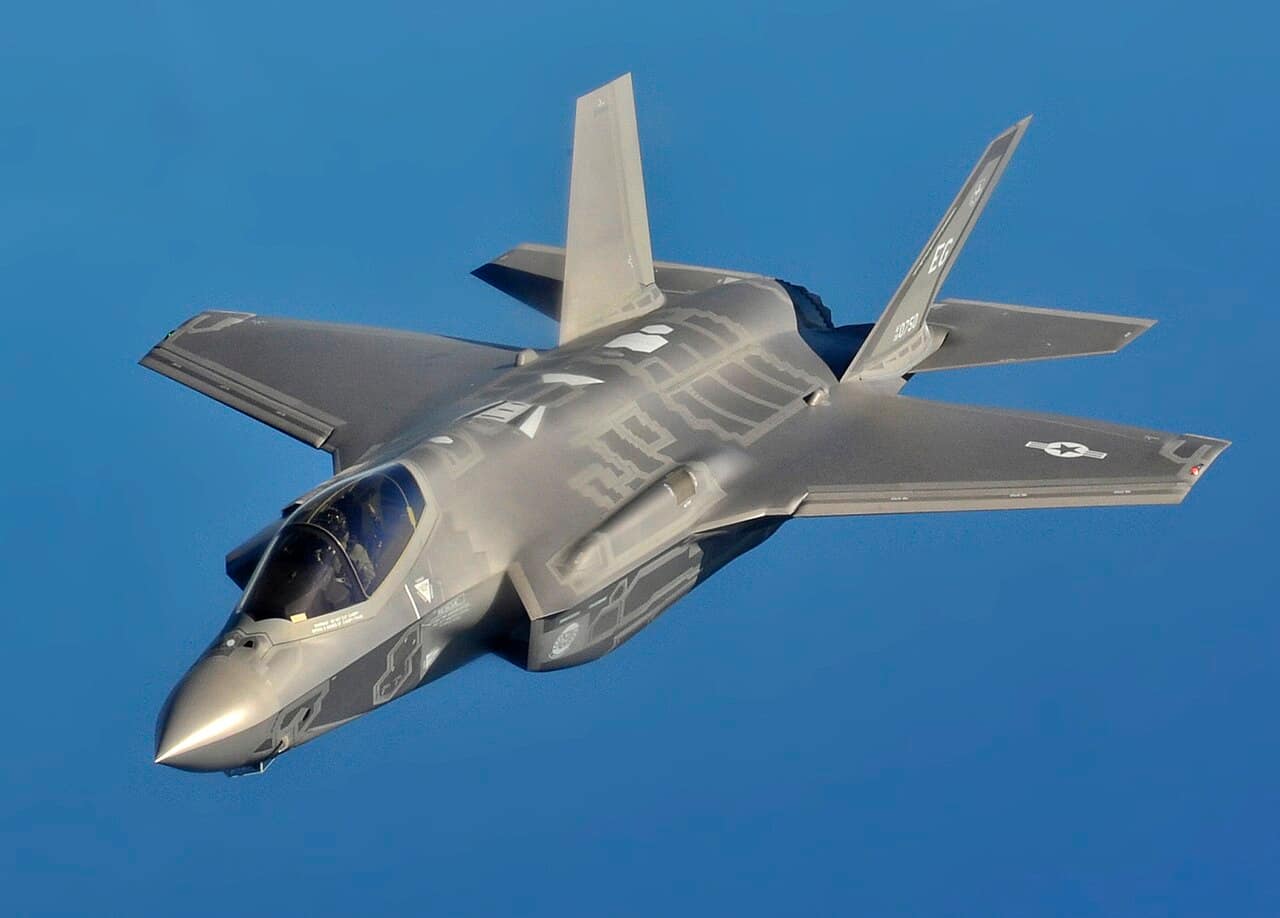
From the fjords of northern Norway to the sun-baked runways of southern Spain, NATO is conducting the largest air exercise in Alliance history. Ramstein Flag 2026, which began on 8 June and runs through 19 June, has assembled more than 200 aircraft from 18 nations across more than 20 operational locations in 12 countries—an aerial deployment that, in both scale and complexity, surpasses anything the Alliance has attempted in peacetime.
What distinguishes this iteration from its predecessors is not merely its size. For the first time, Allied Air Command (AIRCOM) is leading the entire exercise independently, a milestone that reflects NATO’s growing confidence in its air component command structure. The exercise operates under the framework of Enhanced Vigilance Activity Eastern Sentry, meaning the training scenarios are drawn directly from real-world deterrence requirements along the Alliance’s eastern flank.
The message, one suspects, is not lost on Moscow.
Quick Facts
- Duration: 8–19 June 2026 (two weeks)
- Participants: 18 Allied nations
- Aircraft: 200+ fighters, tankers, ISR, AWACS, and RQ-4D Phoenix drones
- Bases: 20+ operational locations across 12 countries, from Norway to Spain
- Sortie rate: 150+ sorties per day
- Host nations: Denmark, Finland, Norway, Sweden, Spain
- Key firsts: AIRCOM-led independently; F-35B highway operations in Finland; real-time F-35-to-artillery data link
- Focus areas: Counter-A2/AD, integrated air/missile defence, agile combat employment
Three Joint Operations Areas, One Air War
Ramstein Flag 2026 divides European airspace into three Joint Operations Areas spanning the continent’s northern and southern flanks. Operations run simultaneously across all three, combining live-fly missions with synthetic training injections to create the kind of multi-domain complexity that Allied air forces would face in a real conflict.
In the north, the Combined Air Operations Centre in Bodø, Norway, coordinates fighter sweeps, suppression of enemy air defences, and integrated air and missile defence scenarios across Scandinavian and Finnish airspace. In the south, Spanish bases anchor maritime strike and defensive counter-air training over the western Mediterranean. The exercise framework—Enhanced Vigilance Activity Eastern Sentry—ensures that lessons learned feed directly into NATO’s real-world deterrence posture along the eastern border.
First day of exercise Ramstein Flag 2026 has concluded, 11 more to come! 🔥
— NATO Air Command (@NATO_AIRCOM) June 8, 2026
18 nations, 200+ aircraft deploying to and launching from 20 different locations all across Europe. #RamsteinFlag #WEWARENATO #NATO pic.twitter.com/faP5idPDDS
The participating aircraft include a representative cross-section of NATO’s air power: F-35A and F-35B Lightning IIs from Denmark, Italy, Norway, and the United States; F/A-18s from Spain; F-16s from Poland; Eurofighter Typhoons from multiple nations; tankers; intelligence, surveillance, and reconnaissance platforms; and NATO’s own E-3A AWACS and RQ-4D Phoenix remotely piloted aircraft. Combined, these assets generate more than 150 sorties per day—a tempo that tests not only pilot proficiency but the entire chain of logistics, maintenance, and command and control.
Fifth-Generation Integration: The F-35 as Force Multiplier
The centrepiece of Ramstein Flag 2026’s tactical innovation is the integration of fifth-generation F-35 fighters across northern Europe. Operating as nodes in a wider Allied sensor and communications network, the F-35s detect, classify, and share threat information in real time, dramatically improving situational awareness for commanders, aircrews, and ground-based air defence units.
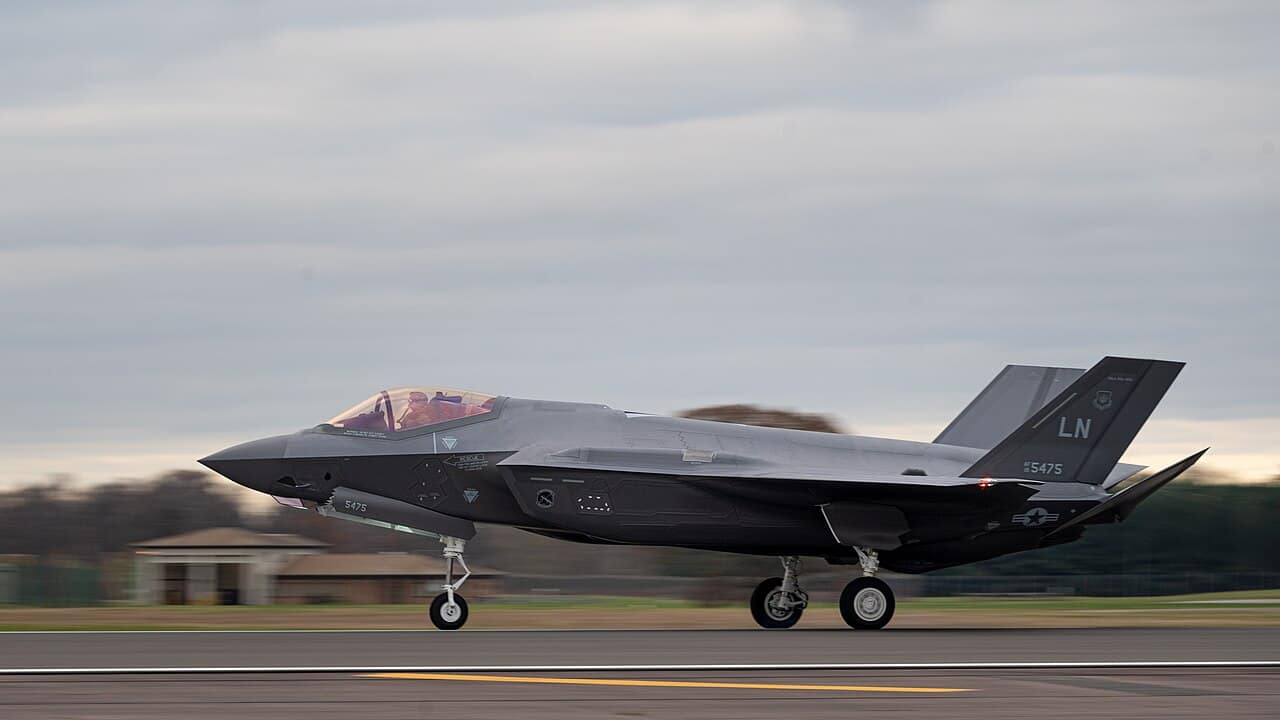
The exercise produced a notable first: a non-U.S. F-35, operating in flight, securely transmitted classified data in real time to a Dutch command and control environment called Keystone. That data was then relayed to a ground-based rocket artillery unit, which neutralised a simulated threat detected by the F-35—marking the first successful demonstration of a seamless sensor-to-shooter chain between an Allied fifth-generation fighter and a ground fires element.
“This team is ready to fight and perform right alongside our NATO Allies. We train how we fight, and the 48th Fighter Wing has a proven track record of answering the call, wherever, whenever and however we’re needed.”
Lt. Col. Dustin Merritt, Deployed Detachment Commander, 493rd Fighter Squadron, USAFE
Highway Operations: F-35Bs Land on Finnish Roads
In one of the most visually striking developments of the exercise, U.S. Marine Corps F-35Bs from Marine Fighter Attack Squadron 224 conducted the first American short-takeoff-and-vertical-landing operations from a Finnish highway strip near Tervo, Finland. Spanish F/A-18s and Polish F-16s joined them on the roadway, marking the first time any of these nations had operated from Finnish road infrastructure.
The highway operations exemplify NATO’s Agile Combat Employment concept: the ability to disperse, sustain, and generate combat airpower from non-traditional locations. In a conflict against a peer adversary equipped with long-range precision strike, concentrated aircraft on large, predictable air bases become lucrative targets. Distributing fighters to highway strips, civilian airfields, and austere locations complicates the adversary’s targeting calculus and enhances Alliance resilience.
For Finland, which joined NATO in 2023 and Sweden in 2024, the exercise represents a tangible integration into the Alliance’s air defence architecture. The Combined Air Operations Centre in Bodø is steadily absorbing the Nordic newcomers into its operational rhythm—a process that Ramstein Flag 2026 accelerates considerably.
Sources: NATO Allied Air Command, Finnish Air Force, Lockheed Martin F-35 Programme, Defence Industry Europe, High North News, Stars and Stripes

 English
0 Comments