
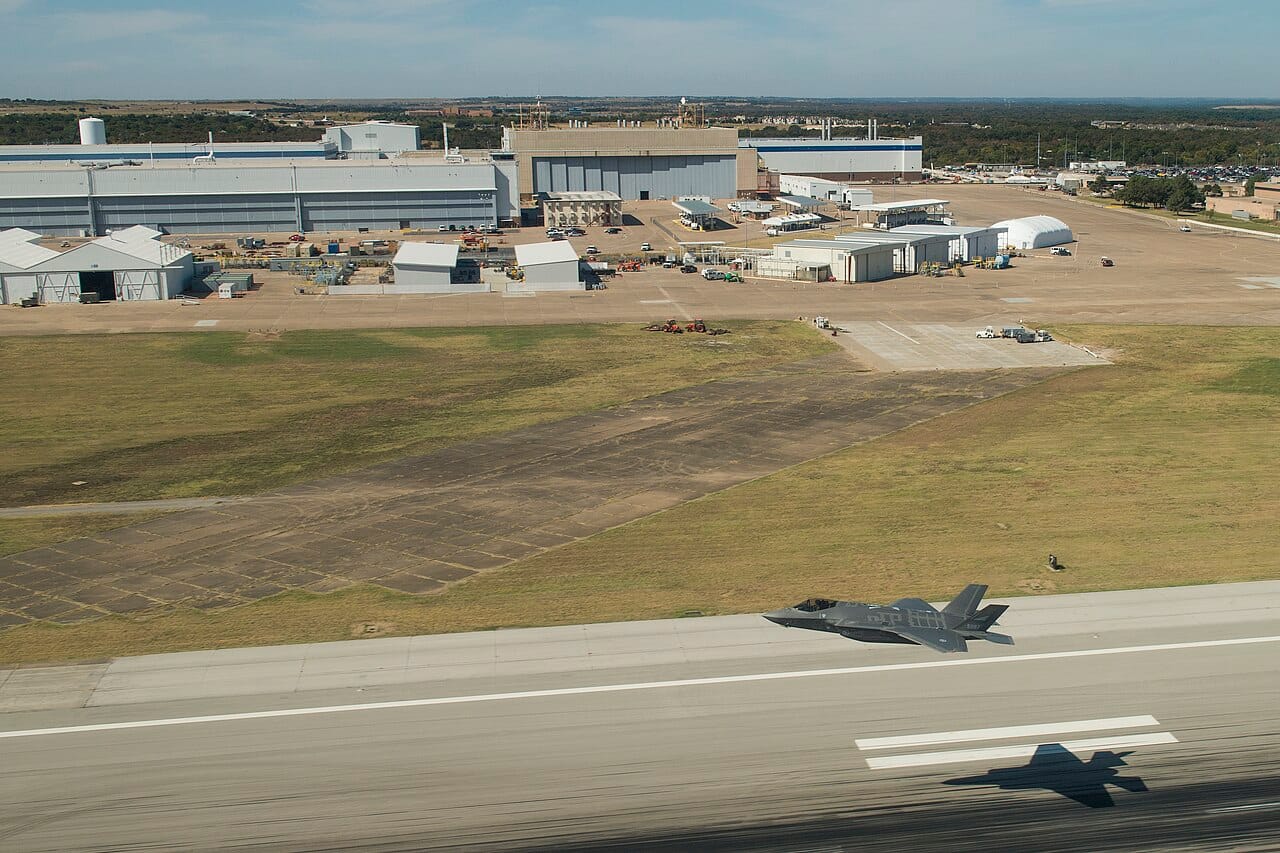
Lockheed Martin has delivered roughly 1,200 F-35s. The Pentagon’s 2025 Director of Operational Test and Evaluation (DOT&E) report, published this spring, has now declared the most important upgrade to that fleet — Technology Refresh 3 — operationally unusable. Twelve months of testing. Zero new combat capability for the warfighter.
The Block 4 modernisation, which TR-3 is supposed to enable, was already late, already over budget, and already the target of two GAO reports. The new DOT&E verdict pushes the timeline further: full Block 4 combat capability may not arrive before 2031.
Quick Facts
- What broke: Technology Refresh 3 (TR-3) — the hardware/software foundation for F-35 Block 4
- Verdict: “Has not delivered any new combat capability throughout 2025” — DOT&E 2025 report
- Affected jets: All F-35As produced since mid-2023 (~180+ airframes)
- Original Block 4 ready date: 2026
- Current best-case Block 4: 2031
- Programme cost overrun: ~$10 billion above 2018 baseline
What TR-3 was supposed to do
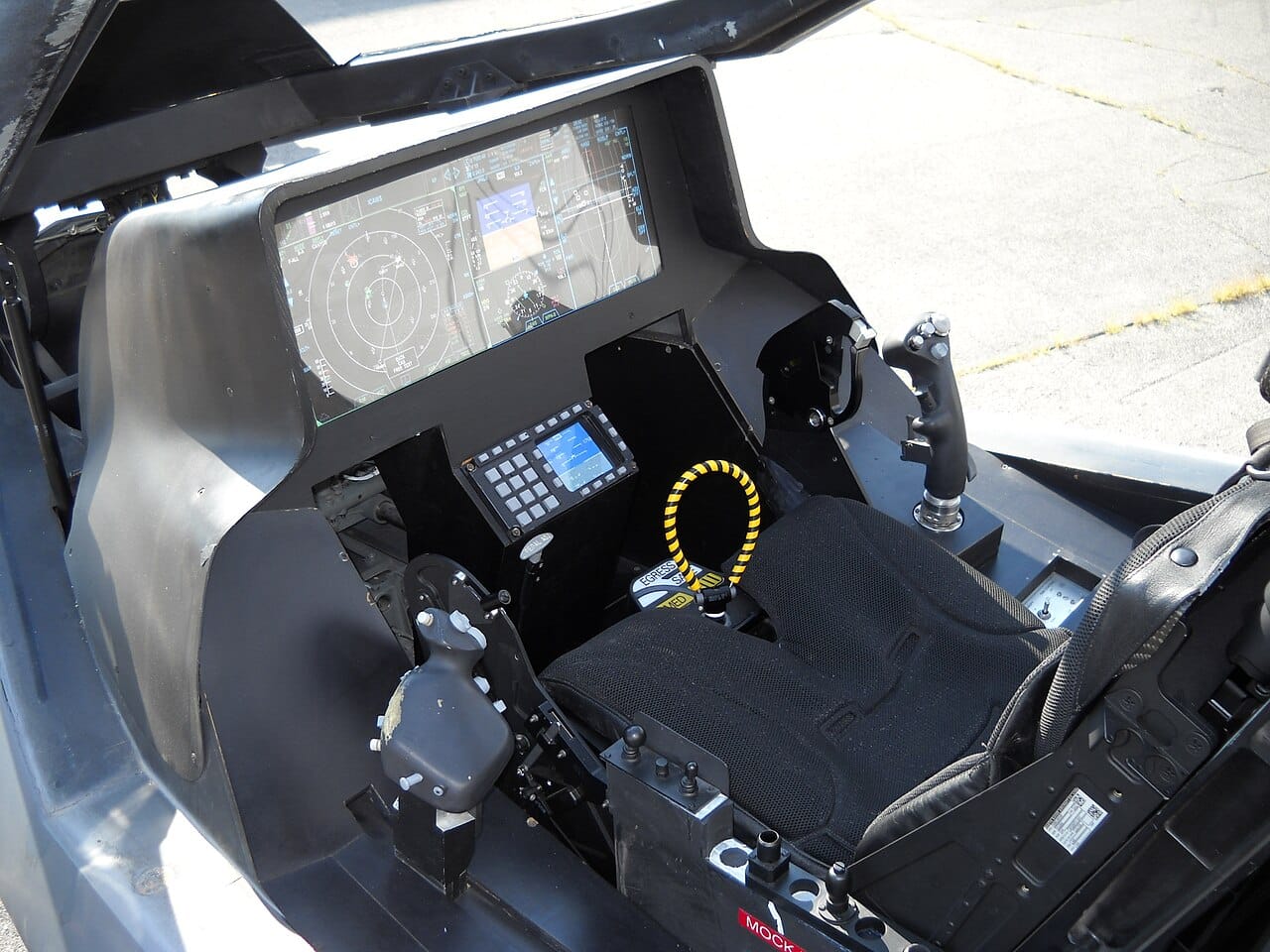
TR-3 is the foundation Block 4 sits on. New processors, an integrated core processor, a panoramic cockpit display, and the memory and bandwidth to run the 80-plus new capabilities Lockheed and the Joint Program Office have been promising since 2018. Block 4 itself includes new weapons, better electronic warfare, improved sensor fusion, classified upgrades to the AN/APG-81 radar, and a path to data integration with future Collaborative Combat Aircraft.
None of this works without TR-3 hardware and TR-3 software running cleanly together. And for two years now, they have not.
The shorthand of the problem: pilots flying TR-3 jets report instability in basic mission-system functions, with software builds described internally as “truncated” — features stripped out to keep the jet flyable in training. Combat coding hasn’t been certified. As DOT&E noted bluntly, no operational unit has received any genuine new fighting capability from a year of TR-3 deliveries.
Why the Pentagon shipped jets anyway
The Air Force has accepted F-35As built to TR-3 standard since mid-2023, even before TR-3 software was anywhere near combat-ready. The deal was that those jets would sit in “truncated” configurations for training while the software caught up. Two and a half years later, the software has not caught up. Roughly 180-plus F-35As are now in service with limited combat utility, parked across U.S. and allied flightlines waiting for code that DOT&E says cannot yet be operationally trusted.
What it means for buyers
For the 220-plus F-35As already in European service — including the brand-new Polish Husarz fleet at Łask and Italy’s F-35Bs now operating from Finnish highways — this is awkward but not catastrophic. The existing TR-2 baseline still delivers what these jets were sold to do. The problem is timeline: every new capability allies were promised for the late 2020s is now potentially a decade out.
For the F-47 Next Generation Air Dominance programme, the news cuts another way. The Air Force has staked sixth-gen success on a different software architecture, an open-mission-systems backbone, and cleaner integration between the manned fighter and its Collaborative Combat Aircraft drones. Whether that lessons-learned framework holds up is the question that follows every closed-door briefing on Capitol Hill this month.
Block 4, when it lands, will still be a transformational upgrade. The fight is no longer about whether the F-35 gets there. The fight is whether anyone believes the dates anymore.
Sources: 2025 DOT&E Annual Report, Aviation A2Z, Air & Space Forces Magazine, Defense News, U.S. Government Accountability Office.


 English
0 Comments