

The F-35 Lightning II was supposed to cost $4.1 million per aircraft per year to operate. That is the affordability target the US Air Force set for the F-35A, expressed in 2012 dollars. It was the number the Pentagon used to budget the largest single weapons programme in human history.
The Air Force now projects $6.6 million per jet per year by 2036. That is 60% over plan, and the gap is still widening. The most recent Government Accountability Office report puts total programme sustainment at $1.58 trillion across the F-35’s life cycle — up 44% from the 2018 estimate, with no sign of stabilising.
For FY2026, the Air Force responded by cutting its planned F-35 buy in half.
Quick Facts
Projected F-35A sustainment cost in 2036: $6.6 million per jet per year (target: $4.1 million, 2012 dollars)
Total life-cycle sustainment estimate: $1.58 trillion (up from $1.1T in 2018)
Fleet-wide availability: Below goal for all variants
FY2026 USAF F-35 buy: 24 aircraft (down from 48 previously projected)
New spending bet: About $1 billion on spares to fix readiness
The Bill Lockheed Quietly Stopped Defending
Aviation cost overruns are normal. The F-35’s are not. The aircraft is now the most-produced fifth-generation fighter in history with more than 1,000 delivered, and it is the cornerstone of every Western air force from Norway to Australia. Yet the programme office has been quietly walking back the affordability promises for a decade.
The GAO numbers are unsparing. Sustainment costs have risen 44% since 2018. Operating cost per flight hour has risen even faster. None of the three variants — A, B, C — is meeting its availability goal. The fleet’s mission-capable rate has trended downward almost continuously for five years.
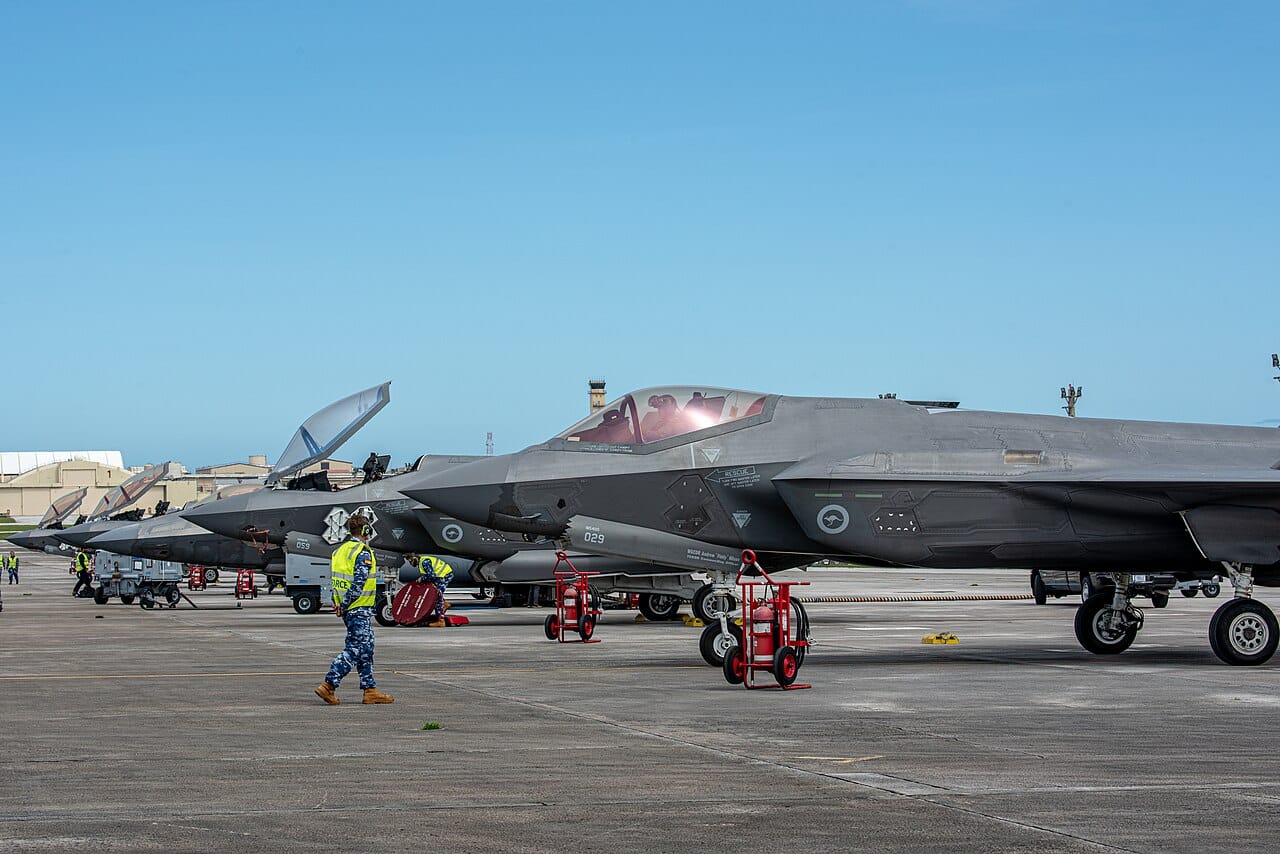
The most uncomfortable fact, the one nobody at Lockheed or the Pentagon publicly admits, is that the programme’s sustainment cost trajectory implies more than $1.5 trillion of future taxpayer spending on a fleet that already exists.
Why FY26 Cut the Buy in Half
The Air Force’s response in the FY2026 budget is one of the cleanest signals about Pentagon priorities in years. Of the 47 F-35s funded in FY26 across services, the USAF’s share is just 24 — down from 48 previously projected. That is a 50% cut to new production buy, redirected into sustainment.
About $1 billion of new spares spending. New readiness contracts. A renewed push on supply-chain reform. The Pentagon is officially betting that the way out of the F-35 cost trap is not more aircraft — it is fewer aircraft, kept flying harder.
F-35 sustainment costs continue to rise while planned use and availability have decreased. The Department of Defense must cut billions in estimated costs to achieve programme affordability.
What This Means for the Allies
If the F-35 is too expensive for the US Air Force to fly at planned rates, what does it mean for the 15+ partner nations and FMS customers operating the type? Italy already dumped Boeing for Airbus tankers partly because the KC-46 is in a similar readiness crisis. Belgium has committed to handing its entire F-16 fleet to Ukraine by 2029 as its F-35s arrive, rather than paying to keep the old jets airworthy. Switzerland is openly renegotiating its F-35 deal as costs balloon past the original $7 billion ceiling.
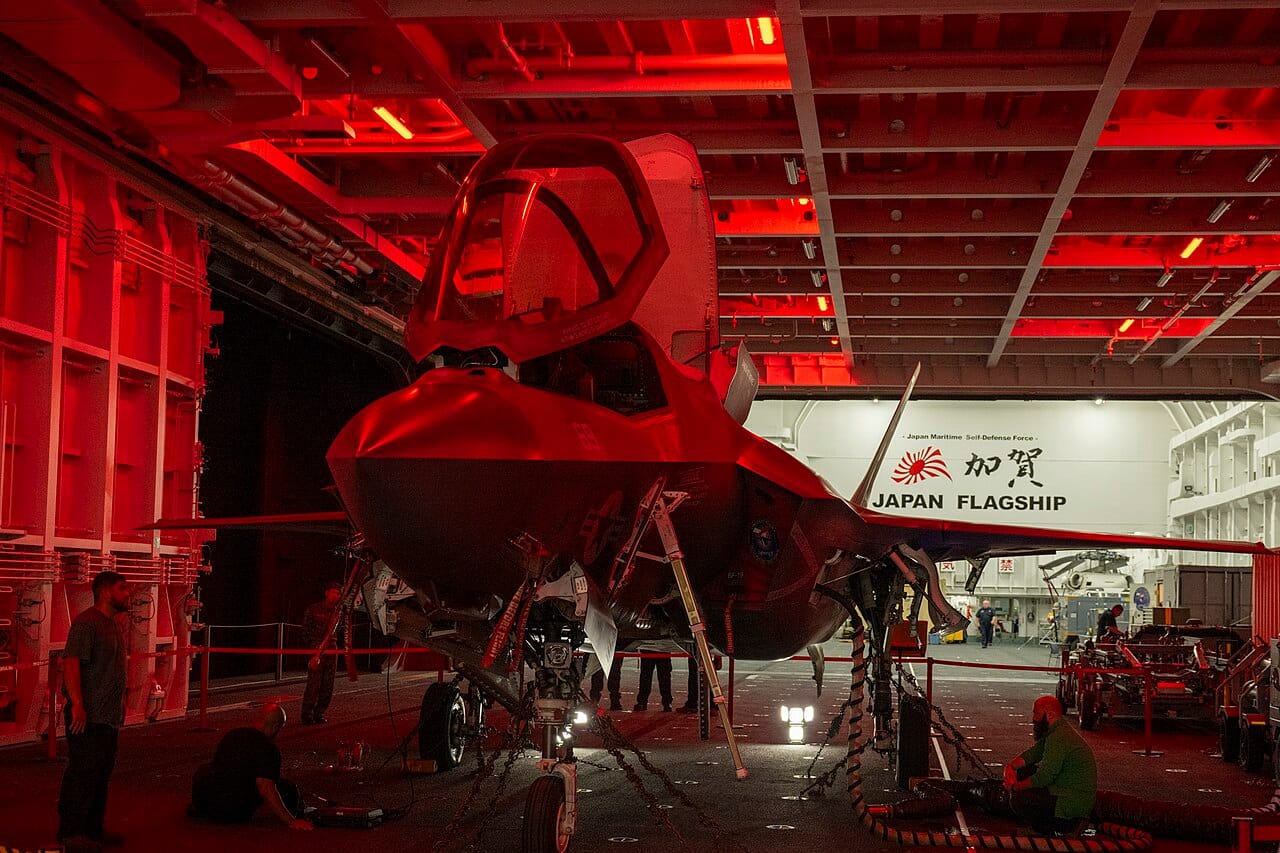
The deeper question is whether the F-35 model — a single platform across three services, three variants, dozens of nations — was ever financially sustainable. The Lightning II is by every operational metric a magnificent aircraft. By the metrics that determine whether you can field it in numbers and fly it at high tempo, the picture is grim.
For FY27 and beyond, the Pentagon’s choice is binary: figure out how to dramatically reduce sustainment costs, or admit that the planned fleet of roughly 2,500 F-35s will never exist. Right now, neither option is going well.
Sources: Government Accountability Office report GAO-24-106703; Air & Space Forces Magazine; Defense News; Responsible Statecraft.

 English
0 Comments