
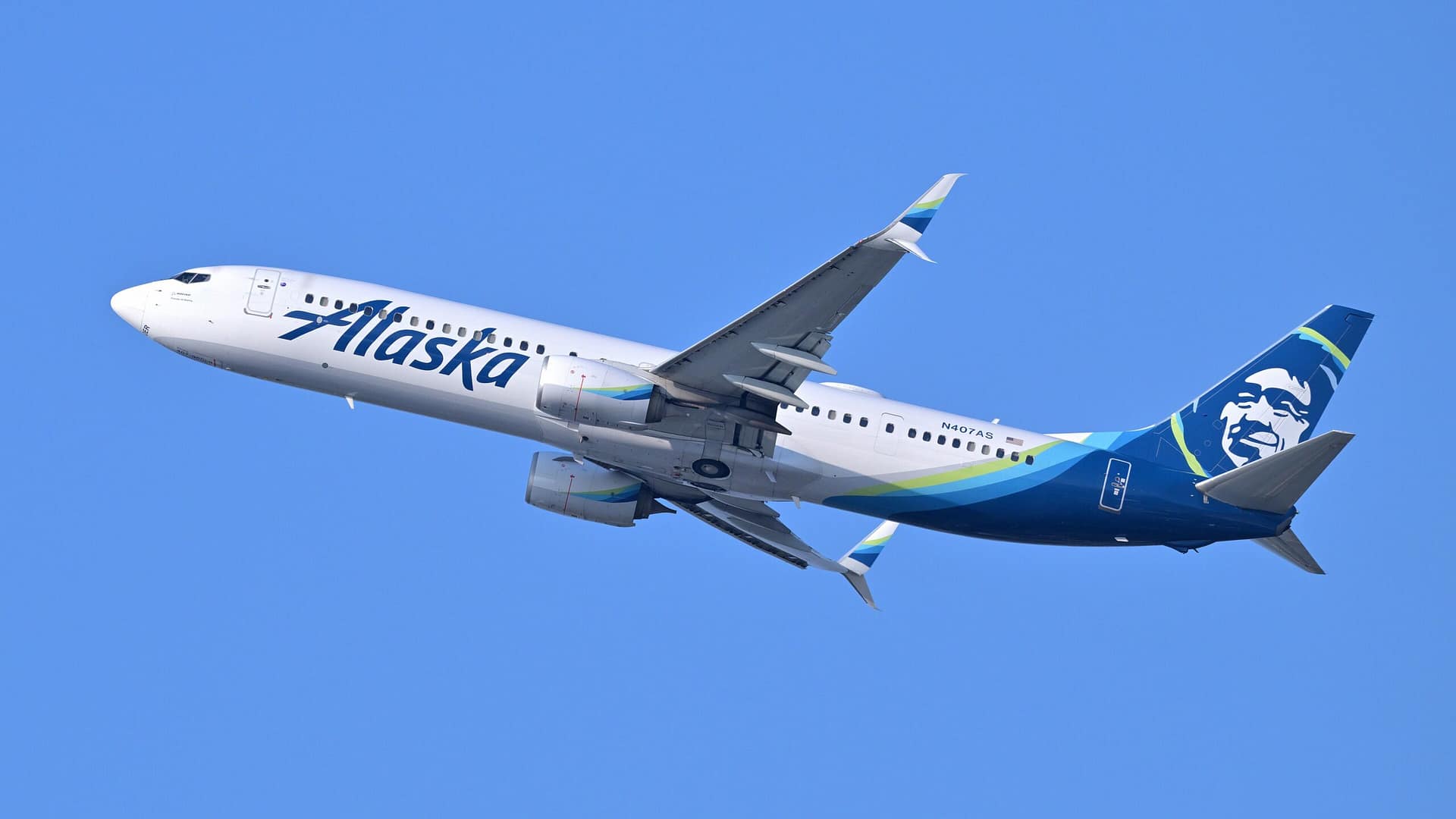
The Boeing 737 MAX 8 is not the aircraft you would design for the North Atlantic. It is single-aisle, range-limited, and built around a route map that runs Seattle, Las Vegas, San Diego, Phoenix. On 28 May 2026, Alaska Airlines is flying one to Reykjavik anyway — daily, seasonally, from Seattle-Tacoma — and inaugurating the carrier’s first transatlantic destination using exactly the kind of narrow-body that Aer Lingus, JetBlue and Icelandair have all proved can make the crossing work.
For Alaska, fresh off its $1.9 billion Hawaiian Airlines acquisition, the Reykjavik launch is the second piece of an aggressive long-haul move. The first was its inaugural transatlantic flight from Seattle to a European hub in April. The second is this: a 737 MAX 8 on a North-Atlantic great-circle, eight-and-a-half hours each way, into the city most American leisure travellers want to see at least once.
Quick Facts
Launch date: 28 May 2026
Route: Seattle-Tacoma (SEA) ↔ Reykjavik Keflavík (KEF)
Aircraft: Boeing 737 MAX 8
Frequency: Daily, seasonal (May–October)
Flight time: ~8h 25m eastbound, ~7h 15m westbound
Alaska’s second transatlantic route ever
A single-aisle on the North Atlantic
This is now a regular pattern. The 737 MAX 8 — like the A321neo XLR that started serving Aer Lingus’s Dublin-Raleigh route in April — has the range to cross the Atlantic on a great-circle route from any West Coast hub. From Seattle, Reykjavik sits at exactly the kind of distance the MAX 8 was built for: long enough that the airframe pays off versus a wide-body, short enough that two crews can sleep on the ground rather than in the back of the plane.
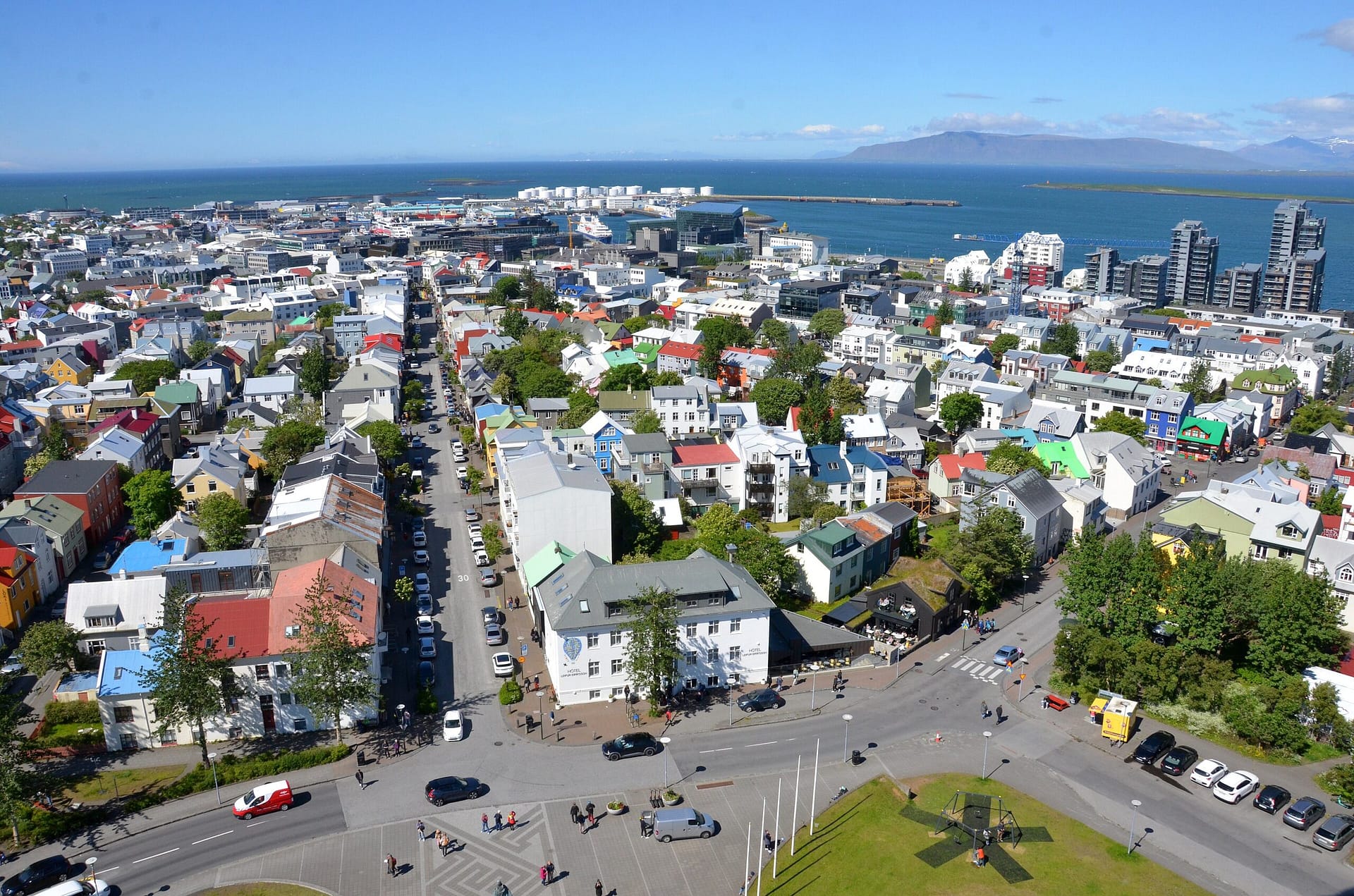
The economics also benefit from one of the world’s most efficient airports. Keflavík handles 8 million passengers a year through a single terminal designed for fast transfer. American visitor arrivals into Iceland tripled between 2013 and 2019, levelled off during the pandemic, and have grown by roughly 8 percent annually since. The bulk of those passengers used to arrive on Icelandair via JFK or Boston. Alaska’s Seattle flight opens the same door from the Pacific Northwest.
What Alaska is actually doing
The wider context is Alaska’s strategic pivot. The carrier acquired Hawaiian Airlines in late 2024 — closing the deal in March 2025 — and inherited a long-haul widebody fleet (A330s, 787s) for the first time in its history. That widebody capacity now flies Hawaiian routes and a small handful of transpacific flights. The narrowbody Reykjavik launch is, in industry terms, the experiment: can the Alaska brand, built on West Coast leisure, extend to a transatlantic destination? If Reykjavik works, Dublin, Edinburgh, Manchester and Lisbon are all geographically and aircraft-feasibly within reach.
Iceland’s tourism math, in one number
Tourism is the single largest sector of the Icelandic economy. The country received 2.3 million visitors in 2024 against a permanent population of 393,000 — a six-to-one tourist-to-resident ratio that exceeds every other European destination including Spain. Roughly 28 percent of those visitors come from the US, and the Pacific Northwest has historically been underrepresented because of the indirect routing.
Alaska’s flight changes that calculus. Daily seasonal service from Seattle means a Pacific Northwest traveller can leave on a Friday evening and be hiking the Reykjanes peninsula by Saturday morning. For Icelandic tourism operators, it is one of the highest-value route launches of the year. For Alaska, it is the start of an experiment that — if it works — will turn the airline from a West Coast leisure carrier into a transatlantic player by the end of the decade.
Sources: Aviation Week, Alaska Airlines, Isavia (Icelandic airports authority).

 English
0 Comments