
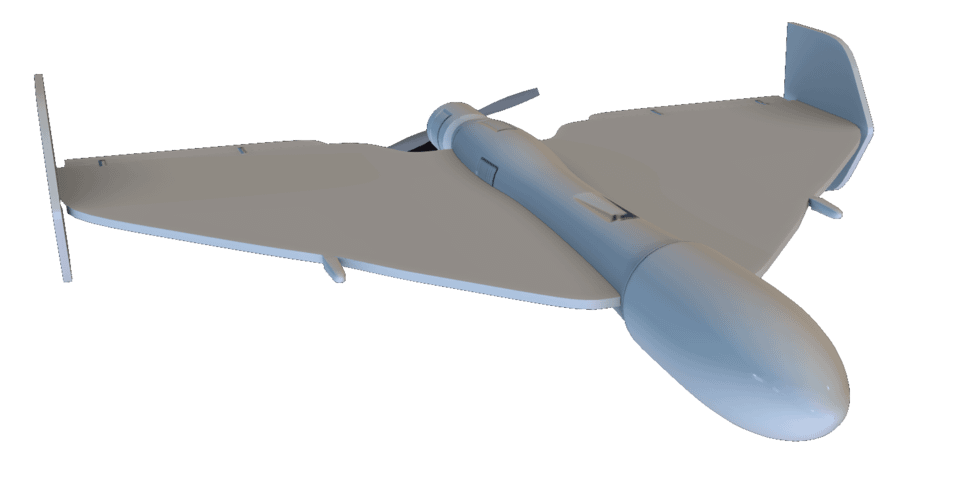
On May 29, the warhead of an Iranian-made Shahed drone detonated on the roof of an apartment building in Galați, eastern Romania. Two people were injured. Several more were evacuated while firefighters fought the blaze. It was the first time a Russian drone had ever hurt anyone on NATO soil.
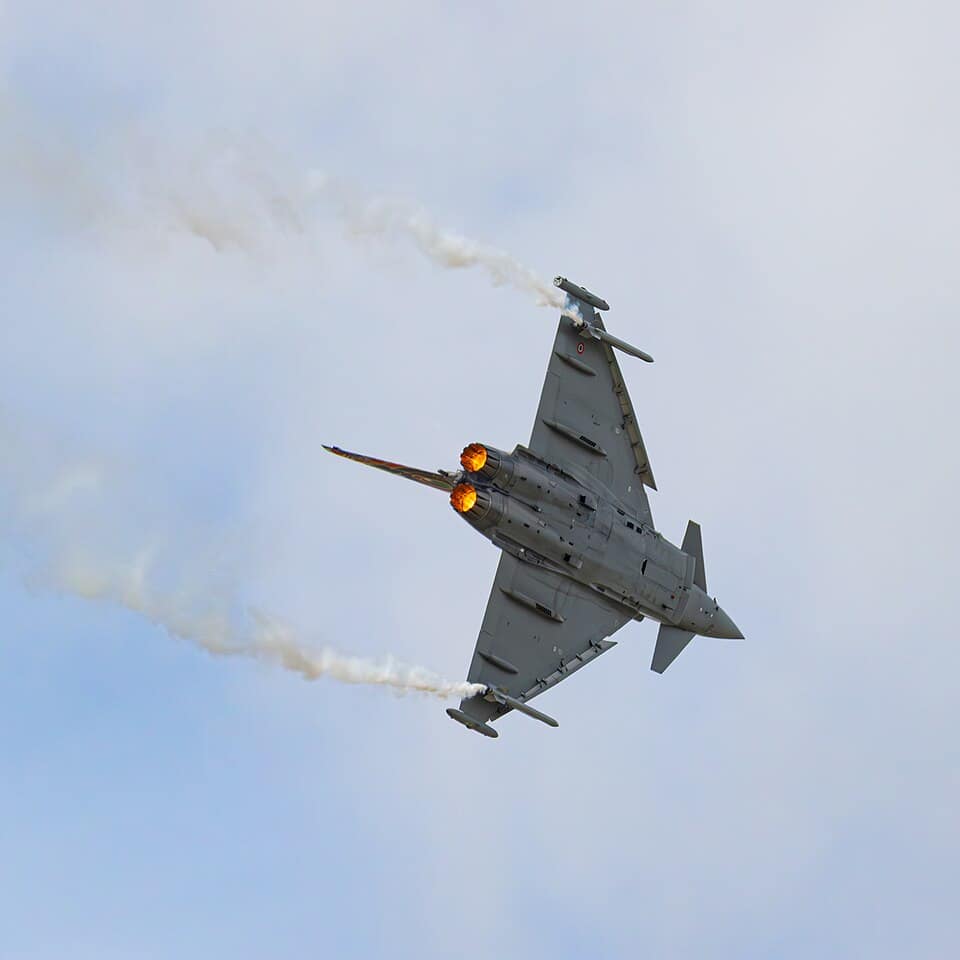
Two days later, Italy announced it was sending approximately 100 troops and fighter jets to Romania. The deployment, originally scheduled for a later date, was accelerated directly because of the Galați strike. The Italian contingent will arrive at Mihail Kogălniceanu Air Base near Constanța on June 15 for a month of counter-drone training with Romanian forces. The message to Moscow is unmistakable: hit a NATO apartment building, and NATO sends jets.
This is not a routine Air Policing rotation. Italian defence officials were careful to distinguish the deployment from standard NATO patrols. This is bilateral training with a specific operational focus — teaching Romanian forces the latest methods for detecting, tracking, and physically destroying hostile unmanned systems.
Quick Facts
- Trigger: Shahed drone struck apartment building in Galați, Romania, May 29 — first injuries from a Russian drone on NATO territory
- Deployment: ~100 Italian troops + fighter jets to Mihail Kogălniceanu Air Base, Constanța
- Start date: June 15, 2026; duration approximately one month
- Focus: Counter-drone detection, tracking, and destruction training
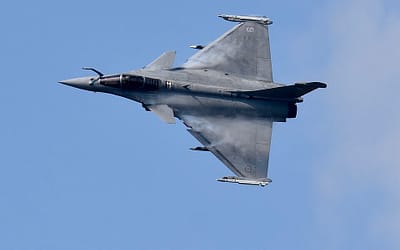
- Aircraft: Italian Air Force jets (likely Eurofighter Typhoons), plus counter-drone systems
- Context: Separate from standard NATO Air Policing — this is a bilateral training mission
The Galați Strike
Galați sits on the Danube, barely 15 kilometres from the Ukrainian border. Romania’s Defence Ministry confirmed that the Shahed was tracked by radar as it crossed into Romanian airspace before slamming into the apartment roof. The warhead detonated on impact. Previous drone fragments had landed on Romanian territory — including in Galați in April — but in remote areas where no one was nearby. This time, people were home.
NATO Secretary-General Mark Rutte spoke with Romania’s president and expressed “absolute solidarity,” affirming that “NATO stands ready to defend every inch of Allied territory.” Romania immediately requested faster delivery of anti-drone capabilities from the alliance.
Why Italy?
Italy is one of NATO’s largest contributors to eastern European security and already maintains a significant military footprint in Romania. The Mihail Kogălniceanu Air Base, where the Italian contingent will be stationed, is NATO’s primary forward operating base on the Black Sea — a sprawling facility that has expanded dramatically since Russia’s 2022 invasion of Ukraine.
The choice of fighter jets alongside counter-drone specialists is deliberate. Shooting down a slow, low-flying Shahed with an F-16 or Eurofighter is technically feasible but tactically wasteful — each intercept costs more than the drone itself. The real training value lies in integrating air defence layers: radar detection, electronic warfare, gun-based close-in systems, and fighter intercepts as a last resort for drones that penetrate lower tiers.
A Line in the Air
Romania is not at war. Romania is a NATO member. And a Russian munition just detonated on a Romanian rooftop. The legal and political implications are enormous. Article 5 — NATO’s collective defence clause — was not invoked, but the Galați strike brought the alliance closer to that threshold than any incident since the 2022 missile that hit Przewodów, Poland.
Italy’s rapid deployment is the practical answer to a question NATO has been debating for years: what do you do when Russian drones keep landing on your territory? The answer, apparently, is you train your forces to kill them before they land. The jets arriving at Kogălniceanu in June will be part drill and part deterrent — a visible reminder that NATO’s patience with stray Shaheds has limits.
Sources: Kyiv Post, RBC-Ukraine, La Repubblica, Babel.ua, NPR, PBS News
Related Posts
 English
0 Comments