
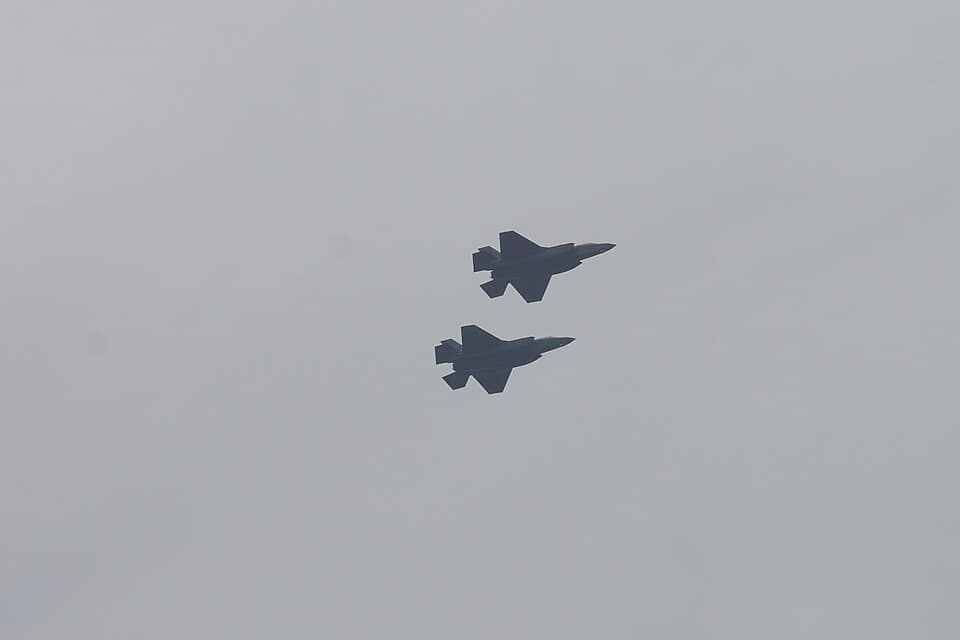
If you live in central Wisconsin and hear jets rattling the windows for the next two weeks, that is Sentry North. The 2026 edition of the Air National Guard’s major combat training exercise kicked off on June 1 at Volk Field Air National Guard Base, and it will run daily until June 12. F-35A Lightning IIs, F-16 Fighting Falcons, and other military aircraft are filling the skies between 9:30 a.m. and 4:30 p.m. each day.
Sentry North is not a small exercise. It draws Air National Guard units from across the country to practice the full spectrum of tactical air operations — air-to-air combat, close air support, strike coordination, and integrated air defence in contested environments. The exercise uses Volk Field’s extensive military airspace and ranges, which cover thousands of square kilometres of Wisconsin’s Northwoods.
For the Air National Guard, exercises like Sentry North serve a purpose that goes beyond training. They demonstrate that Guard units — which make up roughly half of the total fighter force — can generate the same combat capability as their active-duty counterparts. In an era when the Air Force is simultaneously fighting over Iran, deterring China in the Pacific, and policing NATO’s eastern flank, the Guard’s readiness is not academic. It is operational.
Quick Facts
- Exercise: Sentry North 2026
- Location: Volk Field Air National Guard Base, Camp Douglas, Wisconsin
- Dates: June 1–12, 2026 (daily, 9:30 a.m.–4:30 p.m.)
- Aircraft: F-35A Lightning II, F-16 Fighting Falcon, and additional military aircraft
- Focus: Tactical air operations — air-to-air, close air support, strike coordination
- Significance: Major Air National Guard readiness exercise demonstrating Guard combat capability
Why Volk Field
Volk Field sits in Juneau County, surrounded by forests and farmland — the kind of sparse terrain that gives military planners thousands of square miles of restricted airspace without bothering too many neighbours. The base has hosted military flying since the 1930s and has become one of the Guard’s premier exercise locations precisely because of its geography: enough space for realistic large-force employment exercises without the airspace congestion that plagues bases closer to major cities.
The Hardwood Range, adjacent to Volk Field, provides air-to-ground training areas where fighters can practice live and simulated weapons delivery. Combined with the air combat manoeuvring areas overhead, the range complex allows a full training sortie — transit, engagement, weapons delivery, and recovery — without leaving Wisconsin airspace.
The Guard’s Growing Role
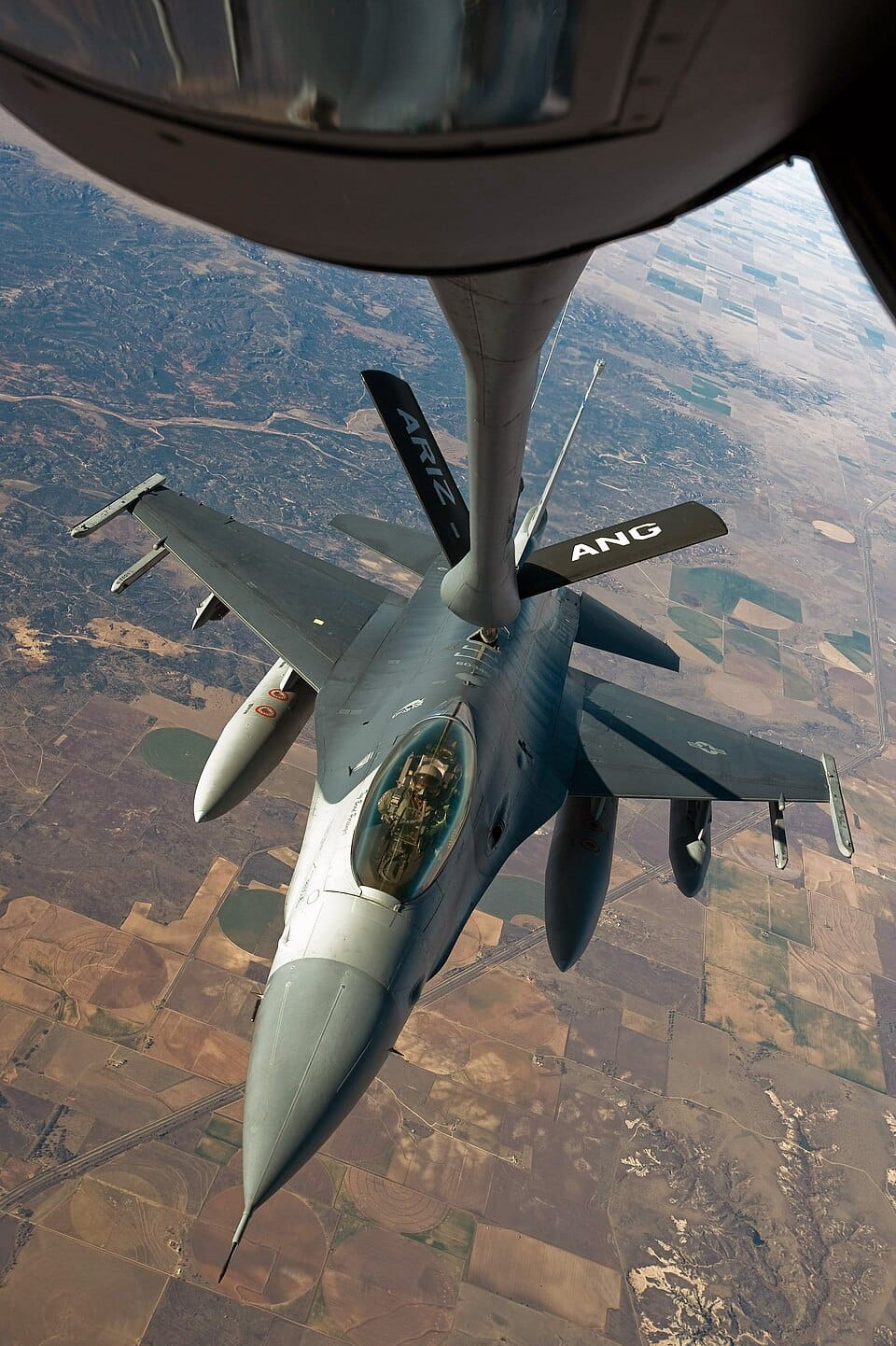
The Air National Guard operates roughly 80% of the Air Force’s F-16 fleet and is receiving an increasing share of F-35As. When a Guard unit deploys to Sentry North with F-35s, it is validating the same combat capability that active-duty squadrons bring to real-world operations. The Guard’s 158th Fighter Wing from Vermont was among the first to receive F-35As, and Guard units have deployed to combat zones alongside active-duty forces for decades.
In the current strategic environment, the Guard’s relevance has never been higher. Active-duty fighter squadrons are stretched across the Middle East, Europe, and the Pacific. Guard units provide the strategic reserve — and exercises like Sentry North ensure that reserve is sharp, current, and ready to deploy on short notice.
For central Wisconsin residents, the next 12 days will be loud. For the pilots in those cockpits, the noise is the sound of readiness being maintained at a moment when the margin for unreadiness has never been thinner.
Sources: WSAW-TV, U.S. Air National Guard, Volk Field ANGB public affairs

 English
0 Comments