
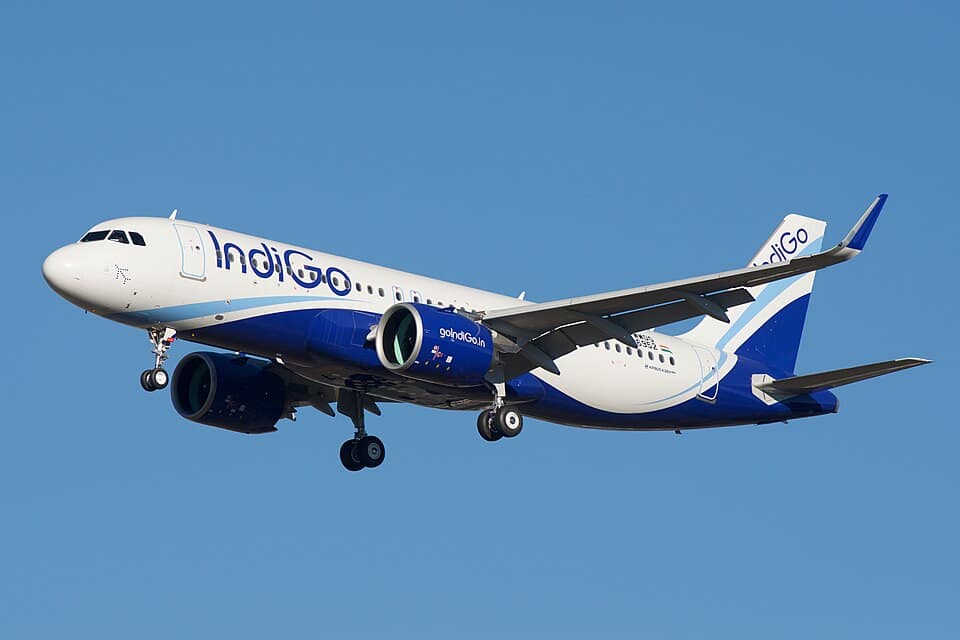
If you asked most Western travelers to name the world’s busiest airlines, you’d hear the usual suspects: American, Delta, United, Ryanair, Southwest. Almost nobody would mention IndiGo. And yet this Indian low-cost carrier, barely two decades old, carried over 123 million passengers in 2025 — making it one of the top ten busiest airlines on the planet. In India’s domestic market, it doesn’t just lead. It dominates, with a 63 percent market share that most airlines can only dream about.
From Startup to Superpower
IndiGo launched operations in August 2006 with a single aircraft and a simple proposition: low fares, on-time flights, and no frills. The airline was founded by Rahul Bhatia’s InterGlobe Enterprises and Rakesh Gangwal, and from the beginning it was modeled on the playbook pioneered by Southwest Airlines in the United States and Ryanair in Europe — high aircraft utilization, quick turnarounds, a single aircraft type, and relentless cost discipline.
What made IndiGo different from dozens of other low-cost startups that tried and failed in India was execution. While competitors like Kingfisher Airlines burned cash on premium service and flashy marketing, IndiGo focused on the unsexy fundamentals: keeping aircraft in the air, keeping costs down, and keeping the schedule reliable. In a market where flight delays were endemic, IndiGo’s relatively punctual operations became a competitive advantage.
The Indian Aviation Boom
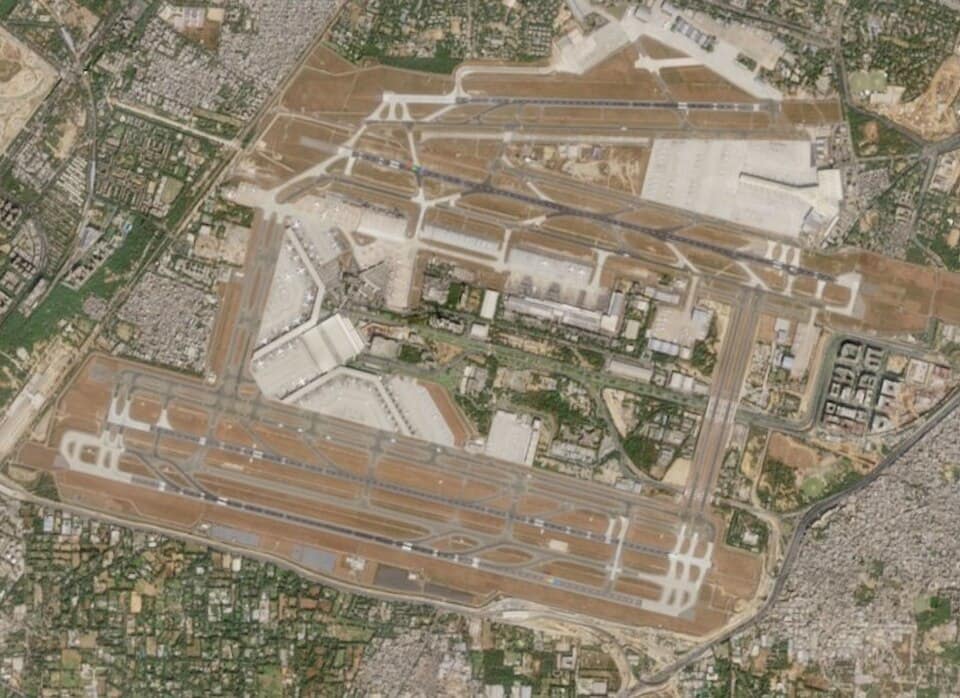
IndiGo’s rise is inseparable from India’s broader aviation explosion. India is now the world’s third-largest domestic aviation market, behind only the United States and China. A growing middle class, declining real airfares, and a vast country where surface transportation is often painfully slow have combined to create enormous and still-growing demand for air travel.
In the 2024-25 financial year, Indian domestic carriers flew over 160 million passengers — a figure that continues to climb. IndiGo captured the lion’s share of that growth, adding routes, frequencies, and aircraft at a pace that would make most airline executives nervous. But IndiGo’s conservative financial management — it has been profitable for most of its existence, a genuine rarity among Indian carriers — gave it the resources to grow aggressively without overextending.
Quick Facts
- Founded,2006
- Headquarters,Gurugram, Haryana, India
- Fleet size,400+ Airbus aircraft
- Passengers (2025),123 million
- Domestic market share,Approximately 63%
- Destinations,120+ domestic and international
- Global ranking,Top 10 by passengers carried
The Single-Type Strategy
Like Southwest with its 737s, IndiGo has built its empire on a single aircraft family: the Airbus A320. The airline operates A320ceo and A320neo variants, plus the stretched A321neo, and has the Airbus A321XLR on order for longer international routes. This single-family strategy delivers the same benefits it does for any carrier — simplified training, maintenance, and operations — but at Indian labor costs, the savings are proportionally even greater.
IndiGo’s fleet now exceeds 400 aircraft, with hundreds more on order. The airline has been one of Airbus’s largest customers globally, and the A321XLR will allow it to push into medium-haul international markets — connecting Indian cities directly to destinations in Europe, Central Asia, and East Africa that currently require connections.
International Ambitions
For most of its history, IndiGo was primarily a domestic carrier. But the airline has been steadily expanding its international network, now serving destinations across the Middle East, Southeast Asia, Central Asia, and Turkey. The A321XLR will extend that reach further, with routes to Athens and other European cities in the pipeline for 2026.
This international push matters because India’s outbound travel market is growing even faster than its domestic market. The Indian diaspora is enormous, business travel between India and the rest of the world is booming, and leisure travel from India’s expanding upper-middle class is a market that every airline wants a piece of. IndiGo’s cost structure gives it a significant advantage in price-sensitive markets.
The Road Ahead
IndiGo’s challenge now is to manage growth without losing the operational discipline that got it here. Indian aviation has a graveyard of airlines that grew too fast — Kingfisher, Jet Airways, Air India under government ownership. The Indian market is brutally competitive on price, infrastructure constraints at major airports create bottlenecks, and engine supply issues have periodically grounded parts of IndiGo’s fleet.
But the trajectory is clear. In a world where aviation growth has slowed in mature markets, India represents the kind of greenfield opportunity that airlines dream about. And IndiGo, with its dominant market position, massive order book, and proven cost discipline, is better positioned to capture that growth than any other carrier in the country. The airline that most Westerners have never heard of may be one of the most important airlines in the world within the decade.



 English
0 Comments