
On November 12, 1996, two aircraft occupied the same point in Indian airspace. In the seconds that followed, 349 people ceased to exist. It remains the worst midair collision in human history—a catastrophe born from language barriers, miscommunication, and a chain of errors that should never have compounded.
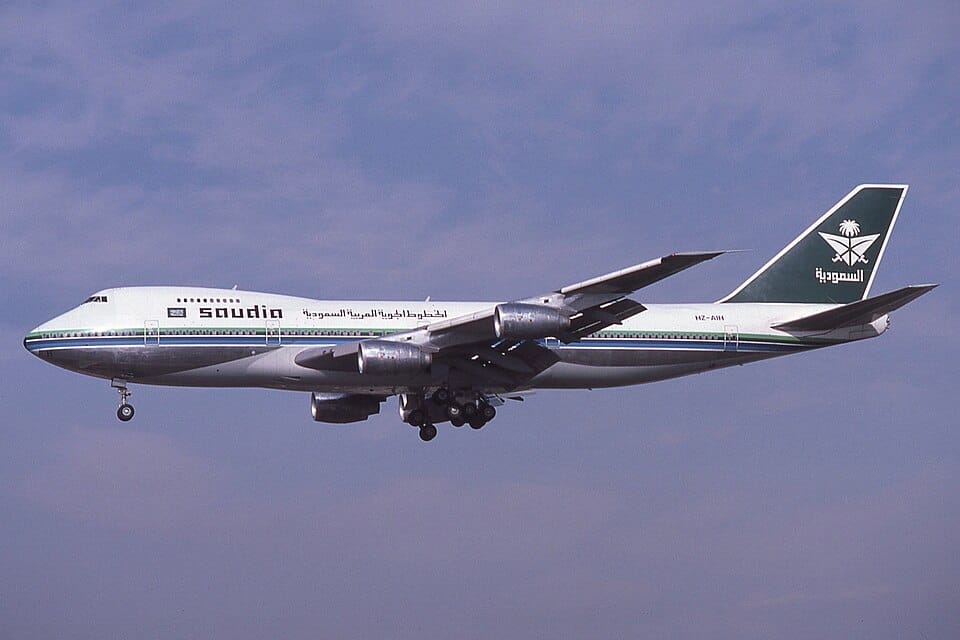
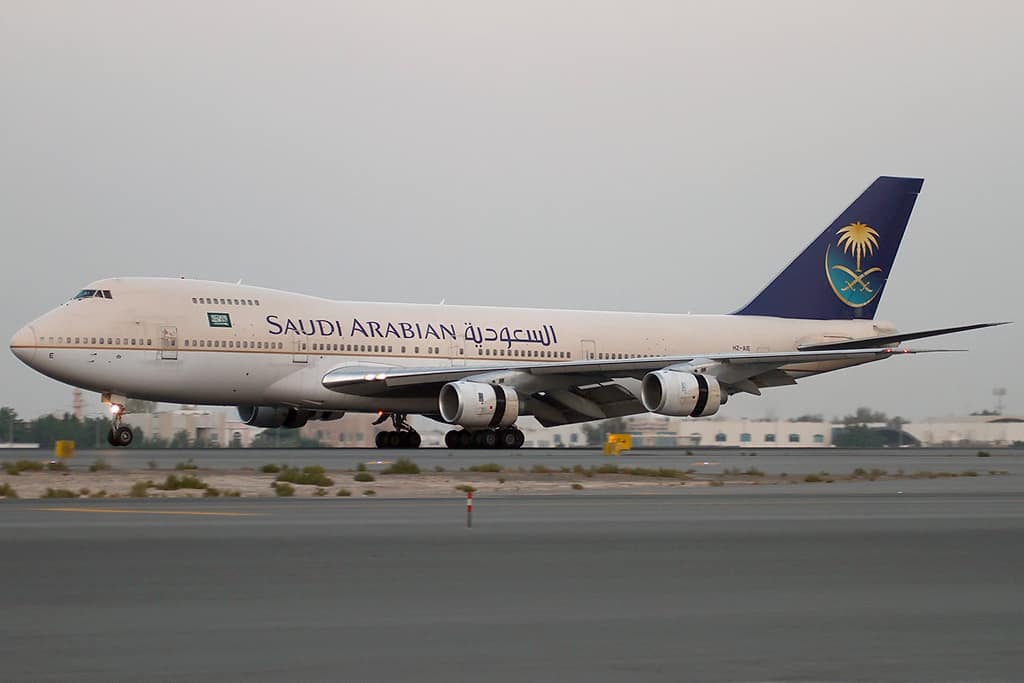
Saudia Flight 763, a Boeing 747 carrying 312 passengers and crew, was descending into Delhi airspace from Jeddah. Kazakhstan Airlines Flight 1907, an Ilyushin Il-76 cargo aircraft with 37 people aboard, was climbing out of Delhi toward Chimkent. At 14,000 feet, they met at Charkhi Dadri, 100 kilometers west of the city.
The impact was total. Neither aircraft survived. Neither crew sent a mayday.
The Anatomy of a Disaster
The investigation revealed a tragic cascade of failures. The Kazakh crew had descended below their assigned altitude of 15,000 feet without authorization. They descended again to 14,500 feet. Then again, lower still. By the time Saudia 763 was passing through 14,000 feet on its own descent, the Kazakhstan Il-76 was already at that altitude.
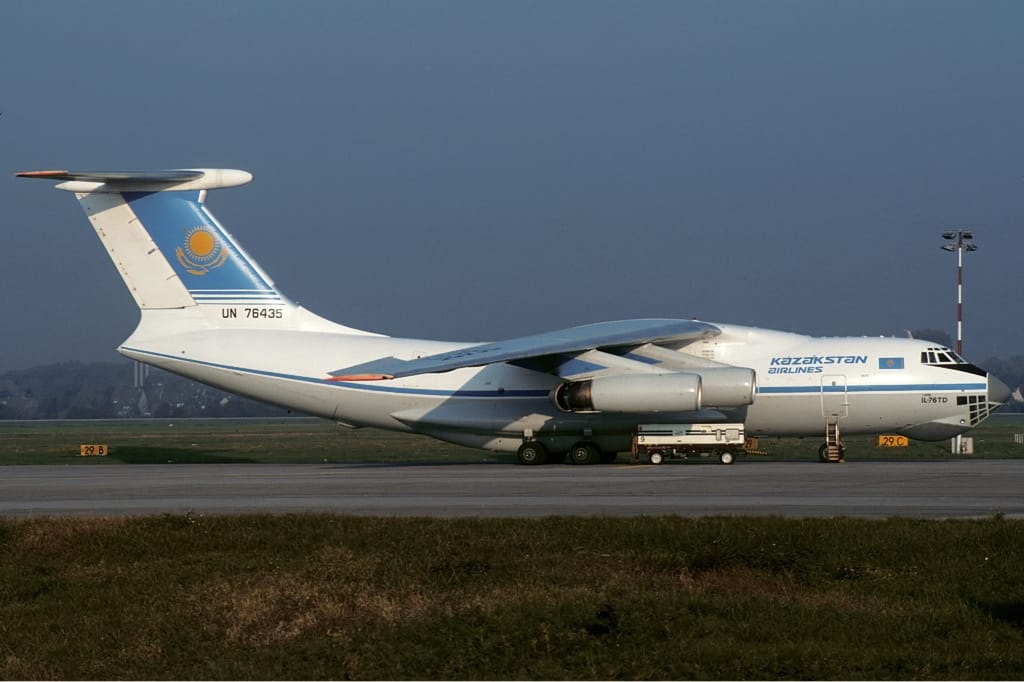
But why had the Kazakh crew violated their assigned altitude? The investigation pointed to a critical, heartbreaking factor: language. The Kazakhstan flight’s pilots spoke limited English. Radio operator Repp was relaying all communications with Delhi Air Traffic Control. When ATC issued an instruction to maintain 15,000 feet, something was lost in translation.
ATC had instructed the Saudia aircraft to descend to 14,000 feet. The Kazakh crew, possibly mishearing or misinterpreting Repp’s relayed instructions, may have believed that 14,000 feet was their assigned altitude—not the Saudi plane’s altitude. Crew resource management failures compounded the problem. No one on the Kazakh flight cross-checked the altitude assignment. No one questioned the descent.
A Collision at the Speed of Sound
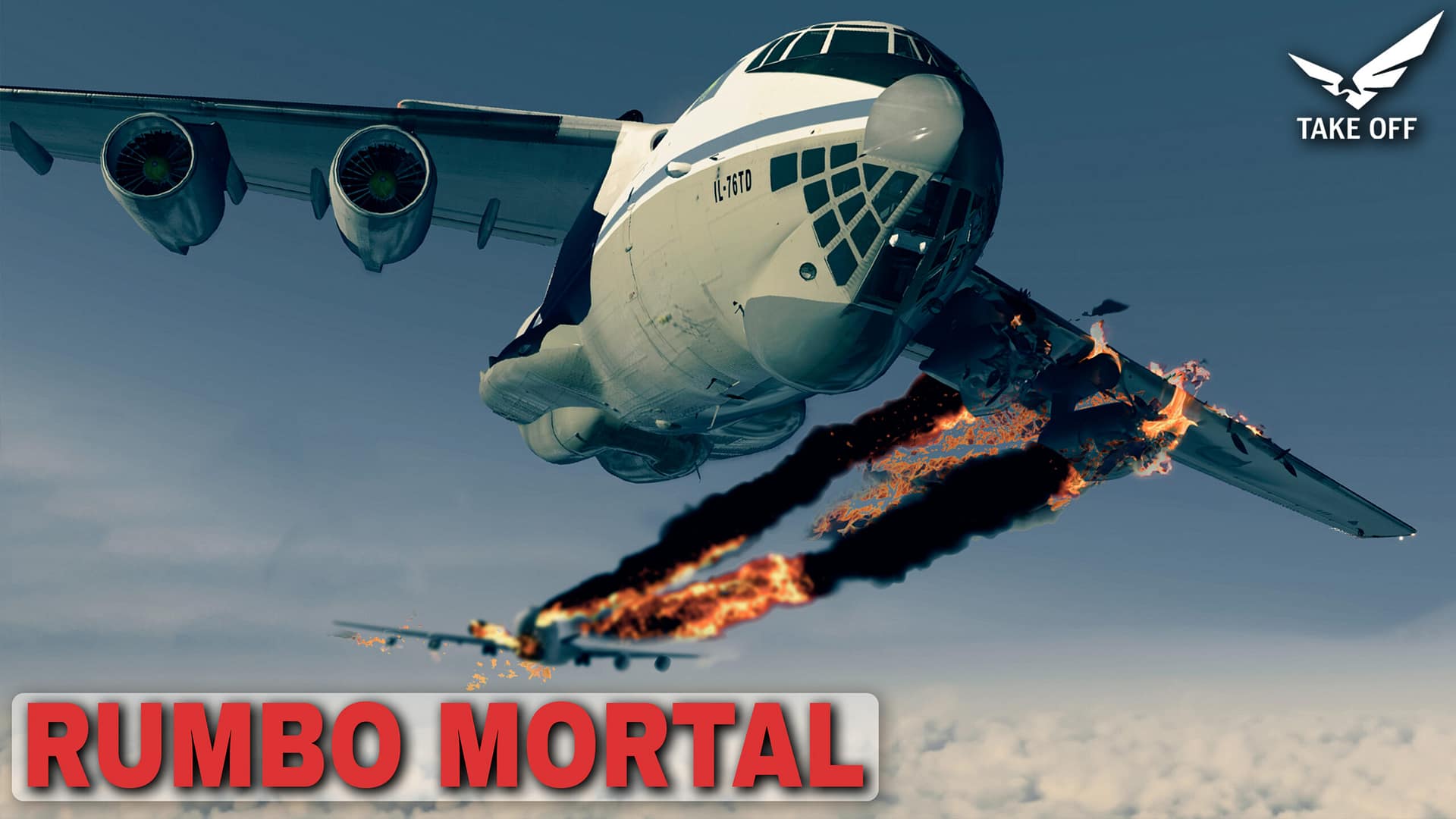
The Boeing 747 and Il-76 struck head-on at combined closing speed exceeding 1,000 mph. Both aircraft disintegrated instantly. Debris fell across the rural farmland south of Charkhi Dadri village. There were no survivors. There were no last words, no heroic final maneuvers, no miracles. Just death on an unimaginable scale.
The 349 victims included 312 Saudi, European, and Asian passengers aboard the 747, along with two Thai flight attendants and ten crew. The Il-76 carried 27 Kazakh crew members and 10 Indian ground engineers. Hundreds of families were fractured in a moment. Hundreds of seats would never be filled again.
The Weight of a Single Word
The tragedy exposed a hidden vulnerability in international aviation: communication across languages and cultures. At 6,000 meters above the earth, words are life. Clarity is survival. The investigation concluded that inadequate English proficiency in the Kazakhstan cockpit, combined with failures in crew resource management, had created a condition where a collision became inevitable.
The report specifically noted that Captain Cherepanov and First Officer Dzhangirov likely misunderstood ATC’s final clearance. Neither pilot questioned the descent, neither pilot cross-checked the altitude assignment against their flight plan. Three specific failures in crew resource management preceded the collision.
It was not a failure of equipment. It was not a failure of procedure. It was a failure of human judgment, compounded by linguistic barriers and organizational culture that discouraged questioning authority.
The Reckoning That Followed
After Charkhi Dadri, Indian airspace underwent radical restructuring. The collision led to sweeping changes in how aircraft communicate with ATC in international airspace. Procedures were scrutinized. Training standards were elevated. International regulations on English language proficiency for pilots were strengthened. The accident became a case study in every military and civilian flight academy on Earth.
The Delhi approach control system was completely reorganized. Secondary surveillance radar coverage was extended. Altitude awareness technology was installed in aircraft that lacked it. The cost of these improvements, in millions of dollars, was far less than the human cost of the disaster.
But no amount of infrastructure improvement can reverse what happened on that morning in 1996. In seconds, 349 lives—passengers heading home, crew doing their jobs, engineers traveling for work—became statistics. Their names are remembered in accident investigations. Their loss is commemorated in aviation safety courses. Their story serves as a permanent warning about the cost of miscommunication in the sky.
Sources: Guinness World Records: Worst Mid-Air Collision, Flight Safety Australia: Tragic Beyond Words
Related Questions
What was the deadliest midair collision in history?
The deadliest midair collision in history was the Charkhi Dadri collision on November 12, 1996, near Delhi, India. A Saudia Boeing 747 and a Kazakhstan Airlines Ilyushin Il-76 struck each other in mid-air, killing all 349 people aboard the two aircraft.
What aircraft were involved in the Charkhi Dadri collision?
The collision involved Saudia Flight 763, a Boeing 747 carrying 312 people and climbing out of Delhi, and Kazakhstan Airlines Flight 1907, an Ilyushin Il-76 cargo aircraft with 37 aboard descending toward Delhi. They met head-on at about 14,000 feet.
How many people died in the Charkhi Dadri collision?
All 349 people on both aircraft were killed — 312 on the Saudia Boeing 747 and 37 on the Kazakhstan Airlines Il-76. Neither crew had time to send a mayday call, and neither aircraft survived the impact.
What caused the Charkhi Dadri midair collision?
Investigators found that the Kazakh Il-76 crew descended below their assigned altitude of 15,000 feet without authorisation, putting them in the path of the climbing Saudia 747. Contributing factors included communication and language difficulties and the lack of modern collision-avoidance equipment.
Where did the 1996 midair collision happen?
The collision occurred over Charkhi Dadri, a town roughly 100 kilometres west of Delhi, India, in airspace controlled by Delhi air traffic control. Both aircraft had only recently been in contact with the same controller.
How are midair collisions prevented?
Midair collisions are prevented through air traffic control, strict altitude assignments, onboard collision-avoidance systems (TCAS) and airborne radar coverage. Technologies such as AWACS radar aircraft that give controllers a god's-eye view and addressing risks like aircrew fatigue all help keep aircraft safely separated.
0 Comments