
The signs are supposed to be obvious. Slurred words at the gate. A stumble down the jet bridge. A voice that carries a little too far across the boarding area. Federal rules give airline staff one job in that moment: do not let that passenger on the plane.
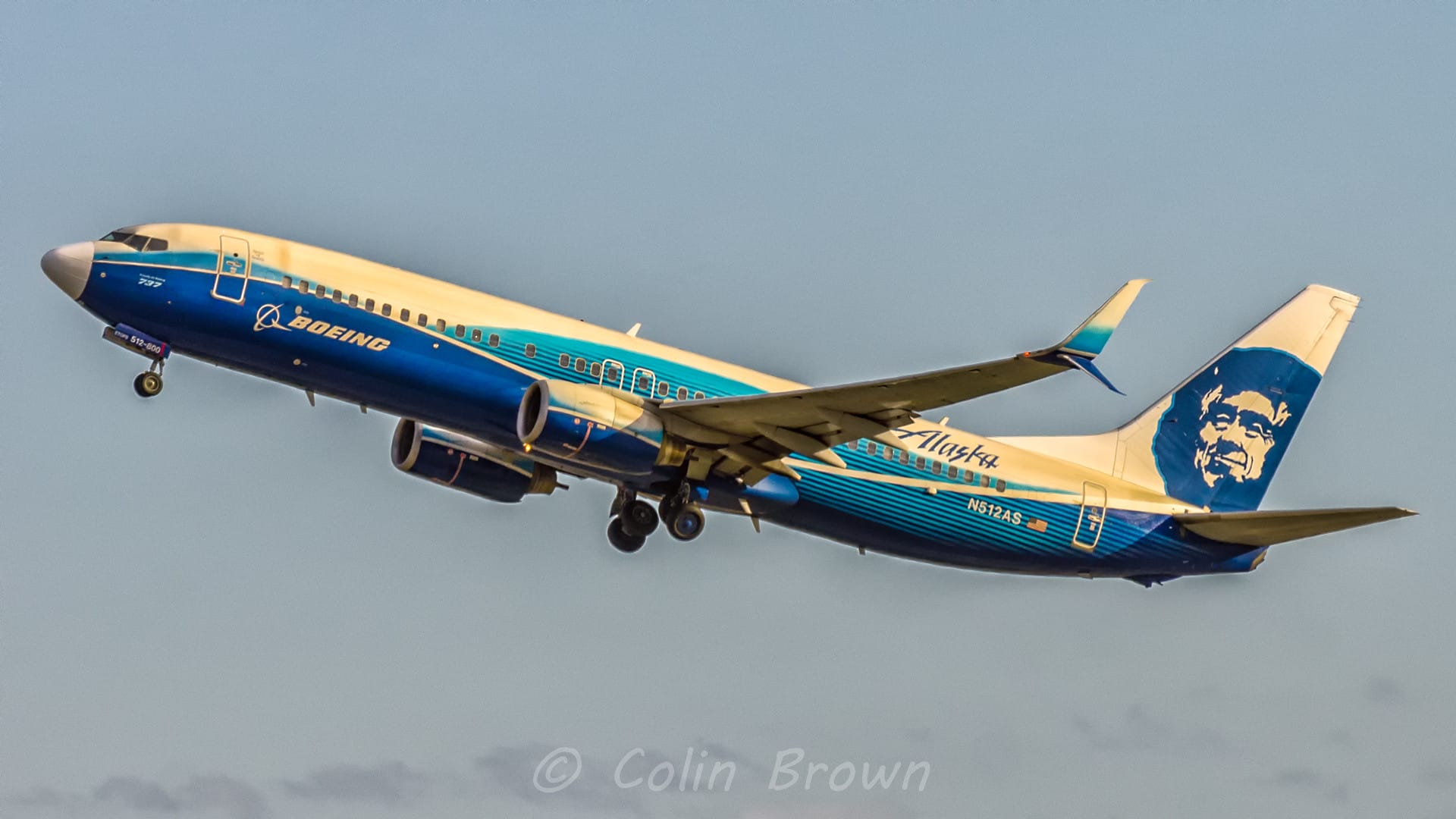
On May 26, 2026, the Federal Aviation Administration said Alaska Airlines missed that cue eleven separate times. The agency proposed a $165,000 civil penalty, accusing the Seattle-based carrier of allowing visibly intoxicated travelers to board flights over a single year.
It is a striking allegation against an airline that built its reputation on operational discipline. And it lands at a moment when the entire industry is wrestling with what to do about alcohol at 35,000 feet.
Quick Facts
- Proposed FAA civil penalty: $165,000
- Alleged violations: intoxicated passengers boarding 11 flights
- Timeframe of incidents: February 2024 to February 2025
- Rule at issue: 14 CFR 121.575, which bars boarding anyone who appears intoxicated
- Alaska Airlines has 30 days to respond or challenge the fine
- FAA can propose up to $43,658 per violation in unruly-passenger cases
What the FAA Actually Alleges
The numbers tell a tidy story. According to the FAA, intoxicated passengers boarded Alaska Airlines flights on 11 occasions between February 2024 and February 2025. The agency announced its proposed $165,000 penalty in a brief, pointed statement.
The rule behind it is decades old and refreshingly blunt. No certificate holder may let a person who appears to be intoxicated step aboard. The same regulation also forbids passengers from drinking their own alcohol in the cabin, and bars crews from serving anyone who already looks impaired.
Alaska now has 30 days from receiving the enforcement letter to respond. It can pay, negotiate, or fight. If it lets the clock run out, the option to challenge disappears entirely.
How an Airline Is Supposed to Catch It
Spotting intoxication is less science than trained instinct. Gate agents and flight attendants are coached to watch for the familiar tells: unsteady footing, glassy eyes, the smell of alcohol, speech that slides and slurs.
The responsibility is layered on purpose. A passenger might slip past one set of eyes at the gate, but the cabin crew gets a second look at the door. On a busy evening departure out of a hub, with hundreds boarding in a tight window, that second look matters.
The stakes are not abstract. An impaired passenger can turn a routine flight into an emergency, fighting crew instructions, lunging at an exit, or simply becoming unmanageable somewhere over the ocean with no way to pull over.
Alaska Airlines Pushes Back, Quietly
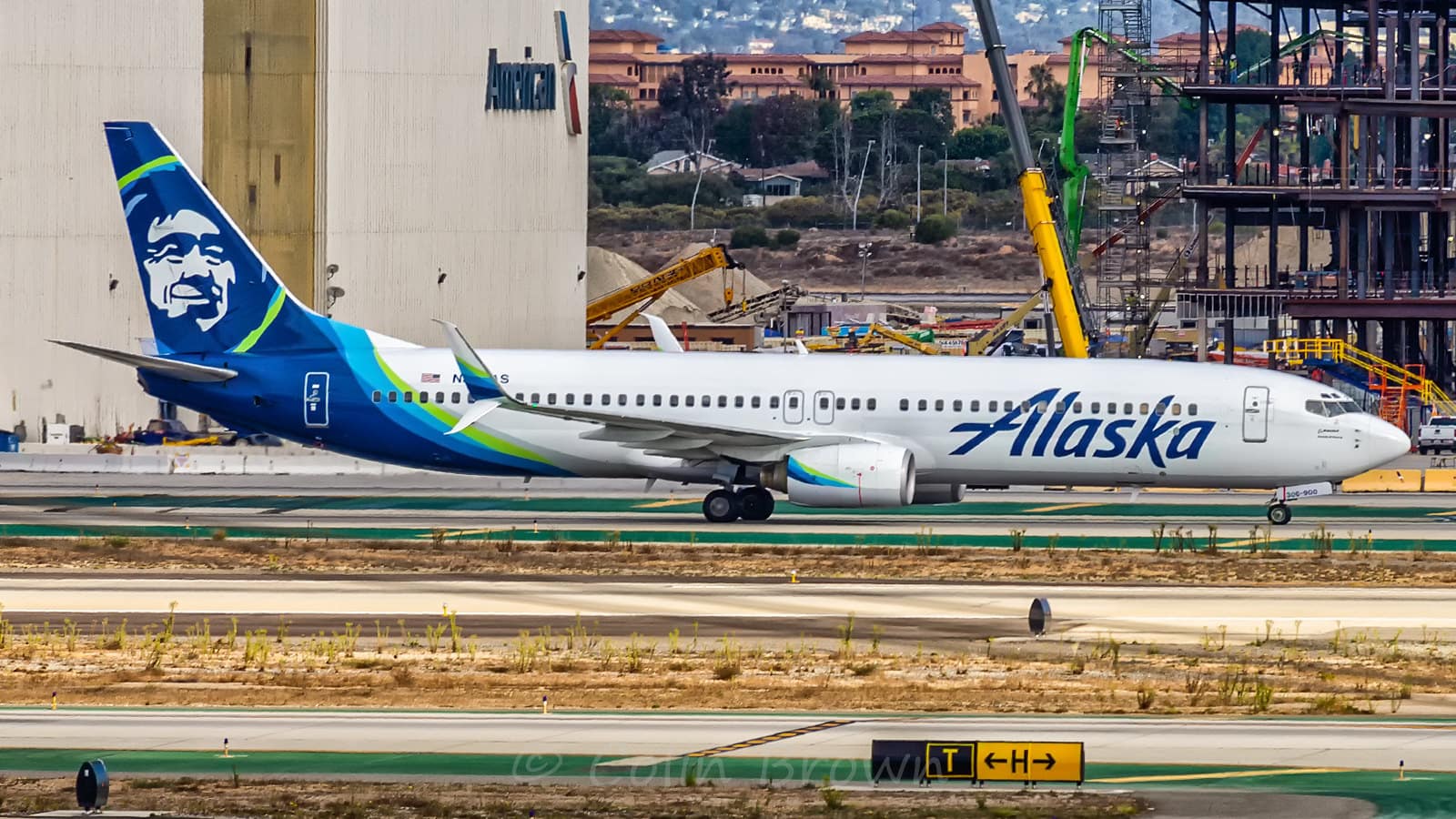
Alaska did not come out swinging. Instead, the carrier framed the episode as old news already addressed, stressing that it cooperated fully with the FAA audit and acted on the findings more than a year ago.
The airline pointed to concrete fixes: enhanced training for every flight attendant and customer service agent, and tighter screening at the gate. It stopped short of saying whether it will dispute the fine itself.
The Bigger Problem in the Cabin
This case is a single airline’s headache, but it sits inside a much larger trend. Disruptive passenger incidents exploded in 2021 and, despite a long decline, have refused to fall back to pre-pandemic calm. Alcohol keeps turning up as a common thread.
The FAA adopted a zero-tolerance policy in 2021 and made it permanent, dropping warnings in favor of immediate enforcement. The agency has referred the worst cases to the FBI and levied millions in fines, with penalties reaching up to $43,658 per violation.
The FAA spells out its zero-tolerance stance on disruptive and intoxicated passengers.
Regulators have grown increasingly blunt about the role of drinking. The rules already on the books target both ends of the problem, the passenger who arrives impaired and the crew that keeps the cart rolling for someone who has clearly had enough.
Why This One Stings
For Alaska, the reputational hit may outlast the financial one. A $165,000 penalty is pocket change for a major carrier. The story it tells, eleven impaired passengers waved aboard, is the part that lingers.
The airline’s bet is that its year of retraining will speak louder than the headline. Whether it pays the fine or fights it, the message from Washington is unmistakable: the gate is the last line of defense, and the FAA expects airlines to hold it.
Sources: Federal Aviation Administration (official enforcement statement and Unruly Passengers data); FLYING Magazine (Meg Godlewski); Alaska Public Media (Mikayla Finnerty); 14 CFR 121.575.
 English
0 Comments