
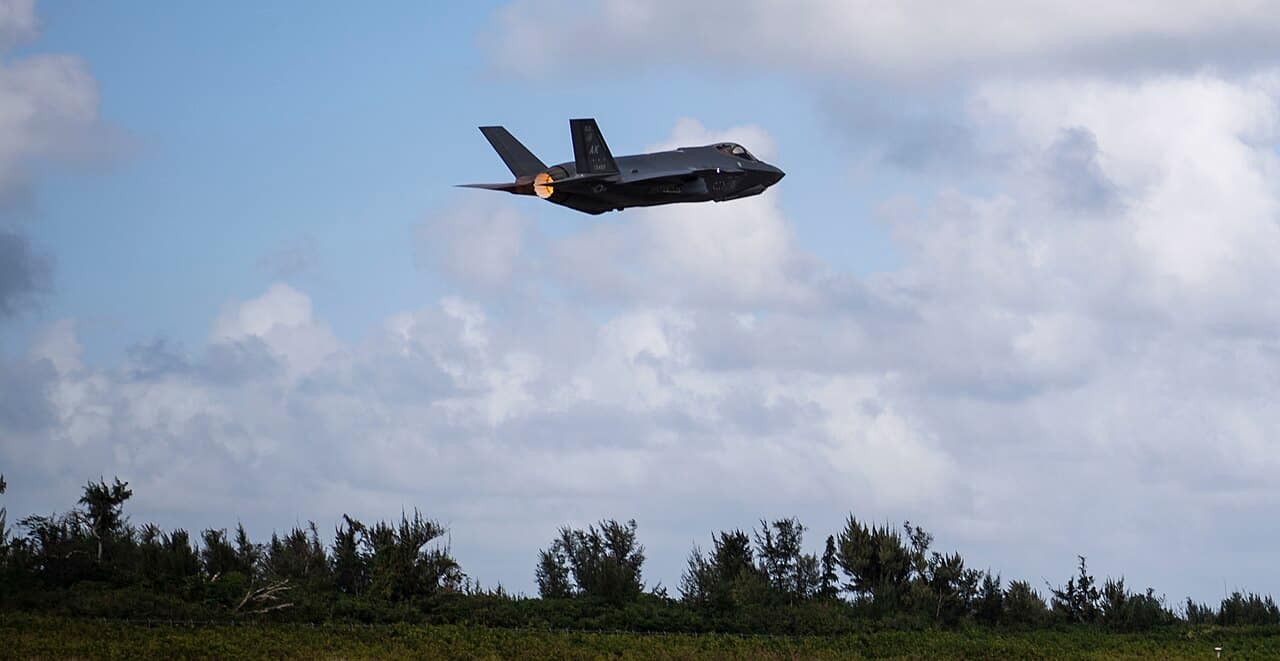
Somebody just ordered eleven F-35 stealth fighters. The Pentagon won’t say who.
On June 9, 2026, the U.S. Navy awarded Lockheed Martin a $154 million contract to begin buying long-lead components for eleven F-35 Lightning IIs destined for a foreign military customer — a customer the announcement pointedly declined to name. It didn’t even reveal which version of the jet they’re buying.
In a program with more than a thousand jets flying across two dozen nations, an anonymous order is unusual enough to set off a guessing game.
Quick Facts
- Contract: $154 million, awarded June 9, 2026
- For: Long-lead parts for 11 F-35 Lightning II fighters
- Customer: Undisclosed Foreign Military Sales buyer
- Variant: Not specified (A, B or C)
- Work: Fort Worth, Texas, with UK and Italy sites
- Completion: Expected December 2030
Why Order Parts Before You Order the Jets?
Long-lead procurement sounds dull, but it’s the tell here. Certain F-35 components — advanced electronics, engine parts, specialised composites — take years to build. So buyers commit money for those parts well before the main production contract is signed, to keep their delivery slot. An order like this means a deal is essentially locked, even if it isn’t public.
So Who Is It?
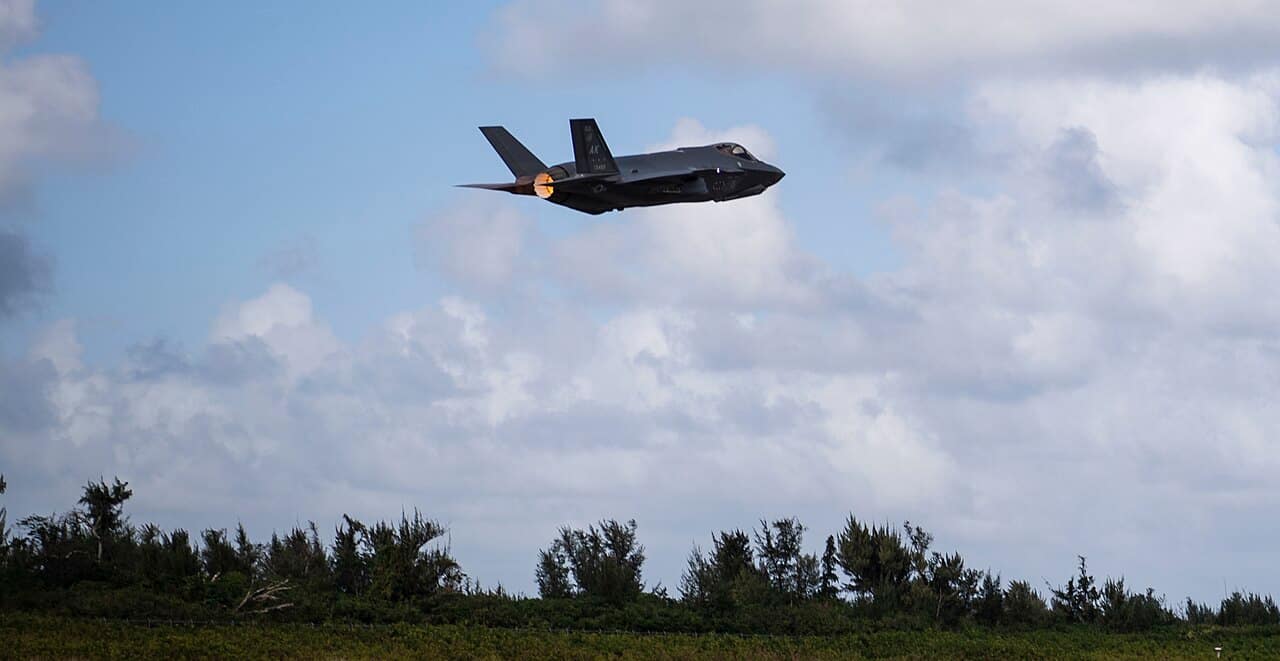
The Pentagon’s silence is doing the marketing. Countries that have recently selected the F-35 or are expanding existing plans — Greece, Romania, Singapore and the Czech Republic among them — are the obvious suspects. The choice of variant would narrow it further: the F-35B jump-jet points to a very different buyer than the conventional F-35A.
Whoever it is, eleven jets is a meaningful squadron-sized commitment, and another data point in the F-35’s relentless export march. The name will surface eventually. For now, it’s the most expensive secret on the production line.
Sources: U.S. Navy / Department of Defense contract announcement; Defense Blog; FlightGlobal; Air Data News.

 English
0 Comments