
Where Non-towered (uncontrolled) airport — the most common type of airport in the United States
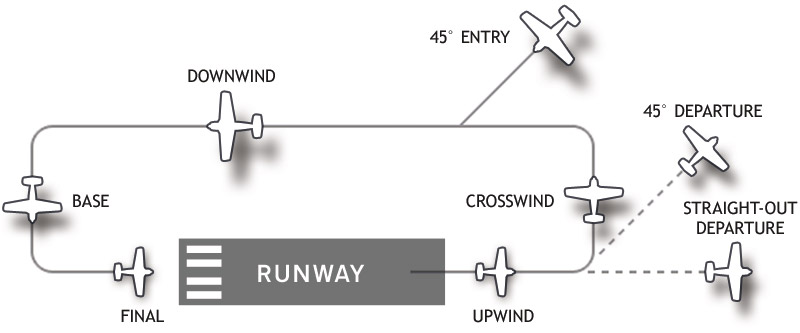
Standard Pattern Left-hand traffic unless otherwise specified; enter on a 45-degree angle to the downwind leg
Common Error Entering the pattern from the wrong side, at the wrong altitude, or on a non-standard leg
NTSB Data Mid-air collisions and near-misses at non-towered airports remain a persistent safety concern
Key Defence See and avoid, CTAF radio calls, standard procedures, and predictability

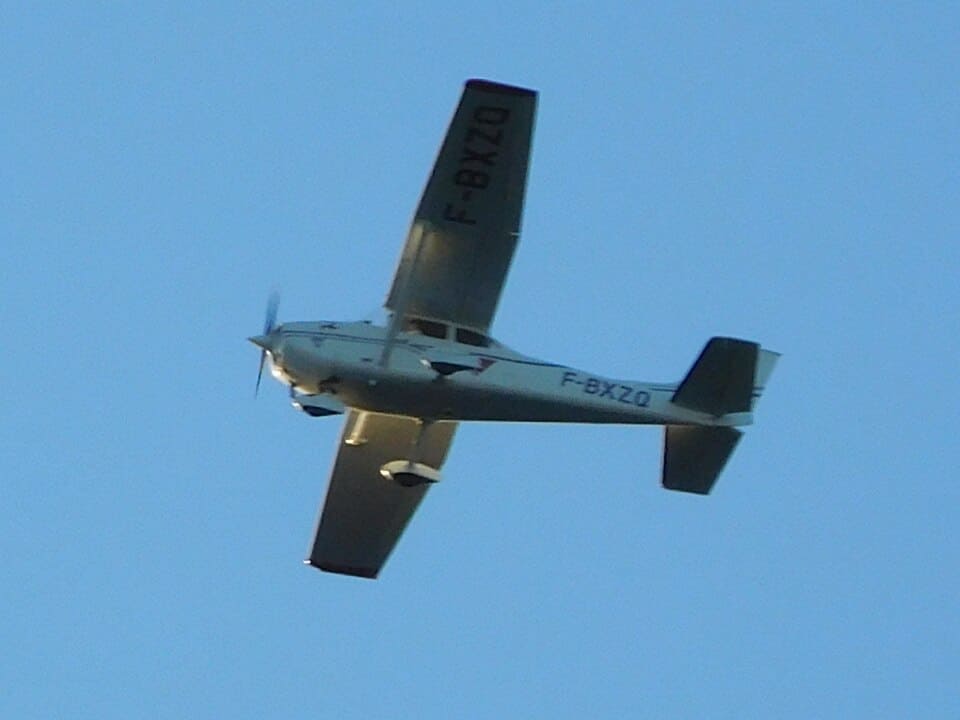
Two aircraft converging at 200 knots of combined closure speed, neither pilot aware of the other until a flash of aluminium fills the windscreen. That is what nearly happened at a non-towered airport when one pilot entered the traffic pattern from the wrong direction — a mistake so common it should be unthinkable, and so dangerous it should be unforgettable.
The case, analysed by Boldmethod, follows a depressingly familiar script. One aircraft is flying a standard left-hand pattern, making the correct radio calls on the CTAF frequency, doing everything by the book. Another aircraft arrives from the opposite direction, enters the pattern on a non-standard leg, and the two converge with no controller to separate them and no time to react.
They missed. Barely. And the only thing that prevented a fatality was luck — the same fragile, unreliable defence that the aviation safety system has spent decades trying to replace with procedures and technology.
The Invisible Highway
At a towered airport, air traffic control tells you where to go, when to turn, and who to follow. The system works because a human being with a radar screen is managing the traffic. At a non-towered airport — and there are thousands of them across the United States — there is no controller. The only thing keeping aircraft apart is a shared set of procedures and the assumption that every pilot is following them.
The standard traffic pattern is that shared procedure: a rectangular flight path around the runway, flown at pattern altitude (typically 1,000 feet above the airport), with left-hand turns unless the airport specifies otherwise. Pilots enter on a 45-degree angle to the downwind leg, announce their position on the CTAF (Common Traffic Advisory Frequency), and look out the window for other traffic.
It is a system built entirely on predictability. If every pilot flies the same pattern, at the same altitude, in the same direction, the geometry keeps everyone separated. But when one pilot deviates — entering on a crosswind leg, flying a right-hand pattern at a left-hand airport, or arriving at the wrong altitude — the geometry breaks down. And the see-and-avoid principle, already limited by human vision and reaction time, fails.
How It Goes Wrong
The most common errors at non-towered airports are deceptively simple. A pilot approaches from the opposite side of the pattern and enters on a straight-in final without announcing it. Another pilot flies a right-hand pattern at a left-traffic airport because it is more convenient for their direction of arrival. A third arrives at 1,500 feet in a 1,000-foot pattern, descending through the altitude of established traffic.
Each of these errors puts an aircraft exactly where other pilots are not expecting to find one. At closure rates of 150 to 250 knots combined, two converging aircraft cover the length of a football field in about one second. Even a vigilant pilot scanning for traffic has precious little time to see, process, and react.
Radio calls help, but only when every pilot is on frequency, listening, and accurately reporting their position. In practice, some pilots do not have radios. Others are on the wrong frequency, or transmitting calls that are vague enough to be useless — "Cessna inbound from the south" tells you almost nothing about where to look.
The Fix Is Free
The solution to most non-towered airport conflicts is not technology or regulation — it is discipline. Fly the published pattern. Enter on the 45 to downwind. Fly at pattern altitude. Make clear, specific radio calls with your position and intentions. And look outside. The see-and-avoid system only works if pilots are actually seeing and actually avoiding.
ADS-B traffic awareness helps. So does the growing adoption of electronic conspicuity devices. But the foundation remains procedural: be where other pilots expect you to be, doing what the procedures say you should be doing. Predictability is the single greatest mid-air collision defence a VFR pilot has.
The two pilots in this incident went home that night. Next time, at the next non-towered airport, with the next pilot who cuts a corner on the pattern entry, the outcome might be different. The margin was measured in feet. It always is.
Sources: Boldmethod, FAA Advisory Circular 90-66C, AOPA Air Safety Institute


 English
0 Comments