

Quick Facts
Date: April 10, 2026
Location: Kattegat strait — between Sweden and Denmark
Russian vessel: Kilo-class diesel-electric attack submarine
Swedish response: JAS 39 Gripen fighters (airborne overwatch) + Visby-class corvette (surface tracking)
Context: Russian submarine transits through Scandinavian waters have become a near-weekly occurrence
The Kattegat: NATO’s Northern Chokepoint
The Kattegat is one of the most strategically important waterways in northern Europe. Every Russian submarine heading from the Baltic Fleet’s bases to the open Atlantic must pass through it. The strait is shallow, narrow, and heavily monitored — a natural chokepoint where detection is almost guaranteed if you know what to look for. And Sweden, which joined NATO in 2024, knows exactly what to look for.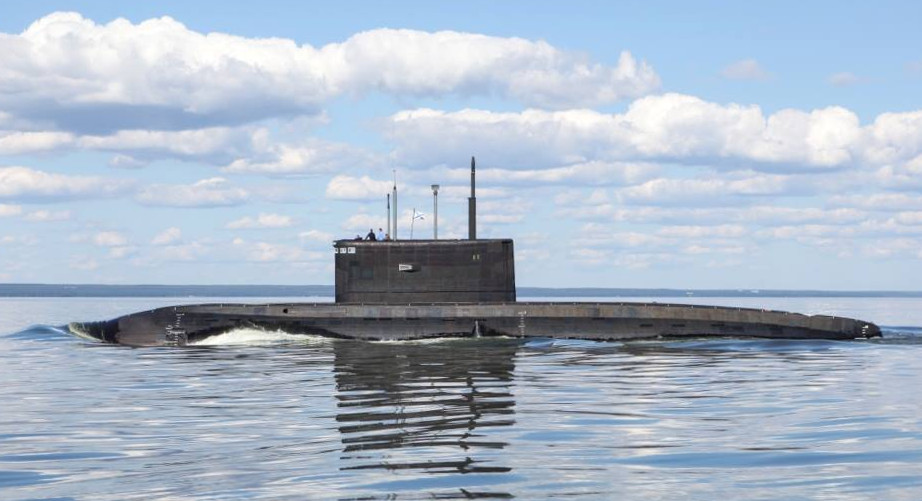
Sweden’s New Role in NATO
Two years ago, these photographs would not have existed — at least not publicly. Sweden’s accession to NATO in March 2024 transformed its military posture from one of quiet vigilance to active deterrence. Publishing intercept photos sends a deliberate signal: Sweden is not merely watching. It is showing that it is watching. The country brings formidable capabilities to the alliance. The Gripen is one of the few Western fighters designed from the ground up for dispersed operations — it can operate from highways, be refuelled and rearmed by conscript ground crews in under ten minutes, and get airborne again before an adversary can target the improvised airstrip. In a conflict scenario where fixed air bases might be hit early, this survivability is priceless. The photographs from the Kattegat are not just documentation. They are deterrence in action — a reminder that the Baltic is no longer a space where Russian submarines move unseen. Sources: The Aviationist, Swedish Armed Forces, Kyiv PostRelated Posts


 English
0 Comments