

Every profession has its internal language — the private jokes, the eye-rolls, the sarcastic notes passed between colleagues who understand each other completely. In aviation, that language lives in the aircraft logbook. Specifically, in the back-and-forth between the pilot who writes the complaint and the maintenance engineer who writes the fix.
The results range from dry to absurd to philosophically troubling. They are, without question, aviation's greatest running joke — and the best ones have been circulating through flight schools, hangar bars, and airline crew rooms for decades.
Here is your curated best-of collection. Plus, because this is MiGFlug and we insist on knowing how things actually work, a proper explainer on what aircraft maintenance logbooks are, why they exist, and why a mechanic once genuinely wrote "cat installed."
Quick Facts: Aircraft Maintenance Logbooks
- Legal requirement: Under FAA 14 CFR §91.417, all U.S. aircraft must maintain up-to-date maintenance records — they are not optional.
- The "squawk": Aviation slang for any deficiency, malfunction, or quirk a pilot reports. The term originates from military aviation.
- Who signs off: Every maintenance entry must include the date, description of work, and the certified mechanic's signature and license number — required under 14 CFR Part 43.
- Pilot form = "gripe sheet": The pilot's section of the log is informally called the gripe sheet, squawk sheet, or aircraft discrepancy log. Whatever you call it, the mechanic has to answer it.
- It's a legal document: In commercial aviation, unresolved squawks can ground an aircraft. This is why engineers must respond — even if the response is, technically, a joke.
- The list below: These entries have circulated in aviation circles since at least the late 1990s, attributed variously to USAF, RAF, and commercial airline crews. Some are almost certainly real. All of them are funnier than they have any right to be.
How the Squawk Sheet System Actually Works

Before we dive into the comedy, a brief mechanical intermission — because understanding the system makes the jokes land harder.
After every flight, the pilot fills out a logbook entry describing any problems noticed during the preflight inspection, the flight itself, or the post-flight walkdown. This is not casual feedback. In commercial aviation, it is a legally binding communication. The aircraft cannot fly again until a certified maintenance engineer has reviewed each entry, investigated the issue, and signed off a corrective action.
The engineer then writes their response in the matching "corrective action" column. And this — right here — is where the magic happens. Because engineers are, as a species, deeply literal people with magnificent senses of humour, and pilots are, as a species, spectacularly gifted at writing vague complaints.
Good to Know: How Aircraft Maintenance Actually Works

Aircraft maintenance in commercial aviation is governed by two regulatory frameworks: FAA Part 43 (in the US) and EASA Part-M (in Europe). Maintenance technicians — officially Aircraft Maintenance Technicians (AMTs) — must hold FAA Mechanic Certificates covering either Airframe, Powerplant, or both ratings. Getting there requires either years of practical experience or completion of a certified Part 147 training programme.
Aircraft are maintained on strict schedules: "A checks" happen every few hundred flight hours (overnight), "B checks" every few months, "C checks" every 1–2 years (taking the jet out of service for weeks), and the fearsome "D check" every 6–12 years — a full teardown and rebuild that can cost over $5 million.
The squawk sheet sits at the front line of all of this. It is the daily dialogue between the person who flies the machine and the person who keeps it alive. Most of the time that dialogue is completely professional. Sometimes, late at night, in a hangar, after the third write-up about a "funny noise" from a pilot who cannot describe where the funny noise came from — the engineering community answers back.
The Greatest Hits: Pilots vs. Engineers

Let us begin with the most famous entry ever committed to an aviation logbook. It has appeared in every corner of aviation culture since at least the late 1990s. Nobody can fully verify its origins. Everybody believes it happened because, honestly, it sounds exactly like something an engineer would do.
Problem: Mouse in cockpit.
Solution: Cat installed.
That entry is either the greatest act of workplace trolling in aviation history, or an engineer's completely sincere, legally documented commitment to biological pest control at 35,000 feet. We choose to believe it is both.
What makes it a masterpiece is the format. "Problem / Solution." Two words each. Perfectly parallel. The engineer gave it exactly as much effort as the pilot did, and somehow produced something timeless.
Now, the rest of the collection.
Problem: Something loose in cockpit.
Solution: Something tightened in cockpit.
Problem: Dead bugs on windshield.
Solution: Live bugs on back-order.
Problem: Evidence of leak on right main landing gear.
Solution: Evidence removed.
Problem: Suspected crack in windshield.
Solution: Suspect you're right.
Problem: Aircraft handles funny.
Solution: Aircraft warned to straighten up, fly right, and be serious.
Problem: DME volume unbelievably loud.
Solution: DME volume set to more believable level.
Problem: Left inside main tire almost needs replacement.
Solution: Left inside main tire almost replaced.
Problem: Test flight OK, except auto-land very rough.
Solution: Auto-land not installed on this aircraft.
The Noise Problem Trilogy

One of the most durable sub-genres of squawk humour involves noise. Specifically, it involves pilots who hear something troubling, write it down in the logbook, and then struggle to describe it with any useful specificity. The engineering community has, over decades, developed a consistent response strategy.
Problem: Noise coming from under instrument panel. Sounds like a midget pounding on something with a hammer.
Solution: Took hammer away from midget.
This one is part of a celebrated three-part saga that engineers apparently found too good to resolve cleanly:
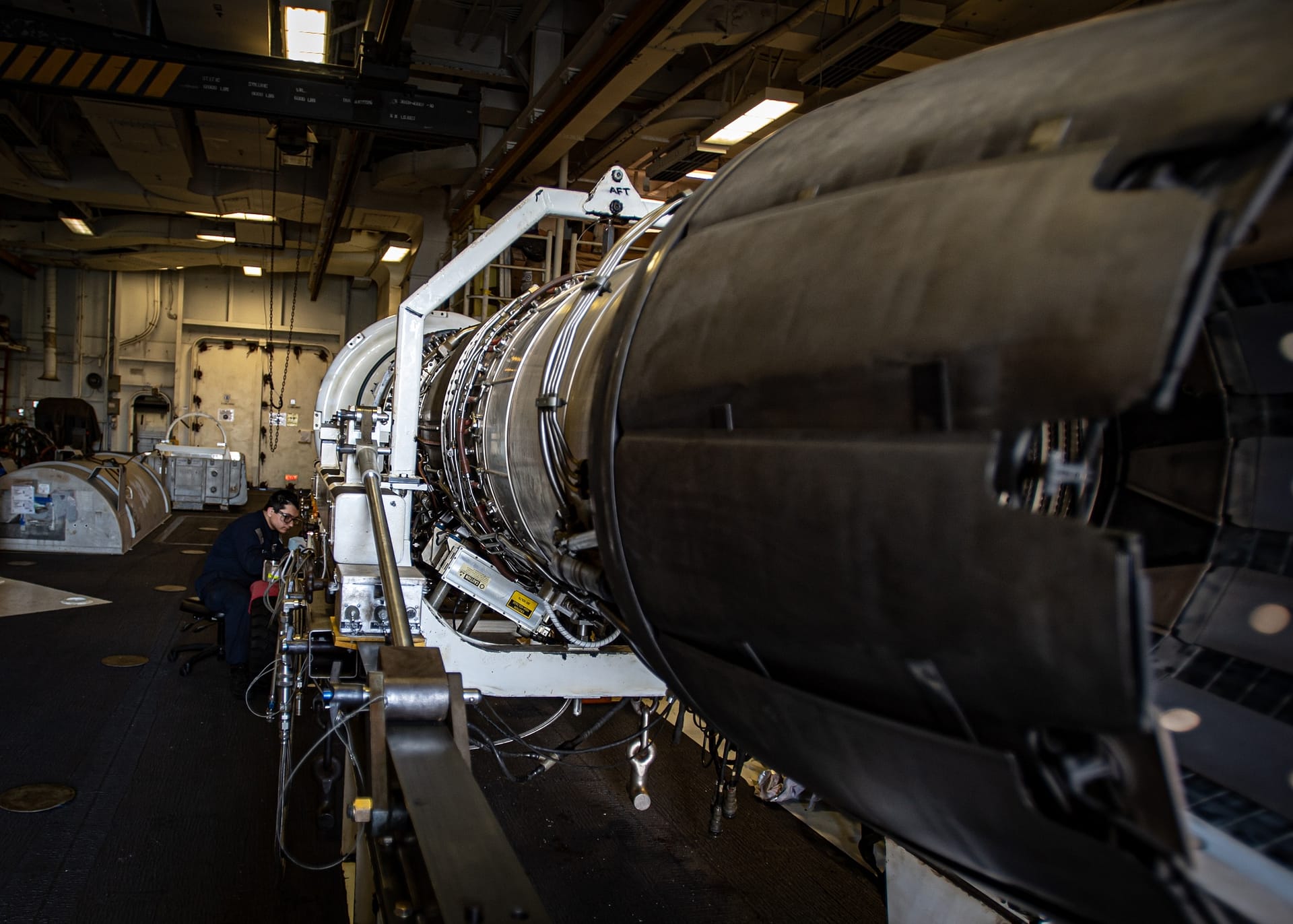
Flight 1 defect: Unfamiliar noise coming from Number 2 engine.
Action: Engine run for four hours. Noise now familiar.
Flight 2 defect: Noise coming from Number 2 engine. Sounds like a man with a little hammer.
Action: Took little hammer away from man in Number 2 engine.
Flight 3 defect: Whining noise coming from Number 2 engine compartment.
Action: Returned little hammer to man in Number 2 engine.
This is either the greatest workplace saga in aviation maintenance history, or evidence that a very small man with a hammer has been living inside a jet engine for years and has developed opinions about when the hammer is and is not appropriate. We are not ruling anything out.
The Existential Classics
Some squawk entries achieve a higher level. They do not just make you laugh — they make you sit quietly for a moment and consider the fundamental relationship between human perception, bureaucratic process, and the limits of language itself.
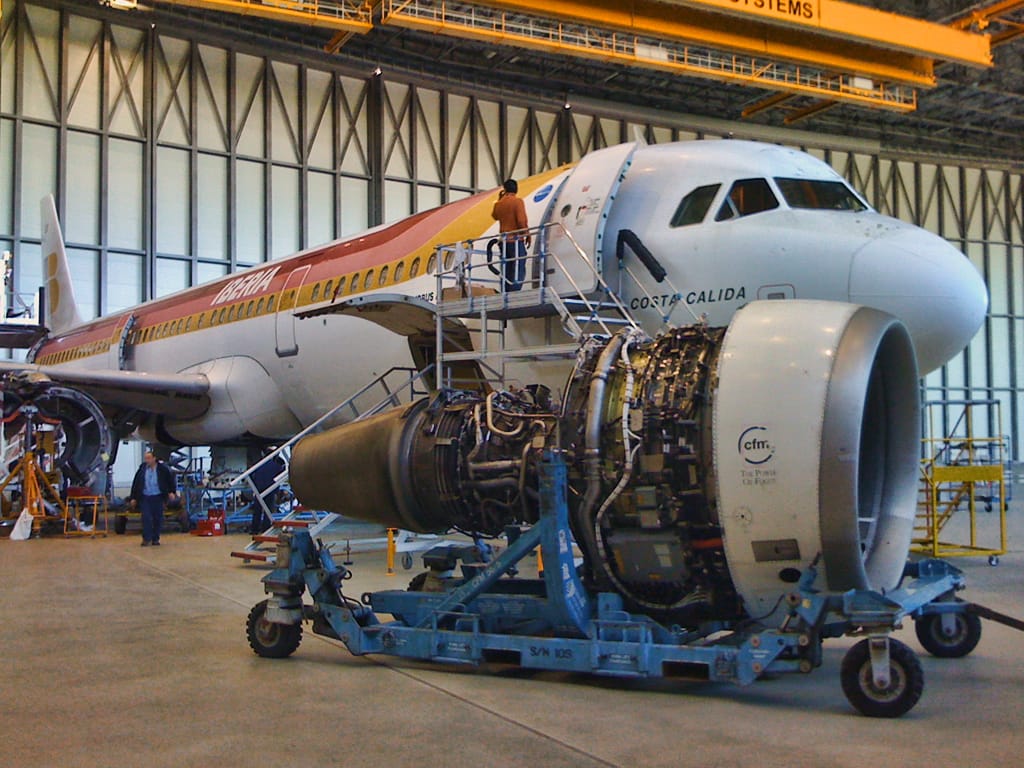
Problem: Number 3 engine missing.
Solution: Engine found on right wing after brief search.
Problem: Friction locks cause throttle levers to stick.
Solution: That's what friction locks are for.
Problem: IFF inoperative in OFF mode.
Solution: IFF always inoperative in OFF mode.
Problem: Autopilot in altitude hold mode produces a 200-fpm descent.
Solution: Cannot reproduce problem on ground.
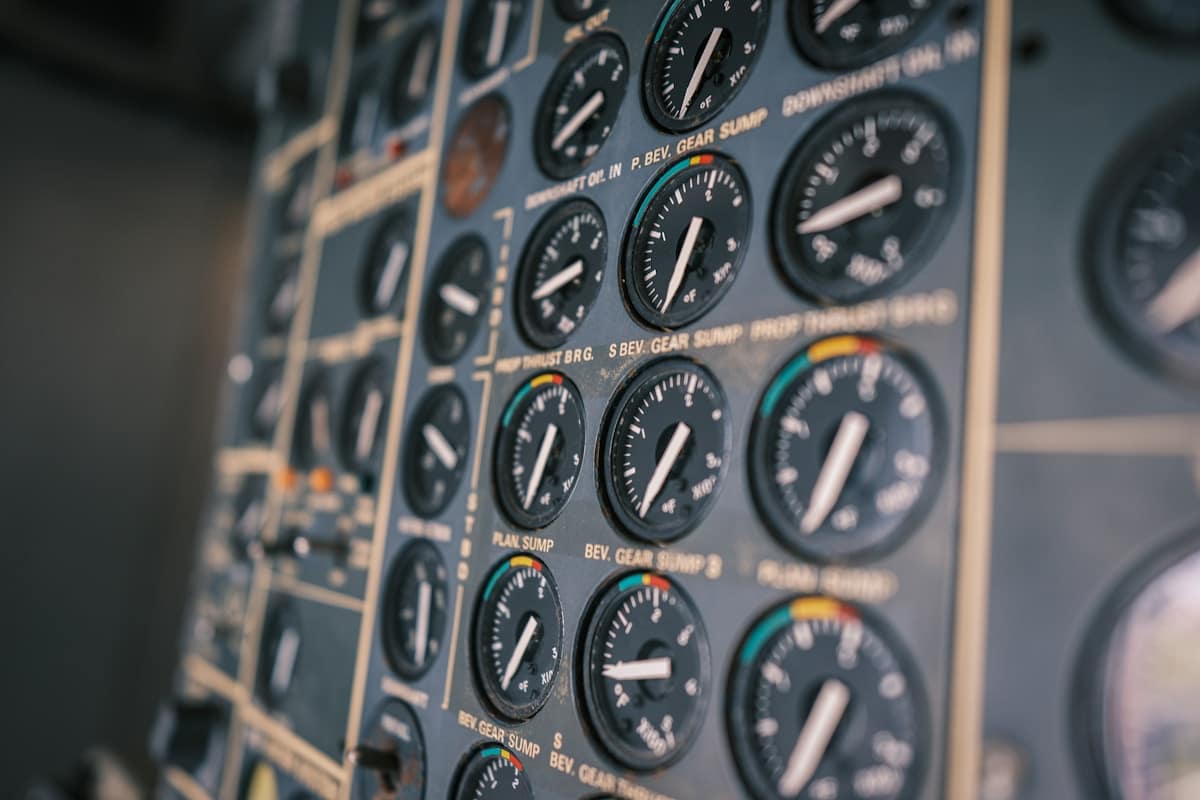
The "IFF inoperative in OFF mode" entry deserves a moment of appreciation. The pilot noticed something, wrote it down with complete sincerity, and the engineer responded with the same energy. Neither party was wrong. The system worked exactly as designed.
"Cannot reproduce problem on ground" is the maintenance equivalent of the classic IT support line: "Have you tried turning it off and on again?" It is technically accurate. It is completely unhelpful. It is delivered without apology.
The Truly Unexpected Entries
Some squawks go beyond normal mechanical issues into territory that raises questions about what, exactly, is happening on these aircraft between flights.
Problem: Pilot seat would not move to rear.
Solution: Removed bottle of dill pickles from under seat.
Problem: Three roaches found in cabin.
Solution: One roach killed, one wounded, one got away.
The roach entry is a logbook entry that somehow reads like the after-action report of a very small military operation. The honesty is extraordinary. The engineer did not write "pest control measures applied" or "cabin inspection completed." They tallied the casualties with the detached precision of a combat report. One got away. That fact was documented. For the record.
The dill pickle entry, meanwhile, raises questions that the logbook does not answer and, frankly, we are not sure we want answered.
Why This Humour Matters
It would be easy to read these entries and conclude that aviation maintenance is a culture of cheerful chaos. It is not. Aircraft maintenance is one of the most rigorously regulated, legally accountable, technically demanding disciplines on the planet. Maintenance technicians in commercial aviation train for years to earn their certifications. Every signature in a logbook carries legal weight. A missed squawk can ground an aircraft, trigger an investigation, or in the worst cases, contribute to an accident.
The humour does not undermine that. It sustains it. Working nights in a cold hangar, responsible for the airworthiness of a machine carrying hundreds of people, requires a certain psychological resilience. The dry wit in these entries is not laziness — it is the sound of skilled professionals maintaining their sanity against the endless, beautifully absurd complexity of keeping aircraft flying.
And when a pilot writes "something loose in cockpit" for the fourteenth time this month, and the engineer has checked every instrument, every panel, every bolt, and found precisely nothing — the engineer has earned the right to write "something tightened in cockpit" and move on with their night.
As for the cat? Officially installed. Presumably still flying.
Sources: Aviation Humor, Snopes — Squawk Word, Golf Hotel Whiskey, PilotMall — Aircraft Squawk Sheet Explained, Bluetail — FAA Maintenance Record Requirements
Related Questions
What is an aircraft maintenance logbook?
An aircraft maintenance logbook is the legally required record of an aircraft's maintenance history. Under FAA rules (14 CFR 91.417), all U.S. aircraft must keep up-to-date maintenance records. Every entry must include the date, a description of the work performed, and the certified mechanic's signature and license number.
What is a "squawk" in aviation?
A squawk is aviation slang for any deficiency, malfunction or quirk a pilot reports in the aircraft logbook. The term originates from military aviation. The pilot's section of the log, where squawks are written, is informally called the gripe sheet, squawk sheet, or aircraft discrepancy log.
What is a gripe sheet?
A gripe sheet is the informal name for the pilot's portion of the aircraft logbook, where pilots note problems for maintenance to address. It is also called the squawk sheet or discrepancy log. Because it is a legal document, mechanics must respond to every entry, and some of the resulting exchanges are famously funny.
Do mechanics have to respond to every pilot complaint?
Yes. Each squawk is part of a legal document, and in commercial aviation an unresolved squawk can ground the aircraft. That is why engineers must answer every entry, even when the response is, technically, a joke. Every maintenance entry also requires a signature and license number under 14 CFR Part 43.
Are the famous funny logbook entries real?
Many have circulated in aviation circles since at least the late 1990s, attributed variously to the USAF, the RAF and commercial airlines, so their exact origins are often impossible to verify. True or embellished, they capture the real dynamic between pilots and mechanics, much like the funniest ATC recordings.
Why are aircraft maintenance records legally required?
Because they document that an aircraft remains airworthy. Under 14 CFR 91.417 the records are not optional, and entries must be signed by a certified mechanic. Maintenance also turns up surprises; mechanics have found strange things inside aircraft during servicing.
Related Posts
Fighter Pilot vs. Airline Pilot: Who Has It Better?
What Does an Hour of Flying an F-35 Actually Cost?
Fox One, Fox Two, Fox Three: What Do Fighter Pilots Actually Mean?


0 Comments