
In aviation, caution saves lives. Nobody disputes that. But there’s a fine line between prudent safety culture and spending $300,000 to scramble two fighter jets because a spider crawled across a smoke detector. That line gets crossed more often than you’d think.
From billion-dollar military scrambles triggered by party balloons to international incidents caused by a misread altimeter, aviation has a proud history of responding to minor problems with the full force of institutional panic. These are the stories that don’t make it into the safety manuals — because nobody wants to admit they happened.
Quick Facts
Cost of scrambling two F-16s: Approximately $30,000–50,000 per hour
Cost of an international airline diversion: $50,000–500,000
Most common false alarm trigger: Faulty smoke detectors
Balloons intercepted by fighters: More than you’d believe
The Balloon That Scrambled the RAF
In February 2023, the United States shot down three unidentified objects over North America in the wake of the Chinese spy balloon incident. The paranoia was contagious. Within weeks, air forces around the world were jumping at every radar blip that didn’t squawk a transponder code.
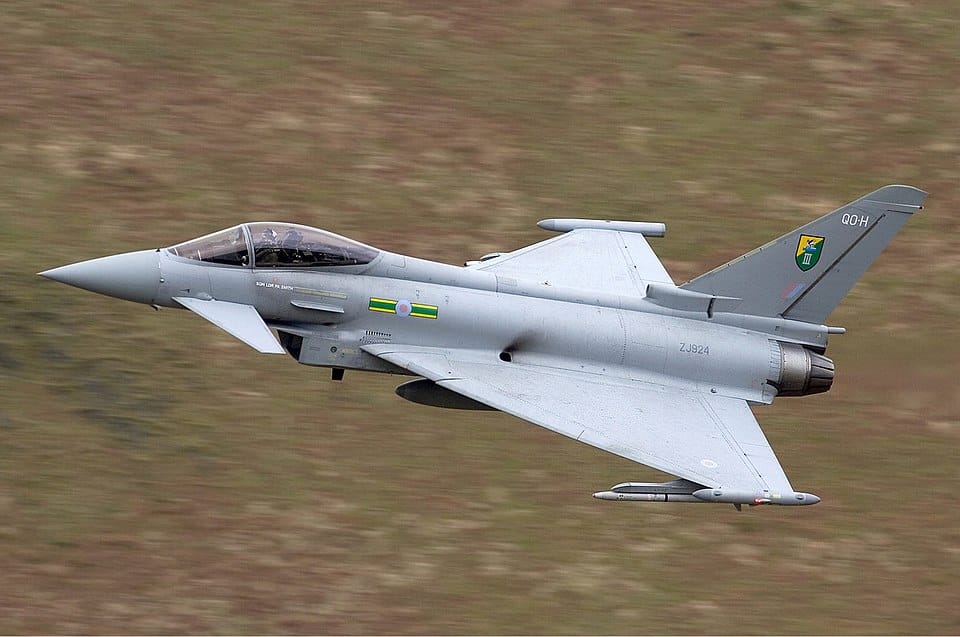
The RAF scrambled Typhoon fighters on multiple occasions during this period to intercept objects that turned out to be weather balloons, party balloons, and in at least one case, what was likely a large Mylar birthday balloon drifting at altitude. Each scramble cost tens of thousands of pounds. The balloon cost about three quid at a party shop.
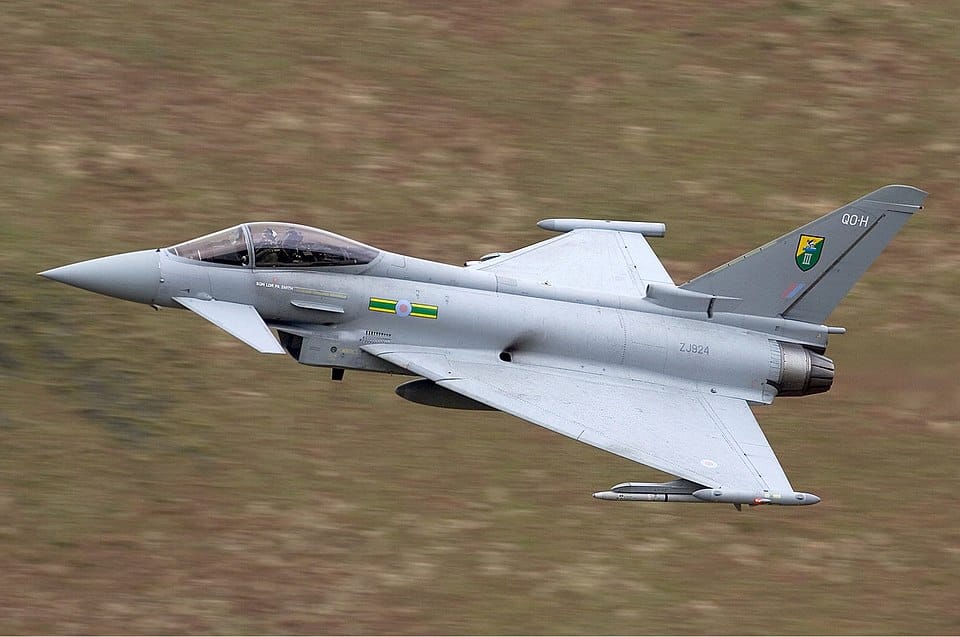
To be fair, the air forces were operating in an environment where an actual surveillance balloon had just crossed the continental United States at 60,000 feet. The overreaction was rational in context. But the image of a supersonic Typhoon circling a half-deflated Happy Birthday balloon at 30,000 feet is impossible to take seriously.
The Spider That Grounded a 747
Smoke detector false alarms are the bane of aviation maintenance. They trigger expensive diversions, emergency landings, and full evacuations — and a shocking percentage of them are caused by insects. Spiders, in particular, love building webs inside smoke detector housings in aircraft cargo holds.
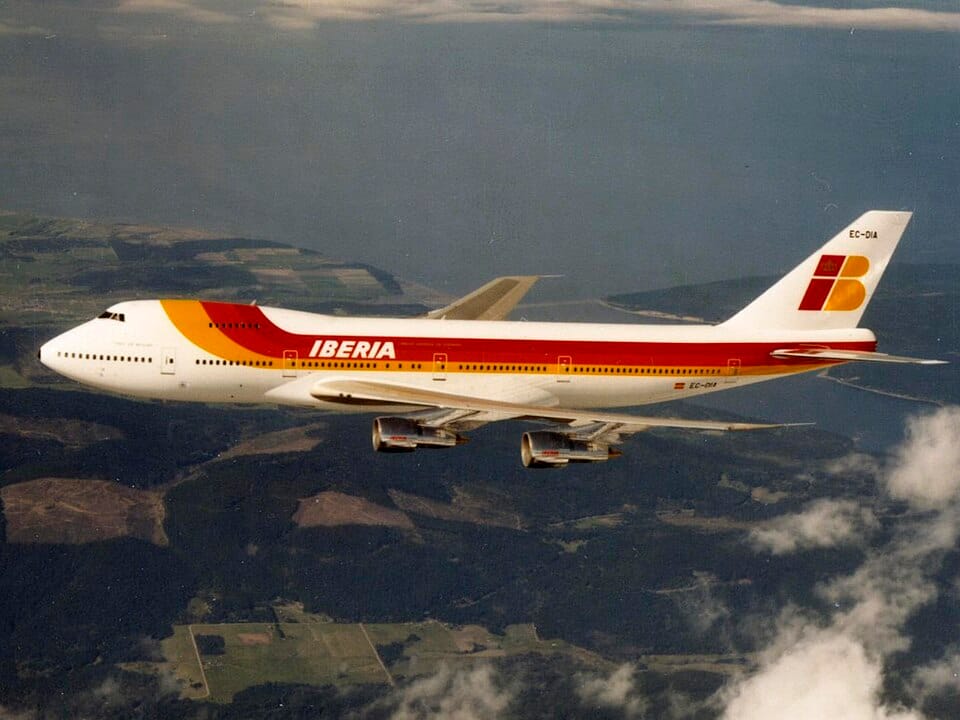
In 2015, a British Airways 747 diverted to Vancouver during a London-to-San Francisco flight after a cargo hold smoke alarm activated. The aircraft was evacuated via emergency slides. Fire crews swarmed the tarmac. The cargo hold was opened and inspected. Inside: one spider, no smoke, and a repair bill that reportedly exceeded $200,000 when you factor in the diversion fuel, passenger rebooking, hotel stays, and aircraft downtime.
Airlines have tried everything to spider-proof their smoke detectors: mesh screens, chemical deterrents, ultrasonic devices. The spiders keep winning. They’re attracted to the warm, dark, vibration-rich environment of a cargo hold, and they find smoke detector housings particularly cozy. It’s an ongoing war, and the spiders are undefeated.
NORAD vs. Santa Claus (Almost)
In 1955, a Sears department store in Colorado Springs ran a newspaper ad inviting children to call Santa Claus. The ad accidentally printed the phone number of the Continental Air Defense Command (CONAD, the predecessor to NORAD) crew commander’s hotline — the red phone used for nuclear attack warnings.
When Colonel Harry Shoup picked up the phone expecting a Soviet bomber alert and instead heard a child asking for Santa, the U.S. military was briefly closer to a holiday-themed international incident than anyone realized at the time. Shoup, to his eternal credit, played along and told the child he was indeed Santa Claus.
The tradition stuck. NORAD has tracked Santa every Christmas Eve since 1958. But the original phone call — to a hotline designed to warn of nuclear attack — could have gone very differently if a less good-humored officer had answered.
The Altimeter That Nearly Started a War
In 2014, a Scandinavian Airlines flight from Copenhagen was cruising over the Baltic when its transponder briefly displayed an incorrect altitude, suggesting the aircraft had descended into restricted military airspace. Russian air defense radars — already on high alert due to the Crimea crisis — tracked the anomaly.
According to reports from Swedish defense officials, Russian fighters were briefly placed on alert before the situation was clarified through civilian ATC channels. A sticky encoder in a transponder — a part worth about $400 — nearly triggered an intercept in one of the most militarily tense airspaces on the planet.
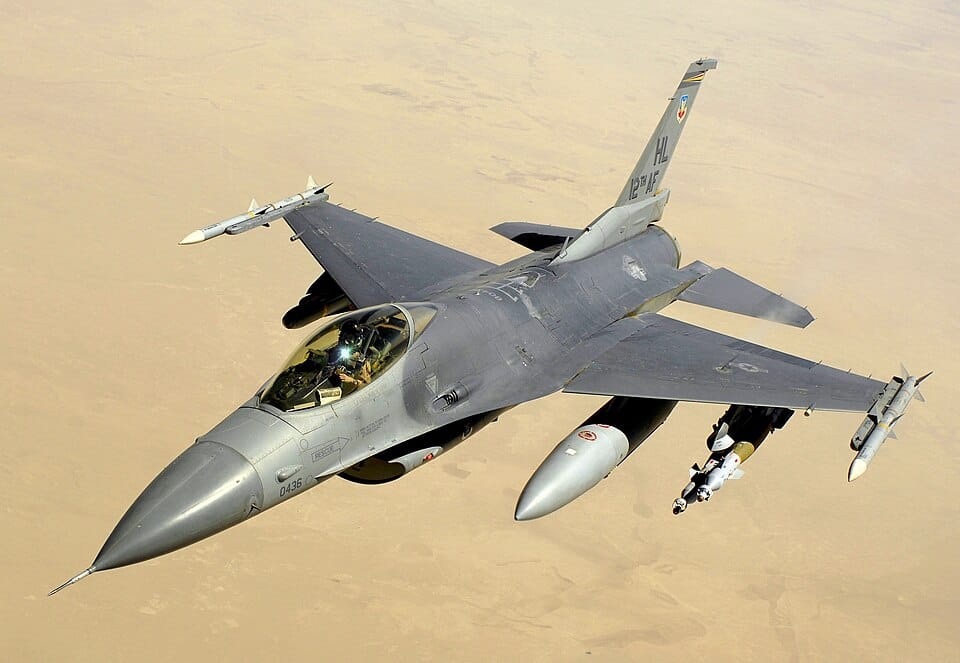
The Baltic region remains one of the most active airspaces for military intercepts, with NATO and Russian fighters routinely scrambled for close encounters. Most of these are legitimate responses to genuine airspace incursions. But a meaningful percentage — the exact number is classified — are triggered by equipment malfunctions, weather phenomena, or flocks of migratory birds that happen to fly in formation at just the wrong altitude.
The Helios Flight That Scrambled Two F-16s Too Late
This one is less comedy, more tragedy — but it illustrates how overreaction and underreaction can collide in the same incident. On August 14, 2005, Helios Airways Flight 522 departed Larnaca, Cyprus, and stopped responding to radio calls. The Boeing 737 continued climbing on autopilot with an incapacitated crew — the cabin had depressurized due to a maintenance error, and hypoxia knocked everyone unconscious.
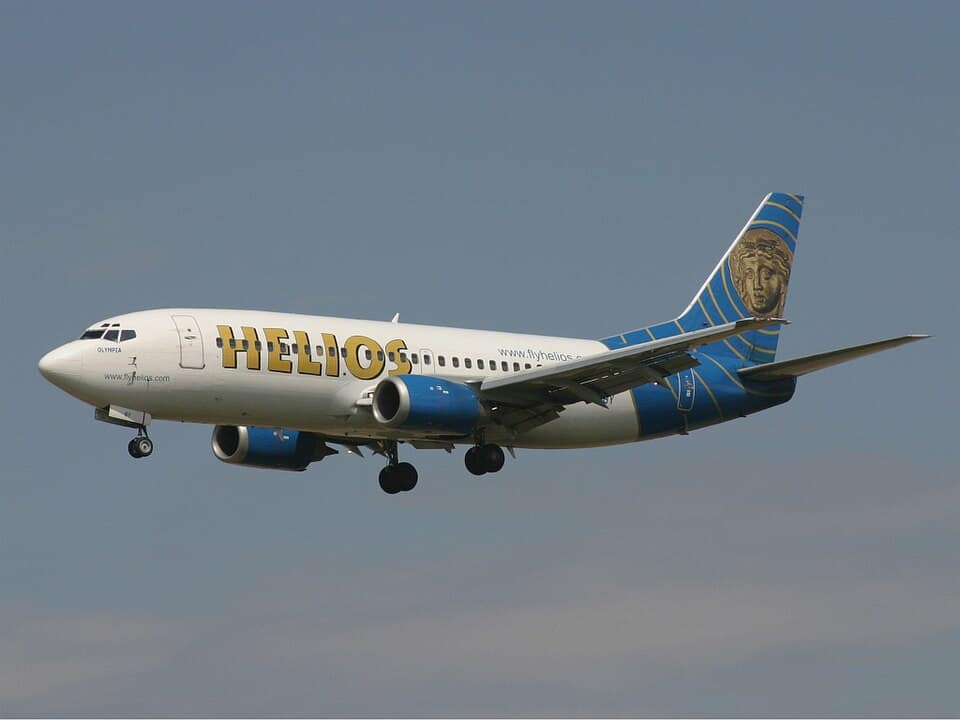
The Hellenic Air Force scrambled two F-16s, which intercepted the aircraft over Athens. The fighter pilots could see passengers slumped in their seats and the cockpit empty. A flight attendant, Andreas Prodromou, was briefly seen entering the cockpit — he had accessed a portable oxygen bottle — but the aircraft ran out of fuel and crashed into a hillside near Grammatiko, killing all 121 people on board.
The scramble wasn’t an overreaction — it was exactly the right response. But the entire chain of events that led to it was a cascade of small failures: a pressurization switch left in manual mode, a takeoff configuration warning misidentified as an engine warning, and a crew that never realized the cabin was slowly suffocating them. The F-16 pilots who watched helplessly described it as the worst experience of their careers.
The Lesson Nobody Learns
Aviation safety works because it overreacts. Every alarm is treated as real until proven false. Every radar blip gets investigated. Every weird noise gets a maintenance write-up. The cost of false alarms — in fuel, fighter sorties, and passenger inconvenience — is the price of a system that catches real emergencies before they become catastrophes.
But somewhere in the bowels of an RAF base, there’s a pilot writing up a mission report about intercepting a balloon. And somewhere in a Boeing 747’s cargo hold, a spider is building a new web inside a smoke detector. The cycle continues.
Sources: NORAD, UK Ministry of Defence, NTSB, Hellenic Air Accident Investigation Board, Swedish Armed Forces

 English
0 Comments