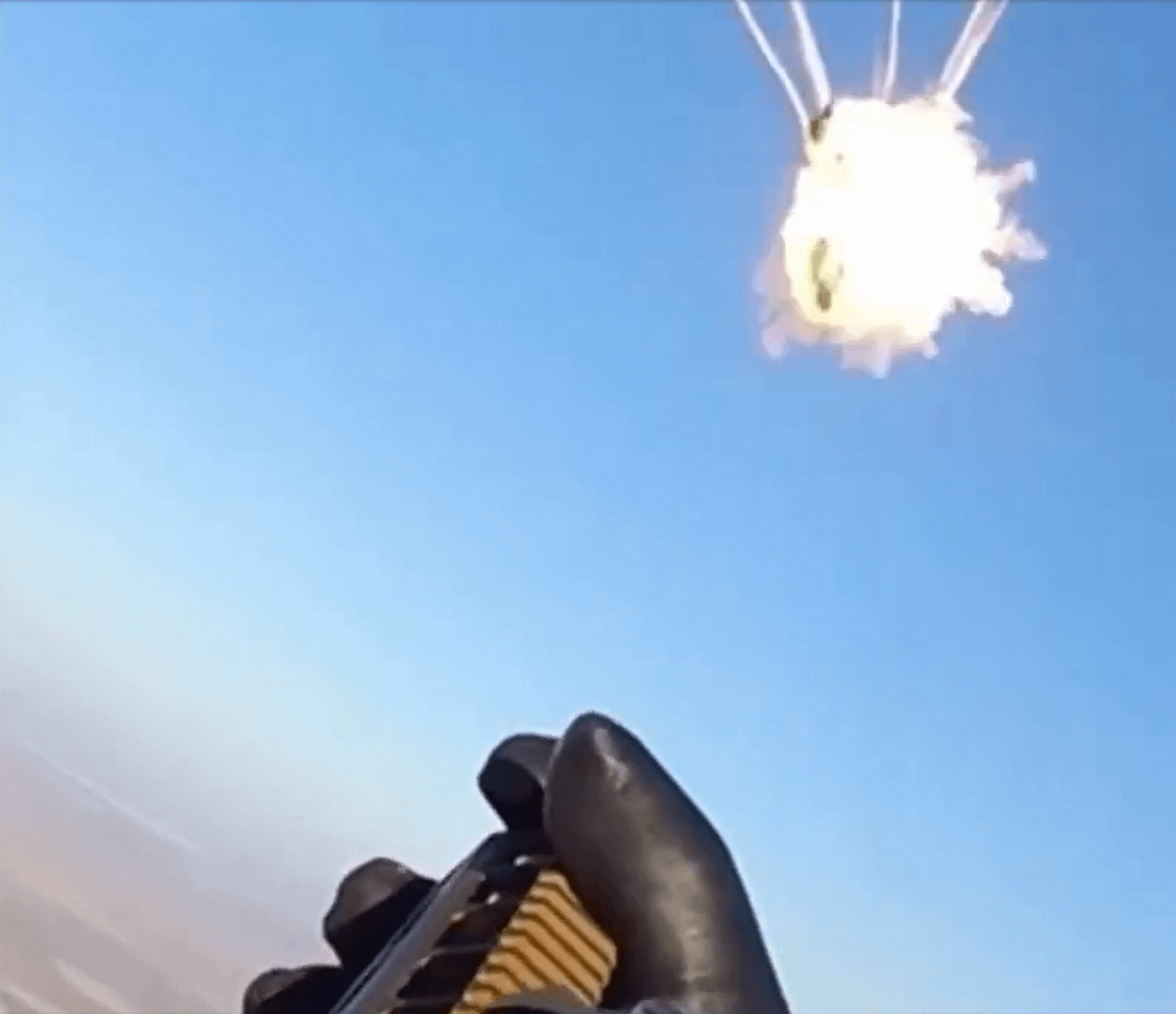
On March 24, 2026, a video emerged from Ukraine that stopped aviation watchers in their tracks. A Soviet-era piston trainer, the Yak-52 — designed in the 1970s to teach student pilots basic aerobatics — had just downed a Russian Geran-2 kamikaze drone using a rifle fired from the rear cockpit. The drone detonated in a spectacular mid-air explosion after the gunner put approximately eight rounds into it.
It is, on the surface, an absurd mismatch. The Geran-2 — Russia’s name for the Iranian-designed Shahed-136 — is a one-way attack drone carrying a warhead capable of destroying a building. The Yak-52 is a 50-year-old trainer powered by a radial piston engine, used to teach cadets how to fly straight and level. And yet, increasingly, it is the Yak-52 that is winning.
A Tactic Born Out of Necessity
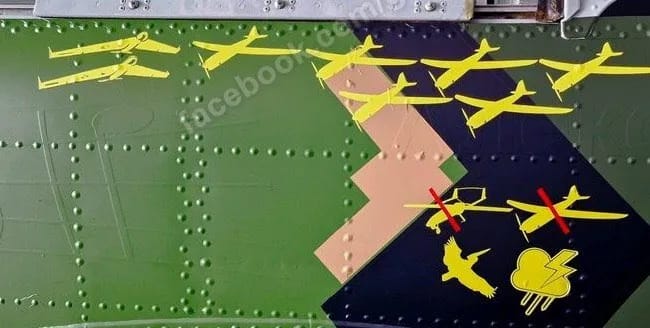
Ukraine began deploying Yak-52s on counter-drone duties in 2024. The logic, while unconventional, is sound. The Geran drone flies slowly — typically between 150 and 185 km/h — and at low altitude, where modern air defense systems are least effective. Ground-based guns and missiles are often too valuable to waste on cheap drones, and fighter jets burning thousands of dollars of fuel per hour are economically absurd for the same purpose.
The Yak-52, by contrast, is cheap to operate, easy to fly at slow speeds, and has tandem seating: one seat for the pilot, one for a gunner who can open the canopy and engage targets directly. Colonel Mykola Likhatskyi, deputy commander of Ukraine’s 11th Army Aviation Brigade, told the Wall Street Journal that Yak-52 teams now account for roughly 10–12% of drones destroyed on an average day — a remarkable figure for a propeller aircraft that costs almost nothing per flight hour.
WWI Tactics, 2026 Battlefield
The tactic of leaning out of a cockpit to engage a target with a handheld weapon dates back to 1914. Early air combat over the Western Front involved observers firing pistols and rifles at enemy aircraft before purpose-built machine gun mounts existed. Ukraine has essentially reinvented that approach — not out of nostalgia, but because it works against a specific class of threat that more sophisticated weapons cannot economically address.
Russia has taken note. Reports from 2025 indicate that Russian forces have begun modifying their own Yak-52 fleet in a mirror image of the Ukrainian tactic, fitting aircraft with shotguns and electro-optical systems to hunt Ukrainian drones. The world’s two largest users of a Soviet-era aerobatics trainer are now flying them against each other’s drone fleets in a conflict that was supposed to be decided by hypersonic missiles and stealth technology.
What This Says About Modern War
The Yak-52 story is, in miniature, a reflection of what the war in Ukraine has consistently demonstrated: that asymmetric ingenuity routinely outwits expensive orthodoxy. Russia has launched thousands of Geran drones at Ukrainian cities. Ukraine has responded, in part, with a propeller trainer and a rifle. The fact that it works often enough to account for a double-digit percentage of daily drone kills says something important about both the vulnerability of cheap drone swarms and the enduring value of creative tactical thinking.
For anyone watching the evolution of air combat, the Yak-52 engagements are a reminder that the battlefield rarely looks the way doctrine predicts. Sometimes the most effective weapon is the one nobody thought to take seriously.
Sources: United24 Media; The War Zone; Defense Express; SOFREP; Wall Street Journal (via Colonel Mykola Likhatskyi)