
Quick Facts
- Budget request: $3.2 billion plus-up for aircraft readiness
- FY2027 fighter buy: 62 aircraft (38 F-35A, 24 F-15EX) vs. 72/year minimum needed
- Fleet status: Fighter inventory below legal minimum of 1,145 PMAI
- Total combat-coded fighters: ~1,900 (70 below the 1,970 NDAA minimum)
- Challenge: Production capacity cannot match demand signal
The Numbers Gap
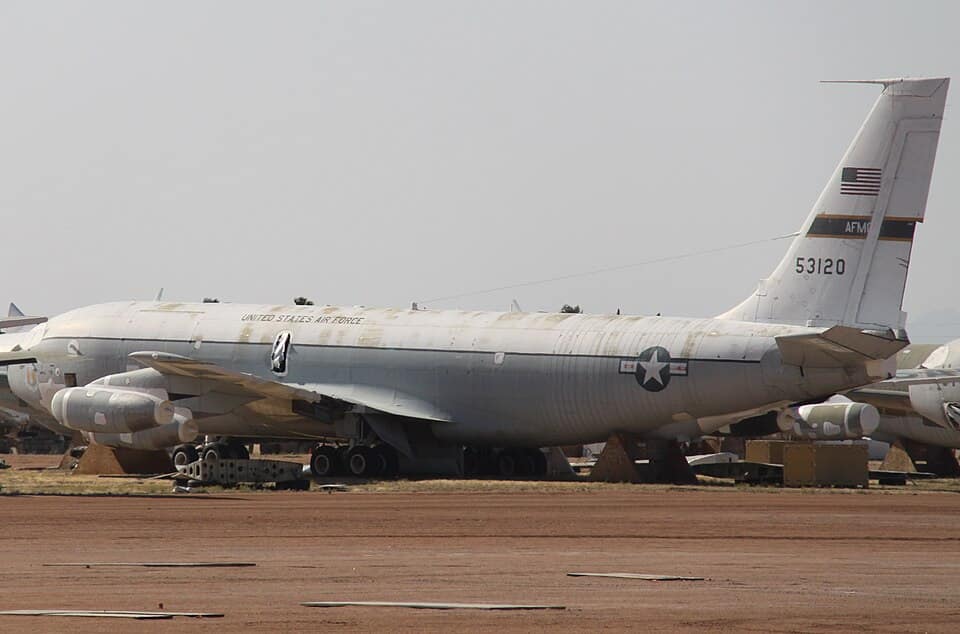
The Air Force’s primary fighter fleet has already dropped below the legal minimum of 1,145 aircraft set by Congress in 2017. With approximately 1,900 combat-coded fighters, the service sits 70 aircraft below the 1,970 minimum required by the 2021 NDAA. These are not aspirational targets — they are legal requirements the Air Force is currently violating.
Production Cannot Keep Up
Lamontagne’s blunt assessment reflects a reality beyond the Air Force. Defence contractors face supply chain disruptions, labour shortages, and the sheer complexity of building fifth-generation aircraft. Lockheed Martin delivered a record 191 F-35s in 2025, but that pace required clearing a backlog caused by TR-3 delays.“The demand signal is outstripping our contractors’ ability to produce quality airplanes on schedule.”
Gen. John Lamontagne — Vice Chief of Staff, U.S. Air Force
A Force in Decline?
Fewer fighters than the law requires. Fewer new aircraft than the service says it needs. A $3.2 billion emergency request. A vice chief publicly conceding the industrial base cannot deliver. The quality-over-quantity argument — every F-35 is worth several F-16s — is true in the abstract but less so when half the F-35 fleet is grounded for software updates. The $3.2 billion request is a bandage on a structural wound. What the Air Force needs is a sustained, multi-year commitment to buying 72+ fighters per year, investing in depot capacity, and paying maintainers enough to stay. Whether Congress will deliver is the question nobody in the Pentagon wants to answer. Sources: Air & Space Forces Magazine, Defense News, Military TimesRelated Posts

 English
0 Comments