
Iran’s missiles have turned Al Udeid Air Base into the most dangerous American address in the Middle East. Now CENTCOM wants to bury its nerve centre underground — but a retired three-star general says the plan is already too late.
Air Forces Central issued a call this week for contractors to build a hardened, underground Combat Center Building beneath Al Udeid, the sprawling Qatar installation that serves as CENTCOM’s forward hub. The wishlist reads like a bunker architect’s dream: subterranean squadron operations rooms for bombers, fighters and drones, command-and-control suites, administrative offices, elevators, and even a parking garage — all encased in enough concrete and steel to survive a direct hit.
The urgency is obvious. Since Operation Epic Fury began on February 28, Iranian barrages have killed 13 U.S. troops and wounded over 300. Radar systems have been smashed, buildings gutted, and aircraft destroyed on the tarmac. Repeated strikes forced many American troops to relocate to hotels and office spaces scattered across the region — a humiliating admission for the world’s most powerful military.
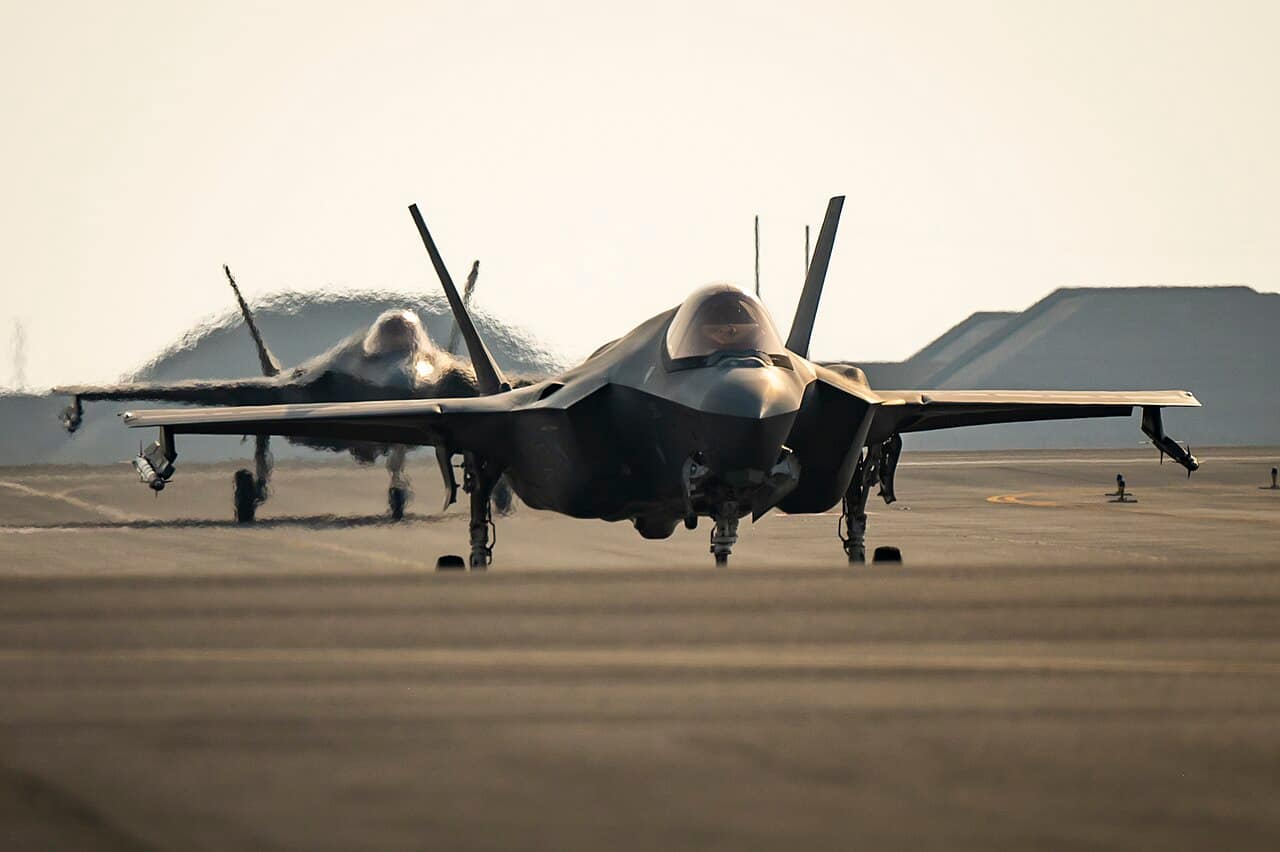
A $10 Billion Masterplan — Years Too Late?
The underground complex is part of Strategic Master Plan 2040, a Qatari-funded portfolio of more than 170 projects worth $10 billion. But the contract solicitation won’t even go out until April 2027, with an award anticipated in January 2028. For the troops dodging missiles right now, that timeline feels like a cruel joke.
Retired Lt. Gen. David Deptula, a former Air Force intelligence chief, didn’t mince words. The hardened infrastructure “absolutely has been needed,” he said — but added bluntly that “it is too little too late for this war.”
Urgent Shelters Needed in Days, Not Years
CENTCOM seems to know the long-term plan won’t save anyone today. A separate, urgent request went out on Monday for prefabricated, transportable hardened shelters — essentially blast-proof boxes that can be shipped and assembled fast. Vendors were asked to submit delivery options for three, fifteen, and thirty-day timelines. That’s the kind of procurement language you use when people are dying.
Al Udeid was struck by ten Iranian ballistic missiles last year, and the base has been hit again during the current campaign. The fact that America’s most important Middle Eastern air base still lacks underground protection tells you everything about how badly the Pentagon underestimated Iran’s missile arsenal — and how quickly that calculus has changed.
The New Reality of Gulf Air Power
For decades, U.S. air bases in the Gulf operated in relative safety, shielded by distance and deterrence. That era is over. Iran has demonstrated it can reach every major American installation in the region with precision-guided ballistic missiles, and no amount of Patriot batteries has been able to stop every incoming round.
Going underground is the oldest trick in the military playbook — and the fact that CENTCOM is scrambling to do it now, under fire, speaks volumes about how dramatically the balance of power in the Gulf has shifted. The $10 billion question is whether the concrete will be poured before the next salvo lands.
Sources: The War Zone; Air & Space Forces Magazine; The New York Times
 English