
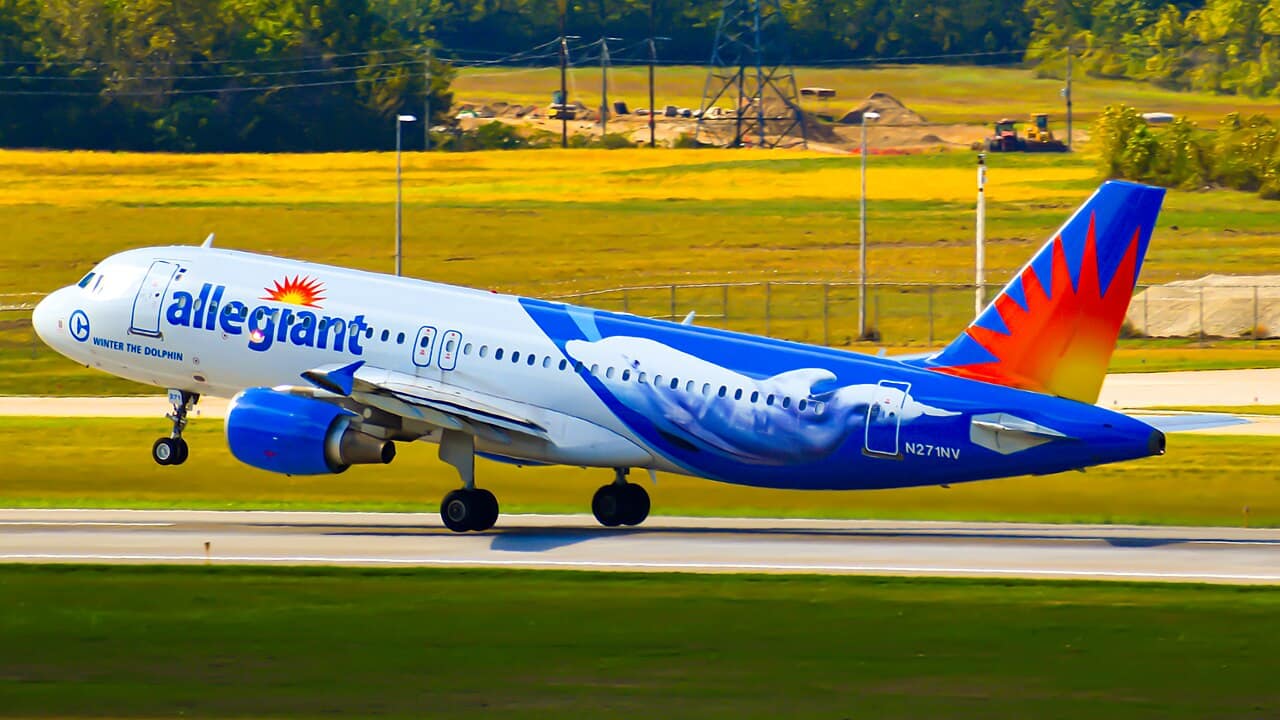
The American budget-airline map just lost an entry. On 13 May 2026, Allegiant Travel Company closed its $1.5 billion acquisition of Sun Country Airlines, creating what both companies are calling the leading leisure-focused U.S. airline. Combined fleet: 195 aircraft. Combined route map: 175 cities, more than 650 nonstop routes. Combined annual passengers: roughly 22 million.
The merger has been brewing publicly since late 2025 and quietly for at least two years before that. Both airlines occupy almost the same commercial niche — flying leisure travellers from secondary U.S. cities to beach and mountain destinations, on schedules built around weekends and school holidays, with ancillary-fee business models that look more like Spirit than like Delta. The combination produces the kind of network density neither carrier could build on its own.
From a passenger perspective, Sun Country's product had been quietly improving for several years — better seating, more cabin storage, a frequent-flyer scheme actually worth using. Allegiant's product has historically been more austere. Industry watchers expect Allegiant's product to gradually shift toward Sun Country's middle-of-the-road approach, but with Allegiant's ancillary-fee model attached. The combined airline will look more like a leisure-focused Spirit than a leisure-focused Delta.
The Two-Brand Question
The two airlines will continue to operate under their existing brands for the foreseeable future. The merger does not produce immediate changes to reservations, flight schedules, or travel plans. Customers booked on Allegiant remain on Allegiant. Customers booked on Sun Country remain on Sun Country. Both websites continue to function as before.
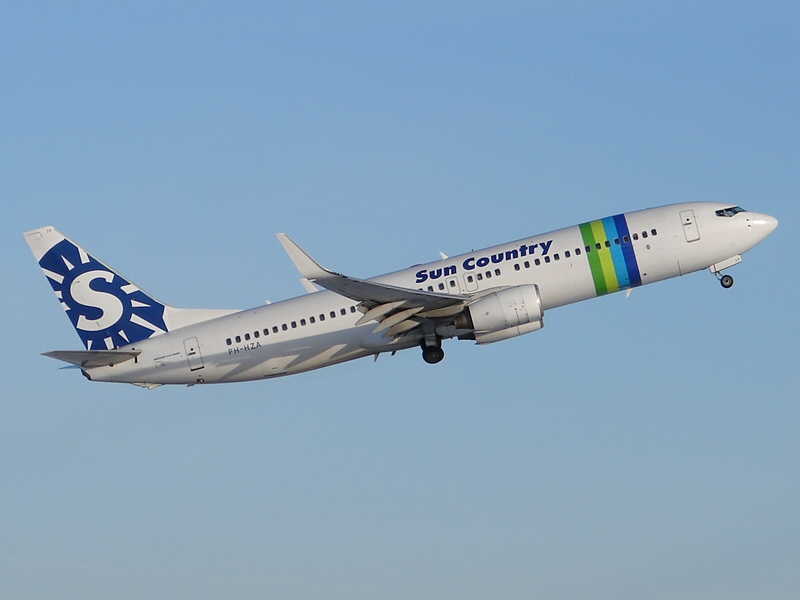
The full integration — combining flight operations, dispatch, maintenance, and a single FAA operating certificate — typically takes around two years. The merged airline will eventually have to pick a single brand, single fleet plan, and single labour-relations strategy. The labour piece is the harder one: the two pilot groups sit under different unions — the Teamsters at Allegiant, ALPA at Sun Country — and the flight attendants do too, with the TWU at Allegiant and the Teamsters at Sun Country. Those contracts and seniority lists will have to be merged.
The U.S. Budget-Airline Landscape Shifts
The merger reshapes the lower end of the U.S. domestic market. Spirit Airlines, which exited bankruptcy in early 2026, now faces a much larger ULCC-style competitor with a freight pillar Spirit lacks. Frontier, which has been pursuing its own consolidation strategy with Spirit, now competes against a combined Allegiant–Sun Country footprint substantially larger than either of the candidates Frontier was eyeing. The legacy carriers — Delta, American, United — are largely untouched by the deal because the markets it affects sit underneath their core networks.
For passengers, the practical effect over the next two years will be mostly invisible. Routes will be added, schedules will be tweaked, but the customer-facing brands stay put. By 2028, however, when the FAA finally issues a single operating certificate, one of the two names will start to fade out. Whether Allegiant ultimately keeps Sun Country's livery as a leisure sub-brand or absorbs it into a single Allegiant identity is a marketing decision still pending. By then, the merger's strategic logic — or lack of it — will be visible in the financial numbers.
Sources: The Points Guy (Sean Cudahy, 13 May 2026); CBS Minnesota; Star Tribune; Allegiant Travel Company press release; Matador Network; Travel and Tour World; TipRanks; Nomad Lawyer.

 English
0 Comments