
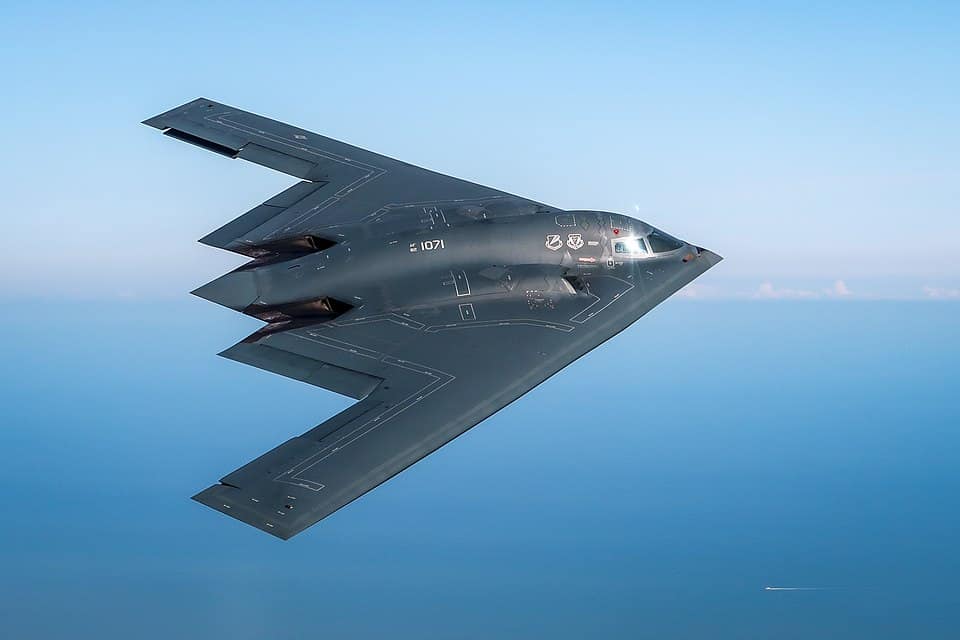
In aviation, mistakes don’t come cheap. A dropped wrench isn’t just an “oops” — it’s potentially a multi-million dollar catastrophe. A moment of inattention on the runway can vaporize more money than most people will earn in several lifetimes. Welcome to the world of aviation’s most wallet-destroying blunders, where the price tags will make your eyes water and your accountant weep.
Quick Facts
💸 The most expensive single aircraft loss: ~$1.4 billion (B-2 Spirit)
🔧 Most common cause of expensive mistakes: Maintenance errors & FOD
📊 US military loses an average of ~20 aircraft per year to mishaps
🛫 Total cost of US military aviation accidents since 2000: $13+ billion
1. The $1.4 Billion Faceplant: B-2 Spirit of Kansas (2008)
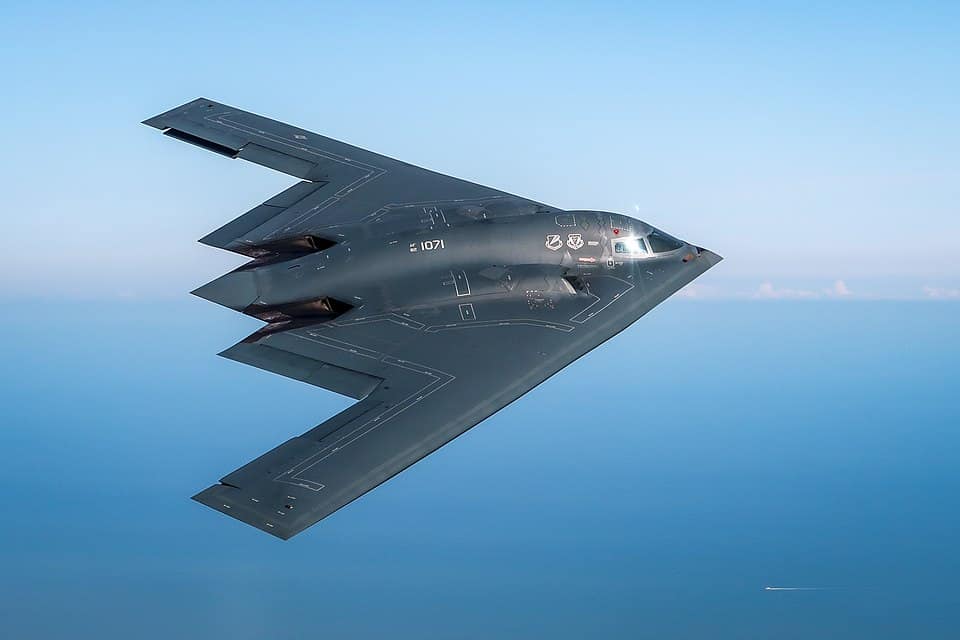
On February 23, 2008, at Andersen Air Force Base in Guam, the B-2 Spirit “Spirit of Kansas” did something no one ever wants a $2.1 billion stealth bomber to do: it crashed on takeoff. The cause? Moisture in three of the aircraft’s 24 air data sensors gave the flight computer incorrect readings, causing it to calculate a 340-knot airspeed while the aircraft was still nearly stationary. The bomber pitched up at a ludicrous angle and stalled immediately after leaving the runway.
Both pilots ejected safely — the only good news in this story. The aircraft was a total loss, making it the single most expensive aviation accident in history. The investigation revealed that simply heating the sensors before flight — a procedure that existed but wasn’t performed — would have prevented the whole thing. A maintenance step worth maybe 30 minutes of time would have saved $1.4 billion.
2. The F-22 That Didn’t Believe in the Ground ($150 Million)
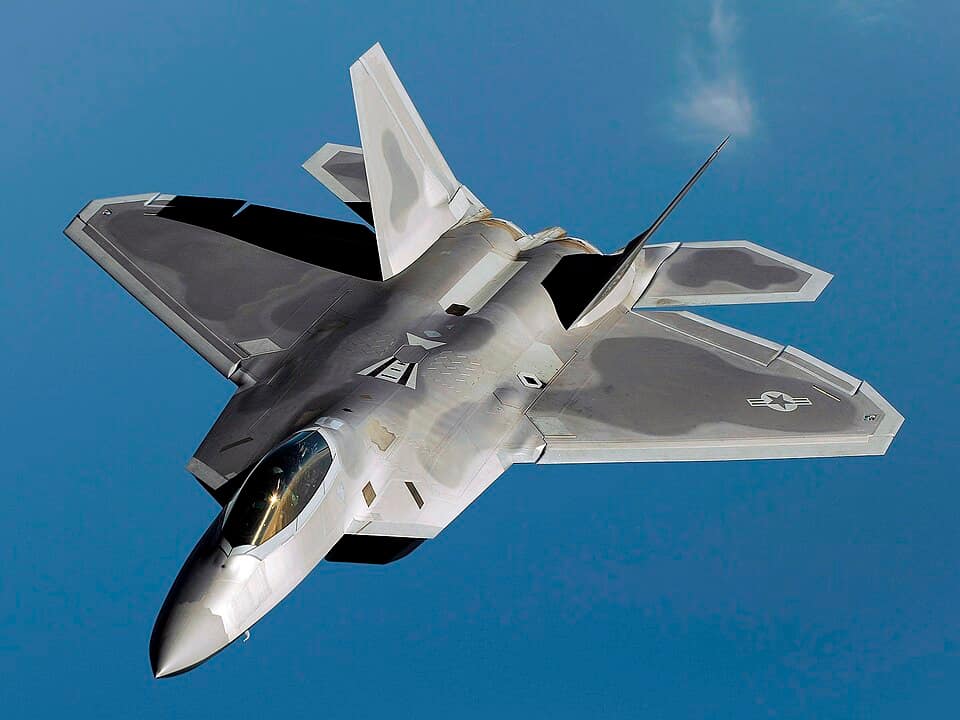
In 2004, an F-22 Raptor — at the time America’s newest and shiniest fighter — crashed during takeoff at Nellis Air Force Base. The pilot attempted to take off, but the aircraft’s flight control system had a disagreement with reality. During a brief power interruption while transferring from ground to aircraft power, the flight computers essentially forgot everything they knew about flying. The Raptor settled back onto the runway and skidded to a very expensive halt. Price tag: approximately $150 million.
But the F-22 wasn’t done embarrassing itself. In 2009, another Raptor was lost during a test flight in California, killing the pilot. And in 2010, an F-22 was lost in Alaska. The program has had one of the higher mishap rates of any modern fighter — ironic for an aircraft so advanced it was once called the most dominant fighter ever built.
3. The Tool That Ate an Engine ($4 Million+)
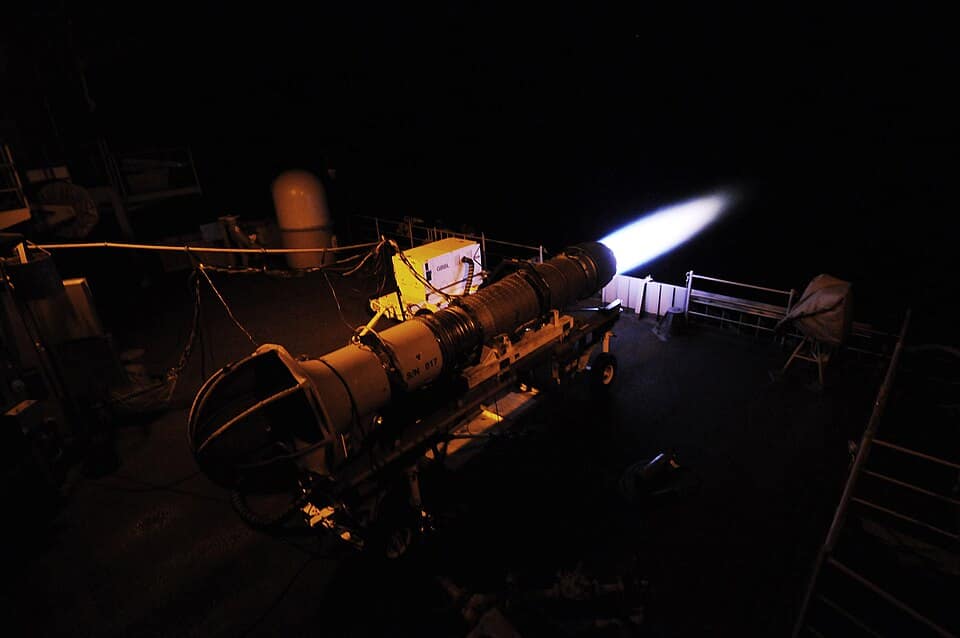
Foreign Object Damage — FOD — is the bane of every flight line. And nothing causes FOD quite like a mechanic accidentally leaving a tool inside an engine intake. It happens more often than the military would like to admit. In one infamous case, a forgotten socket wrench was ingested by an F-16’s engine during startup, destroying the powerplant entirely. The engine alone cost over $4 million to replace, and the aircraft was grounded for months.
The military now uses elaborate tool accountability systems — shadow boards, FOD walks (where entire squadrons walk the flight line shoulder-to-shoulder looking for debris), and electronic tool tracking. All because of the humble forgotten wrench.
4. The Carrier Deck Disasters (Hundreds of Millions)
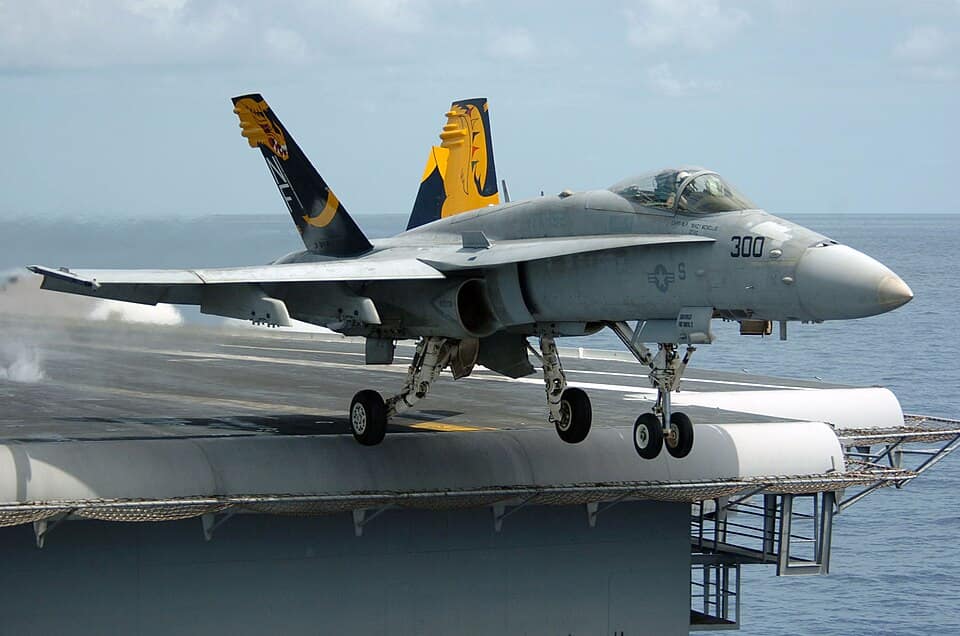
Aircraft carrier flight decks are among the most dangerous workplaces on Earth, and mistakes there tend to be spectacularly expensive. In 2011, an F/A-18C Hornet rolled off the deck of the USS Carl Vinson during heavy seas. The aircraft, worth roughly $57 million, simply slid off into the ocean like a very expensive surfboard. In 1991, an A-6 Intruder’s catapult launch went wrong, and the aircraft — along with millions of dollars — ended up in the drink.
Perhaps the most painful carrier incidents involve brake failures causing chain reactions on deck, damaging multiple aircraft simultaneously. When jets are parked wingtip to wingtip and one starts rolling, the dominoes get very, very expensive very, very fast.
5. The F-35 That Went Swimming ($100 Million)
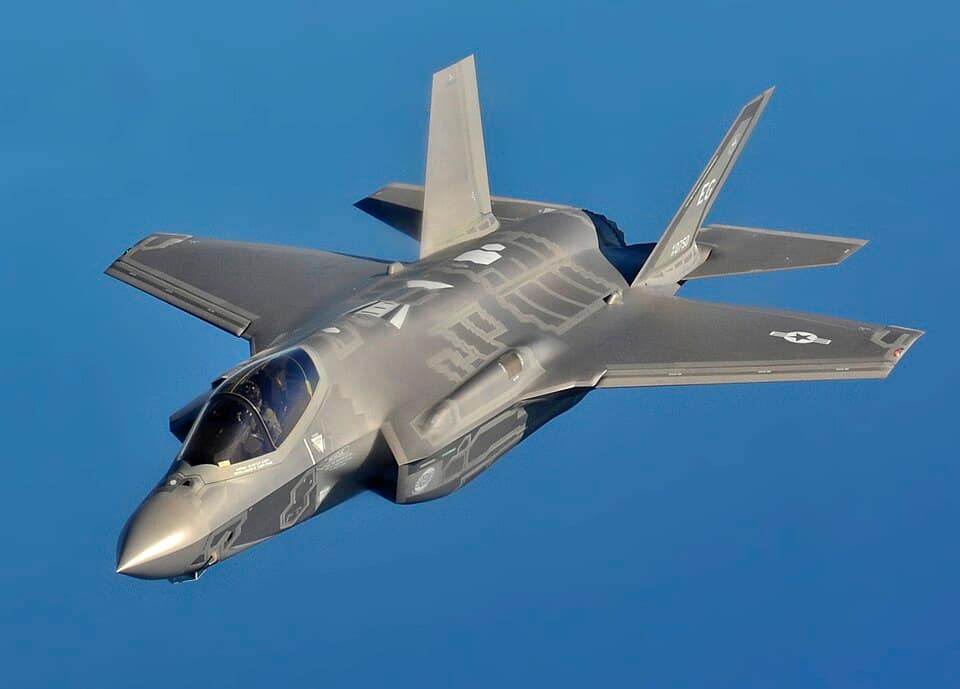
In January 2022, an F-35C Lightning II — the Navy’s carrier variant of the Joint Strike Fighter — crashed into the South China Sea during landing on the USS Carl Vinson. The pilot ejected and was recovered, but the $100 million jet sank to the bottom of the ocean. What followed was one of the most expensive salvage operations in military history, as the Navy rushed to recover the aircraft before China could get to it first. The wreck was eventually recovered from a depth of 12,400 feet — a salvage bill that likely ran into the tens of millions on top of the aircraft loss.
The kicker? The Navy had to recover it not just because of the cost, but because the F-35 is packed with classified stealth technology. Losing $100 million is bad. Losing $100 million worth of secrets to a strategic competitor is worse.
Honorable Mentions in the Hall of Expensive Shame
- 1990: Two F-15s collide over the Gulf of Mexico — $60 million in twisted metal, both pilots survived.
- 2020: Elephant Walk mishaps — When dozens of aircraft taxi together for a photo op and one clips another, the bill adds up fast.
- Every year: Bird strikes — The US military spends an estimated $75 million annually on bird-strike damage alone.
The lesson from all of this? In aviation, the margin between a perfect flight and a billion-dollar disaster can be as small as a drop of moisture, a forgotten wrench, or a single moment of inattention. Aviation is not inherently dangerous, but it is terribly unforgiving of carelessness — especially carelessness involving billion-dollar aircraft.
Sources: USAF Safety Center mishap reports, Naval Safety Command, Government Accountability Office aviation safety reports, Aviation Week & Space Technology

 English
0 Comments