
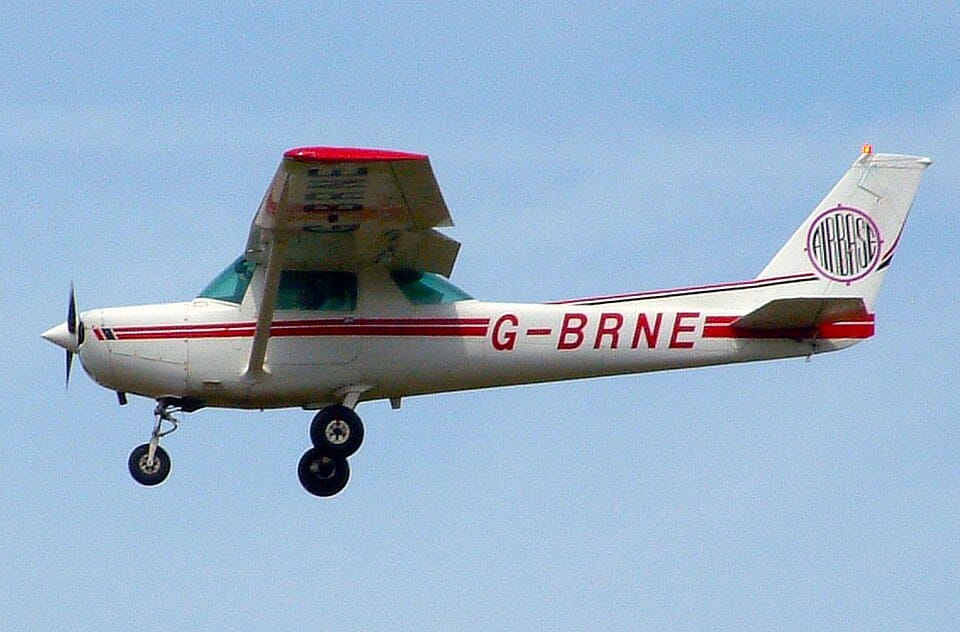
| Quick Facts | |
| Issue | Critical shortage of Designated Pilot Examiners (DPEs) across the US |
| What Is a DPE? | FAA-authorized examiners who conduct checkrides for pilot certificates |
| Wait Times | Weeks to months in many regions; some students travel hundreds of miles |
| Cause | Ageing examiner workforce, low compensation, growing student pilot numbers |
| Impact | Delays pilot certification, increases training costs, frustrates students |
| FAA Response | New DPE appointments increasing but not matching demand |

You’ve logged the hours. You’ve passed the written exam. Your instructor has signed you off, shaken your hand, and told you you’re ready. Now you just need someone to give you the checkride. Good luck finding them.
Across the United States, student pilots are discovering that the hardest part of earning their wings isn’t the flying — it’s booking a Designated Pilot Examiner. In some regions, wait times stretch to months. Students travel hundreds of miles, crossing state lines, just to find an available DPE. Others watch their skills erode while they wait, requiring additional training hours that cost money they’ve already stretched thin.
It’s a bottleneck that gets almost no attention outside the flight training community. But it’s choking the pipeline that produces every private pilot, instrument-rated aviator, and commercial pilot in America.
Too Few Examiners, Too Many Students
A DPE is a private individual — usually a highly experienced pilot — authorized by the FAA to conduct practical tests for pilot certificates and ratings. They are not FAA employees. They set their own schedules, charge their own fees (typically $800–$1,200 per checkride), and decide how many tests they want to give per month.
The problem is structural. The existing DPE workforce is ageing. Many are retired airline pilots in their 60s and 70s who got into examining decades ago and are now stepping back. The pipeline of new DPEs hasn’t kept pace, partly because the application process is bureaucratic and slow, and partly because the economics don’t always make sense — a skilled pilot can earn more flying charter or instructing at a busy school than conducting checkrides.
Meanwhile, student pilot numbers are climbing. The post-pandemic flight training boom created a wave of new students that hasn’t fully receded. Flight schools expanded. New students enrolled. But the number of people who can legally test them barely budged.
What It Means for Student Pilots
The consequences are real and costly. A student who’s ready for a checkride but can’t get one for six weeks will lose sharpness. Instructors know this, so they schedule “refresher” flights before the test — more Hobbs time, more money. A private pilot certificate that might cost $12,000 in a perfect world can balloon past $15,000 when wait times force additional training.
Some schools have built relationships with DPEs who prioritize their students. Others have started flying students to examiners in neighboring states. Neither solution scales. The FAA has begun appointing new DPEs at a faster rate, but the gap between supply and demand remains wide — especially in rural areas and smaller metropolitan markets.
For anyone dreaming of learning to fly, the advice is simple: start looking for a DPE the moment you start training, not the moment you’re ready for the test. The runway is longer than you think.
Sources: Plane and Pilot Magazine, AOPA, FAA DPE Registry
 English
0 Comments