
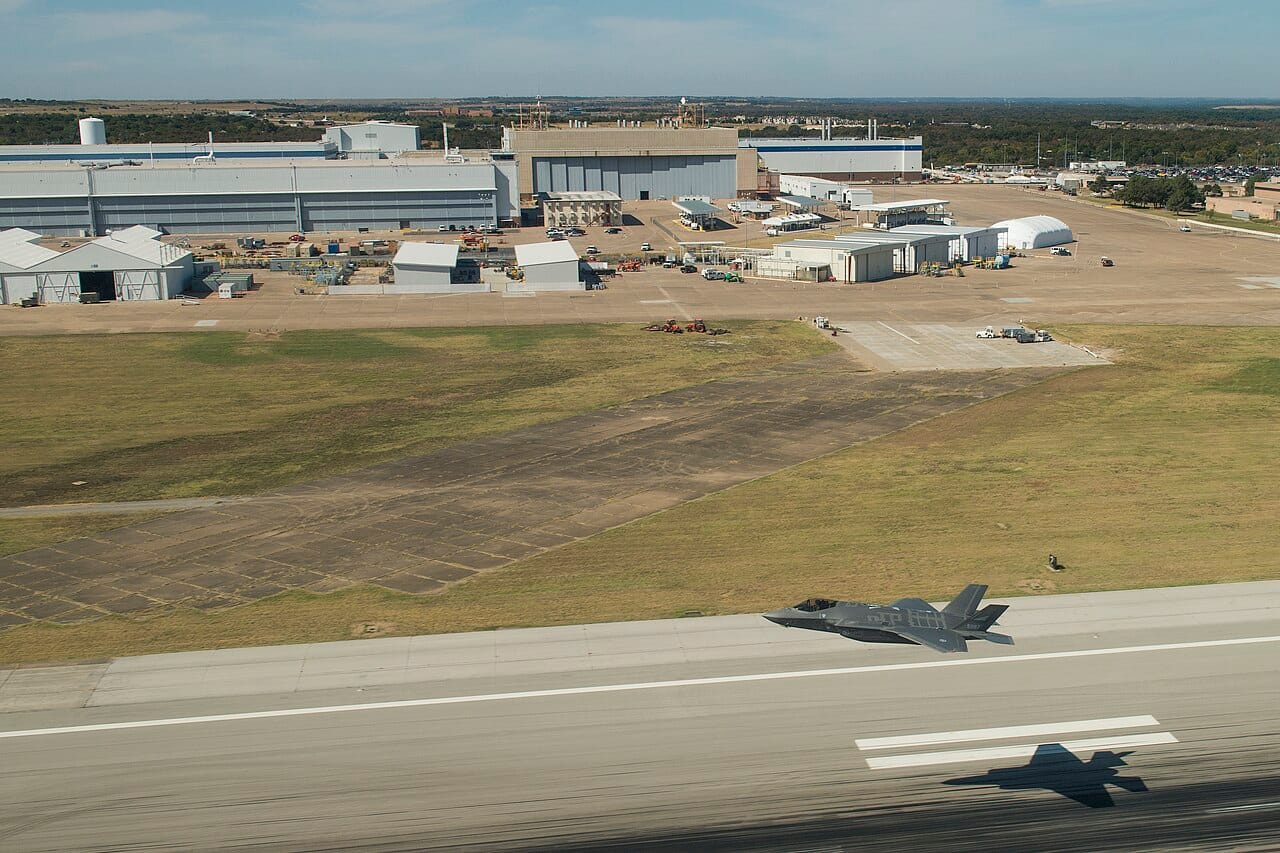
Lockheed Martin has delivered more than 1,200 F-35s. The Pentagon’s 2025 Director of Operational Test and Evaluation (DOT&E) report, published this spring, has now declared the most important upgrade to that fleet — Technology Refresh 3 — operationally unusable. Twelve months of testing. Zero new combat capability for the warfighter.
The Block 4 modernisation, which TR-3 is supposed to enable, was already late, already over budget, and already the target of two GAO reports. The new DOT&E verdict pushes the timeline further: full Block 4 combat capability may not arrive before 2031.
Quick Facts
- What broke: Technology Refresh 3 (TR-3) — the hardware/software foundation for F-35 Block 4
- Verdict: “No combat-capable TR-3 aircraft have been delivered to the U.S. Services to date” — DOT&E FY2025 report
- Affected jets: 158 F-35s delivered in the TR-3 configuration as of September 2025
- Original Block 4 ready date: 2026
- Current best-case Block 4: 2031
- Programme cost overrun: ~$6 billion above the original baseline (GAO)
What TR-3 was supposed to do
TR-3 is the foundation Block 4 sits on. New processors, an integrated core processor, a panoramic cockpit display, and the memory and bandwidth to run the 80-plus new capabilities Lockheed and the Joint Program Office have been promising since 2018. Block 4 itself includes new weapons, better electronic warfare, improved sensor fusion, the new AN/APG-85 radar, and a path to data integration with future Collaborative Combat Aircraft.
None of this works without TR-3 hardware and TR-3 software running cleanly together. And for two years now, they have not.
The shorthand of the problem: pilots flying TR-3 jets report instability in basic mission-system functions, with software builds described internally as “truncated” — features stripped out to keep the jet flyable in training. Combat coding hasn’t been certified. As DOT&E noted bluntly, no operational unit has received any genuine new fighting capability from a year of TR-3 deliveries.

Why the Pentagon shipped jets anyway
Lockheed has built F-35s to TR-3 standard since mid-2023, but the Pentagon halted acceptance for a year — roughly 110 jets went into storage before deliveries resumed in July 2024 in “truncated” configurations for training while the software caught up. The software still has not caught up. As of September 2025, 158 TR-3-configured F-35s had been delivered with limited combat utility, parked across U.S. and allied flightlines waiting for code that DOT&E says cannot yet be operationally trusted.
What it means for buyers
For the 220-plus F-35As already in European service — including the brand-new Polish Husarz fleet at Łask and Italy’s F-35Bs now operating from Finnish highways — this is awkward but not catastrophic. The existing TR-2 baseline still delivers what these jets were sold to do. The problem is timeline: every new capability allies were promised for the late 2020s is now potentially a decade out.
For the F-47 Next Generation Air Dominance programme, the news cuts another way. The Air Force has staked sixth-gen success on a different software architecture, an open-mission-systems backbone, and cleaner integration between the manned fighter and its Collaborative Combat Aircraft drones. Whether that lessons-learned framework holds up is the question that follows every closed-door briefing on Capitol Hill this month.
Block 4, when it lands, will still be a transformational upgrade. The fight is no longer about whether the F-35 gets there. The fight is whether anyone believes the dates anymore.
Sources: 2025 DOT&E Annual Report, Aviation A2Z, Air & Space Forces Magazine, Defense News, U.S. Government Accountability Office.



 English
0 Comments