
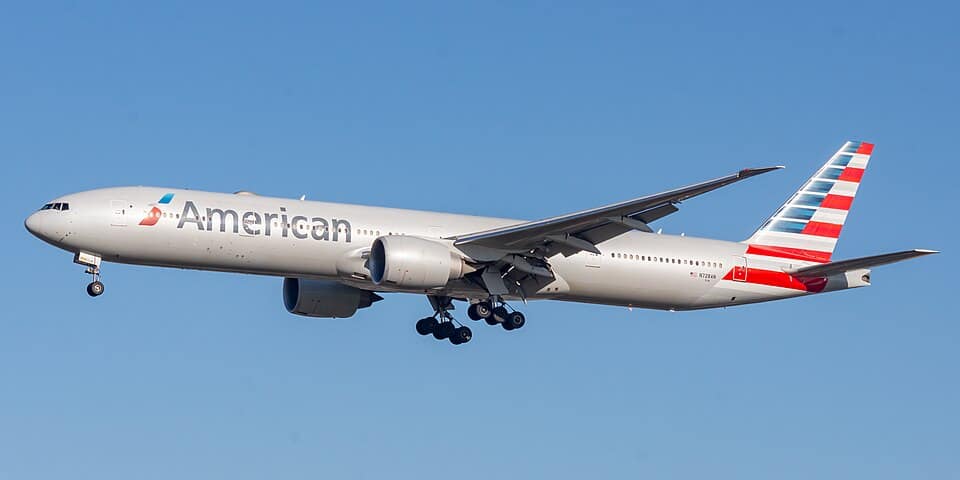
Quick Facts
Proposal: United Airlines merger with American Airlines
Initiated By: United CEO Scott Kirby (pitched to White House in February 2026)
Rejected By: American Airlines (April 17, 2026)
Combined Domestic Market Share: ~40%
Big Four Market Share: ~80% of U.S. domestic capacity (American, United, Delta, Southwest)
American’s Statement: “A combination with United would be negative for competition and for consumers”
The Pitch
Scott Kirby is not the kind of CEO who thinks small. Before running United, he orchestrated the merger of US Airways and American Airlines during his time at US Airways — the deal that created the world’s largest airline in 2013. A United-American combination would have been the sequel: even bigger, even more dominant, and this time pitched directly to a presidential administration that has signalled a permissive attitude toward corporate consolidation. The logic, from Kirby’s perspective, was straightforward. The U.S. airline industry is mature. Growth opportunities are limited. The Big Four — American, United, Delta, and Southwest — already control roughly 80 percent of domestic capacity. A merger would eliminate a major competitor, create massive route network synergies, and produce an airline with the global scale to compete with Gulf carriers, European supercarriers, and Chinese state-backed airlines. The pitch reportedly emphasised national competitiveness: one American super-airline that could dominate global aviation the way Boeing once dominated manufacturing.The Rejection
American Airlines did not equivocate. The statement, issued after markets closed on a Friday — the classic corporate move for news you want buried — was unambiguous. American said that a combination with United would be negative for competition and for consumers, and therefore inconsistent with the administration’s philosophy toward the industry and principles of antitrust law. That last clause was strategic. By framing its rejection in terms of the administration’s own stated principles, American made it harder for the White House to pressure the deal forward. If the Trump administration champions free markets and consumer choice, American argued, then a merger that gives one airline 40 percent of the domestic market contradicts those values. American’s stock fell more than four percent on the news. United’s shares dropped as well. The market had been pricing in at least some probability of a deal.Why It Died
Antitrust was the obvious obstacle. Even in a deregulatory environment, combining the first and third-largest U.S. carriers would face intense scrutiny. The Department of Justice under the Biden administration blocked the JetBlue-Spirit merger on far smaller competitive grounds. A United-American combination would dwarf that deal in scale and market impact. But the deeper issue may have been simpler: American did not want to be acquired. Merger language is polite, but the reality of any United-American deal would have been a takeover. Kirby’s track record — he effectively ran the US Airways-American integration — suggested that United’s management team would dominate the combined entity. For American’s leadership, saying yes meant surrendering control of the company they run.What It Means for Passengers
For travellers, the rejection preserves the status quo — which, depending on your perspective, is either a competitive market with four major carriers or an oligopoly with too little price competition already. The Big Four will continue to compete on routes, loyalty programmes, and service tiers. Fares will continue to reflect fuel costs, demand, and the quiet coordination that critics say already exists without a formal merger. The aviation industry’s consolidation wave is not over. But the biggest merger imaginable just died with five words. For now, there will be no super-airline.Sources: CNBC, Aviation Week, Skift, The Motley Fool
Related Posts


 English
0 Comments