
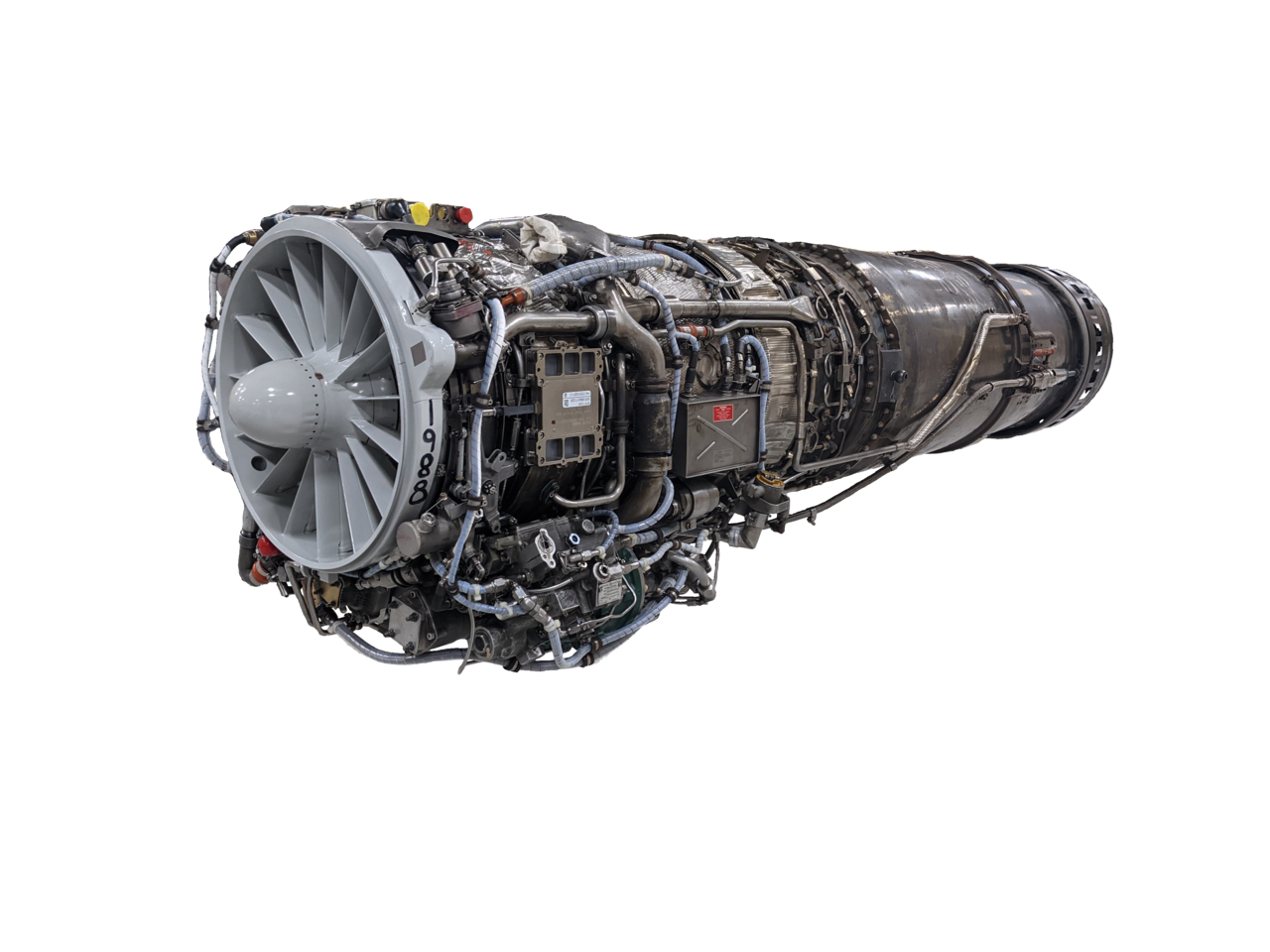
The General Electric J85 first ran on a test stand in 1956. Eisenhower was president. The Soviets had not yet launched Sputnik. Seventy years later, the same engine — virtually unchanged in its core architecture — is being kept alive by more than $178 million in Defense Logistics Agency engine-support orders under a contract running through 2030.
It is, by some distance, one of the longest service careers of any military jet engine in history. And the Pentagon's reason for keeping it going is simple: the aircraft that depend on it are not retiring any time soon, and nobody wants to pay to redesign them.
Quick Facts
Engine: General Electric J85 (variants J85-GE-5, -13, -21)
First run: 1956
Thrust class: 2,950 lbf dry / 5,000 lbf with afterburner
Aircraft using J85: T-38 Talon, F-5 Tiger II, A-37 Dragonfly
Active fleets: ~500 USAF T-38s + 200+ F-5s in 25 export air forces
New contract: $178 million+ in DLA orders since December 2024 — runs through 2030
Estimated retirement: Not before 2035 (T-7A replacement schedule)
The Engine That Wouldn't Die
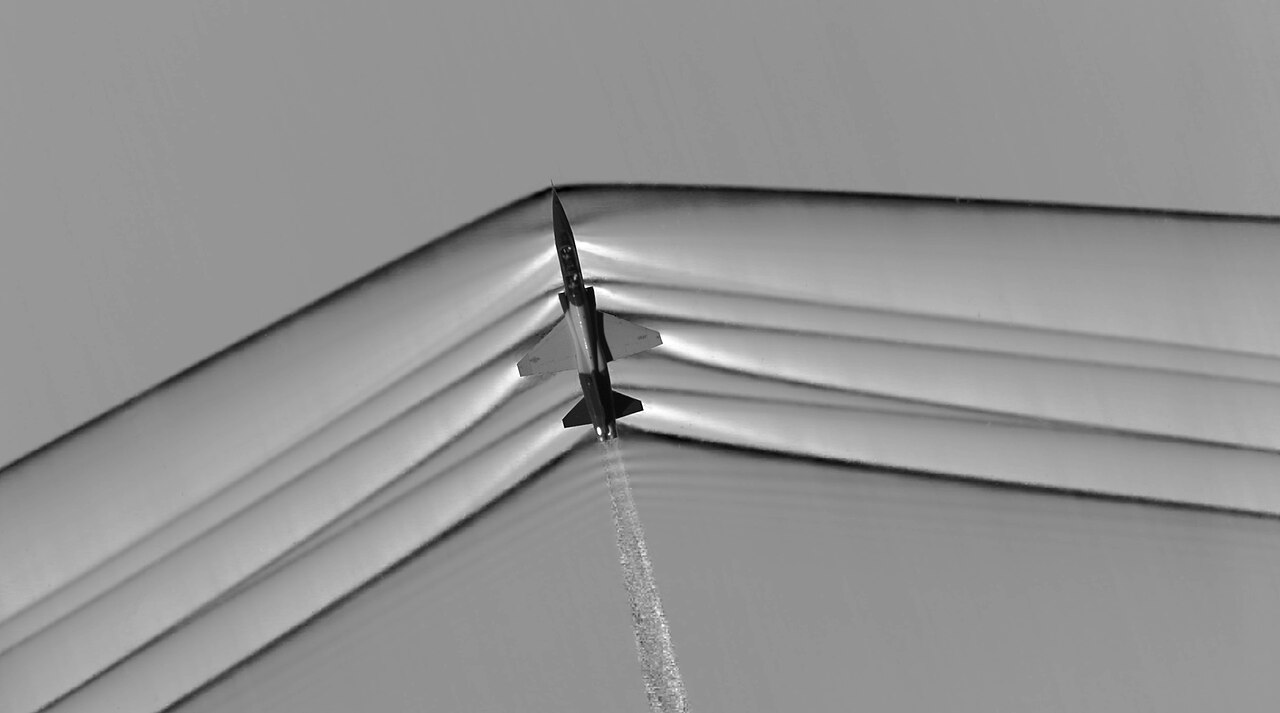
The J85's design brief was simple: build the smallest possible afterburning turbojet that could power a target drone. GE delivered, the engine worked, and within five years it had been adopted for crewed aircraft — first the Northrop T-38 Talon trainer, then the F-5 Freedom Fighter, then the A-37 Dragonfly attack jet of Vietnam fame.
What makes the J85 special is not its raw performance — many modern engines outperform it on every metric — but its sheer reliability and ease of maintenance. A J85 can be removed from a T-38 by two ground crew with hand tools in under three hours. Modern turbofans typically require a full hangar and overhead crane.
Why the Pentagon Keeps Buying It
The T-38 Talon is supposed to be replaced by the new Boeing T-7A Red Hawk, which uses a modern GE F404 derivative. But the T-7A's production schedule has slipped repeatedly, and the existing 500-aircraft T-38 fleet has to keep flying training sorties at the same rate while the changeover happens. That means continued spares, continued depot overhauls, and continued parts production — at $178 million across the next four years.
The Export Math
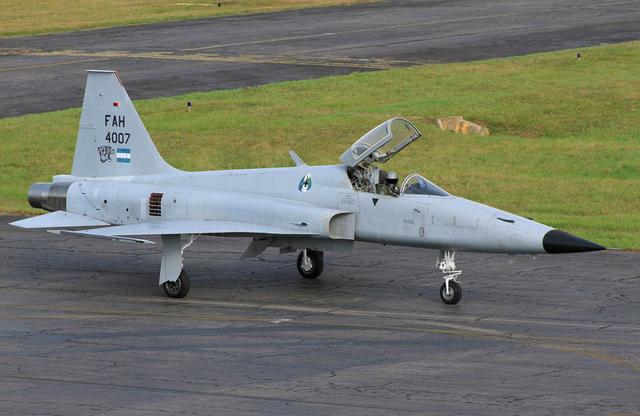
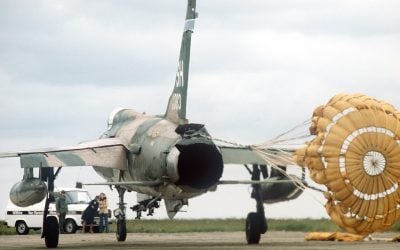
Even if the USAF retired its J85 fleet tomorrow, GE would have a queue of customers asking for spares and overhauls. Twenty-five air forces still operate F-5 Tigers — Switzerland, Iran (yes, still flying its 1970s Tigers), Brazil, Singapore, Mexico, Turkey, and the United States itself, which uses Tigers as Navy aggressor aircraft. Every one of them needs J85 overhauls and parts on a rolling cycle.
That makes the J85 the rare case where a 70-year-old design is more profitable to GE than some of its modern engines, simply because the development costs were paid off in the Kennedy administration. Every part and overhaul is essentially pure margin.
A 2030s Retirement, Maybe
The realistic retirement window for the J85 is somewhere in the late 2030s, when the T-7A finally reaches full operational tempo and the last F-5 squadrons either get European or American replacement aircraft. Until then, the engine that started its career powering target drones for Eisenhower will keep going — quietly, reliably, and at a price the Pentagon cannot find a reason to refuse.
Sources: Defence Blog, US Air Force contract announcement, GE Aviation press release.
Related Questions
What is the General Electric J85 engine?
The GE J85 is a compact military jet engine that first ran in 1956 and still powers trainers and fighters today. Producing about 2,950 lbf dry and 5,000 lbf with afterburner, it powers the T-38 Talon, F-5 Tiger II, and A-37 Dragonfly. Its simplicity lets a ground crew swap one with hand tools in under three hours.
Why is the Pentagon still buying parts for a 1960s-era engine?
Because the aircraft that use the J85 are not retiring soon. The Defense Logistics Agency has placed more than 178 million dollars in J85 support orders under a contract running through 2030. With about 500 USAF T-38s and 200-plus F-5s worldwide still flying, sustaining the engine is cheaper than redesigning the aircraft.
What aircraft use the J85 engine?
The J85 powers the T-38 Talon jet trainer, the F-5 Tiger II fighter, and the A-37 Dragonfly. Roughly 500 USAF T-38s remain in service, plus more than 200 F-5s across some 25 export air forces, sustaining strong demand for spares, especially when events like a fleet-wide grounding keep the type in the spotlight.
Why has the T-38 Talon not been replaced yet?
The T-38 is meant to be replaced by the Boeing T-7A Red Hawk, which uses a modern GE F404 derivative, but the T-7A program has faced repeated setbacks. Meanwhile the existing 500-aircraft T-38 fleet must keep flying training sorties, requiring continued J85 spares and depot overhauls.
How long has the J85 been in service?
The J85 first ran on a test stand in 1956, before Sputnik, and remains in service nearly 70 years later, one of the longest careers of any military jet engine. Current contracts and export demand suggest it will not retire before the 2030s at the earliest.
0 Comments