
Quick Facts
- Date: April 22, 2026
- Seized vessels: MSC Francesca (Panama-flagged), Epaminondas (Liberia-flagged)
- Fired upon: MV Euphoria, near Omani coast
- Attacker: IRGC Navy fast boats
- Context: Hours after Trump extended US-Iran ceasefire
- US naval presence: Three carrier strike groups in theater
A Ceasefire in Name Only
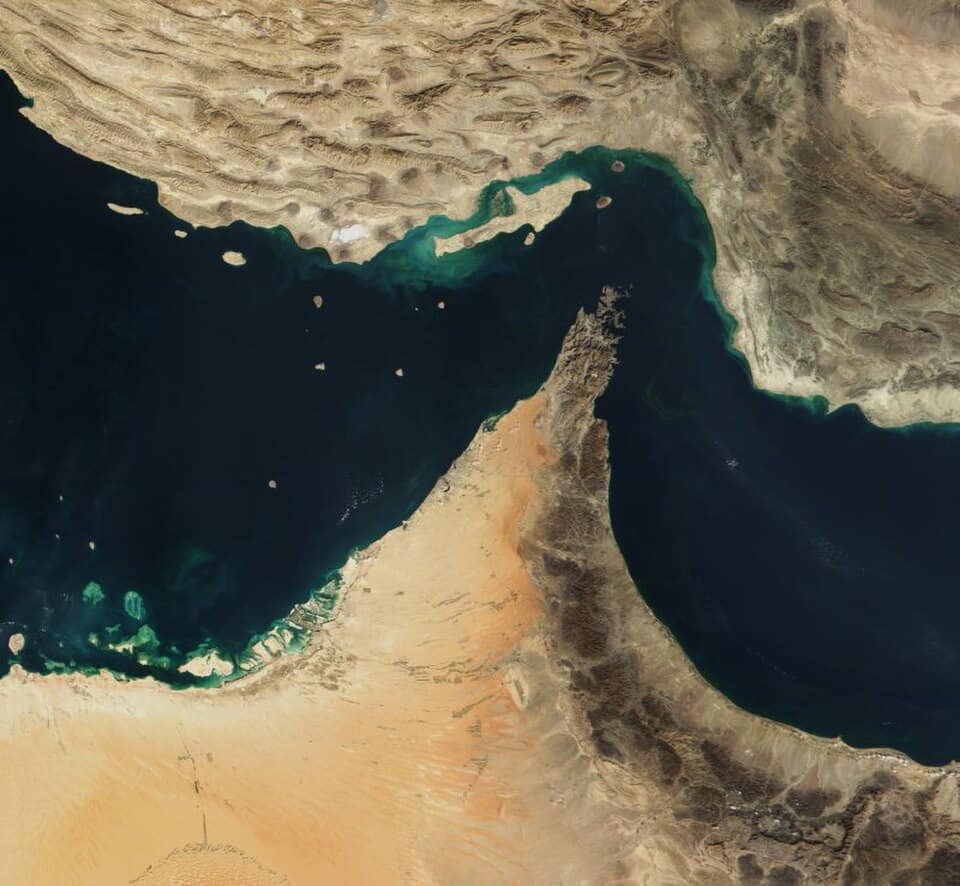
Trump announced the ceasefire extension from the Oval Office on the morning of April 22, calling it “a tremendous step toward a beautiful deal.” The extension was meant to create space for peace talks that have sputtered since the original ceasefire began on April 8, following weeks of intense air strikes against Iranian military infrastructure. But Tehran’s senior military adviser dismissed the gesture within hours. An Iranian official told Al Jazeera the ceasefire “means nothing” as long as the US naval blockade of Iranian ports remains in force. The Strait of Hormuz — through which roughly 20 percent of the world’s oil once flowed — has been effectively closed to commercial shipping since late February.
Three Carriers, Still Not Enough
The US Navy currently has three carrier strike groups operating in and around the Persian Gulf — the Ford, Lincoln, and Bush CSGs — the largest concentration of American naval power since the 2003 invasion of Iraq. The USS Spruance made headlines just days earlier when it fired 5-inch rounds at an Iranian vessel that refused to heave to. Yet even this armada cannot prevent the IRGC from harassing commercial shipping in waters it knows intimately. Iran’s fast-boat swarm tactics, honed over decades of exercises in the shallow, confined strait, remain difficult to counter without escalating to direct confrontation.The Oil Shock Spreads
The immediate casualties of the strait closure aren’t military — they’re economic. Jet fuel prices in Europe have doubled since the war began on February 28, reaching a record $1,840 per metric ton. Airlines are slashing routes. Shipping insurance premiums for Gulf transits have spiked 400 percent. Every seized vessel, every burst of machine-gun fire from an IRGC fast boat, pushes the prospect of normalized shipping further into the future. And with peace talks showing no progress, the strait could remain contested for months.
What Happens Next
The seizures put Washington in an impossible position. Rescuing the ships risks escalation during a ceasefire the administration desperately wants to hold. Doing nothing emboldens the IRGC and undermines the credibility of the naval blockade. The Tripoli ARG’s seizure of an Iranian-flagged vessel on April 19 showed the US is willing to board ships too — but tit-for-tat seizures are a dangerous game in a 34-mile-wide chokepoint. For now, the ceasefire continues on paper. In the Strait of Hormuz, it was never more than ink.Sources: NPR, CNBC, Al Jazeera, CBS News, Time


 English
0 Comments