
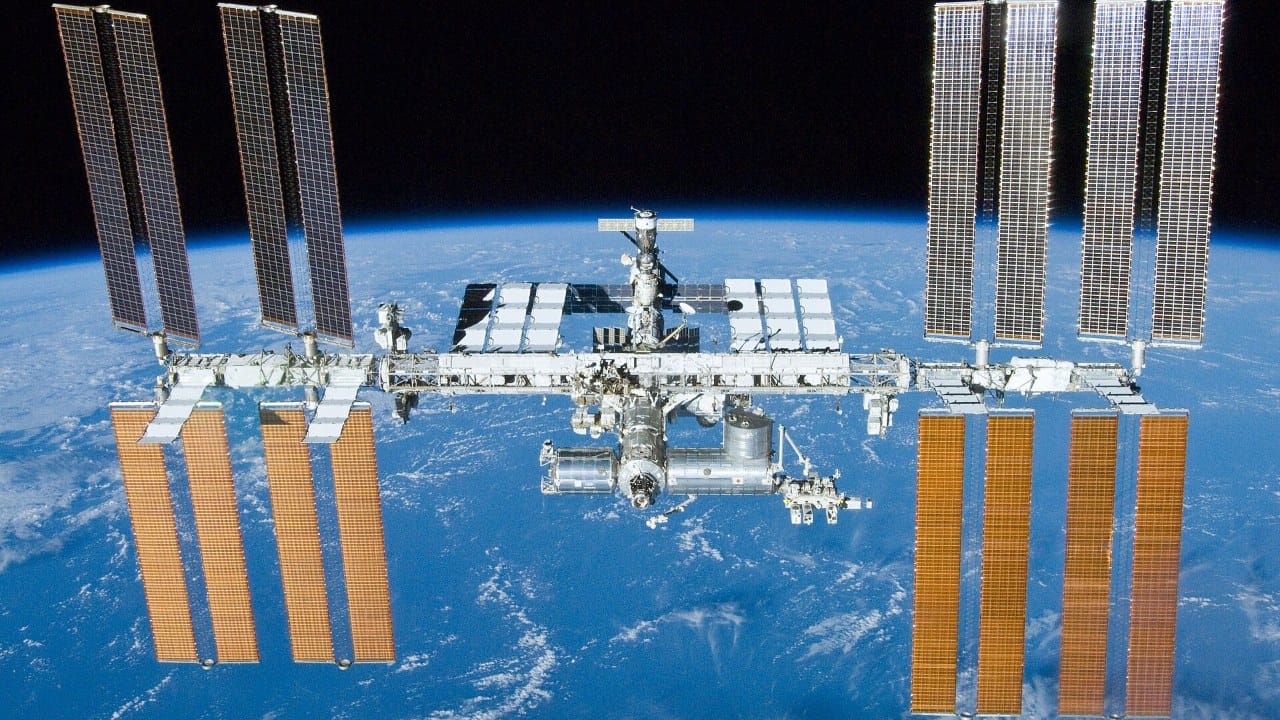
At 9:04 in the morning Eastern time, mission control in Houston sent four people in orbit an instruction no astronaut wants to hear: get into your spacecraft, put on your suits, and be ready to leave. Not for a drill. Because the International Space Station is losing air — and the leak is getting worse.
The four members of NASA’s Crew-12 — two Americans, a French astronaut and a Russian cosmonaut — moved into their docked SpaceX Crew Dragon on Friday while Russian crew members work to plug a worsening leak on the Russian side of the station, NASA said. The Dragon is their lifeboat: if the order comes, they undock and go home.
Quick Facts
- What: Worsening air leak aboard the International Space Station
- Where: The PrK transfer tunnel on Russia’s Zvezda service module
- Who: Crew-12 — two US astronauts, one French astronaut, one Russian cosmonaut — sheltering in their Crew Dragon, suits on
- Leak rate: Roughly half a kilogram of air per day after resurfacing in early May
- Status: Russian crew attempting repairs; NASA monitoring pressure, evacuation prepared but not ordered
A Lifeboat Drill That Isn’t a Drill
Sheltering in the docked spacecraft is the station’s ultimate precaution — the step before abandoning a laboratory that has been continuously inhabited for a quarter of a century. Crews have taken cover before, for debris passes and depressurisation scares. What makes this different is the cause: a structural flaw that engineers have watched, argued over, and failed to permanently fix for years.
The leak sits in the PrK, the small vestibule that connects the aft docking port of the Zvezda service module to the rest of the station. Hairline cracks were first noticed there in 2019. Patches and sealant slowed the loss. In January the leak appeared to stabilise. In early May, it came back — and kept growing.
The Crack That Won’t Stop Growing
Zvezda is one of the station’s oldest pieces of hardware — launched in July 2000, it has been pressurised, heated, frozen and vibrated through more than 150,000 orbits. The current loss rate of roughly one pound of air per day is not immediately dangerous in a station that carries reserves. The trend is the problem.
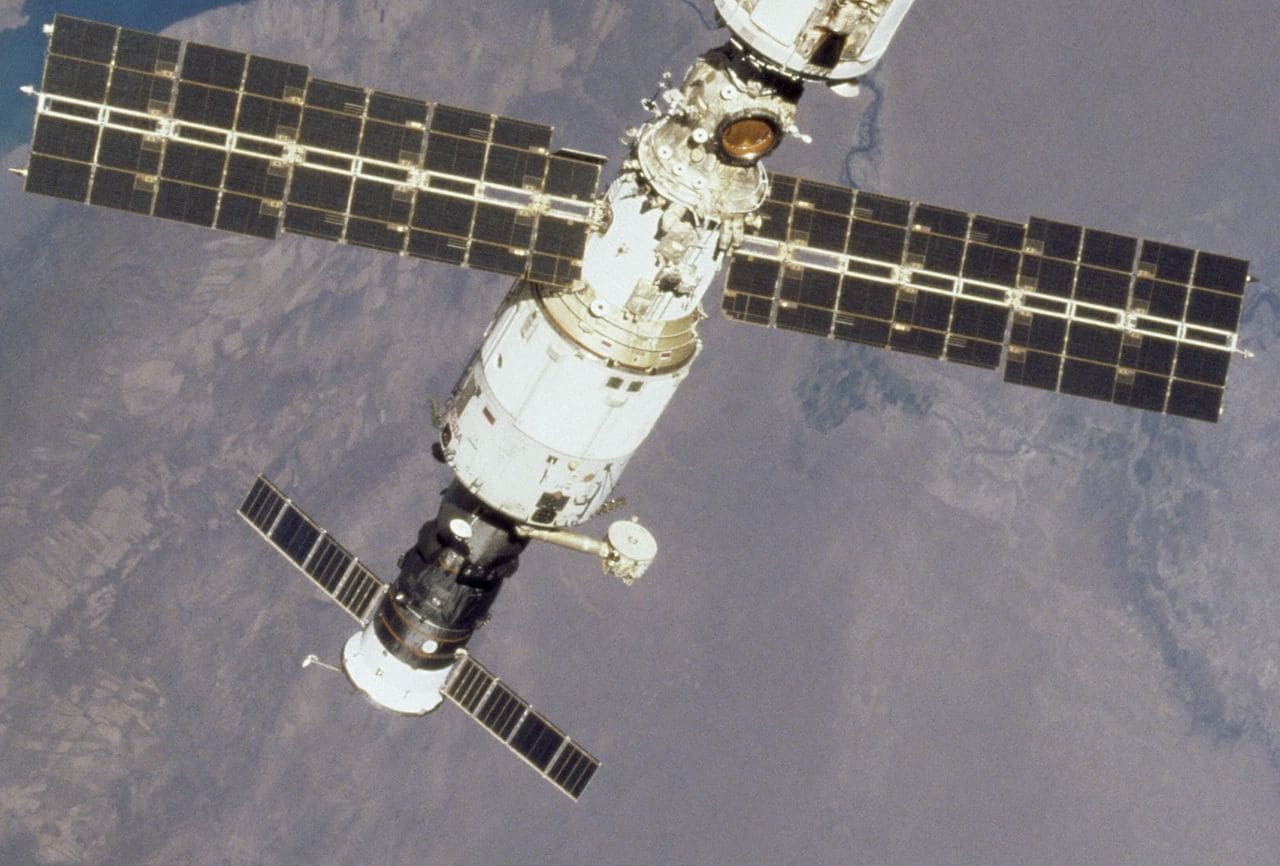
The leak has already reshaped flight planning. NASA indefinitely postponed a private astronaut mission to the station, citing the leak. Progress cargo ships dock at the very port served by the cracked tunnel, which means every resupply cycle stresses the damaged structure again.
Two Agencies, Two Stories
What worries engineers most is that NASA and Roscosmos still do not agree on what is cracking Zvezda. Russian engineers point to metal fatigue from years of micro-vibrations. NASA believes the cause is multi-layered — pressure cycling, mechanical and residual stress, material properties and environmental exposure all acting together. NASA’s own safety advisers have ranked the cracks among the station’s gravest risks and have used the phrase “catastrophic failure” in public meetings.
The station is approved to fly until 2030, with a SpaceX-built deorbit vehicle already under contract for the end. Friday’s shelter order is a reminder that the timeline has another author: a 26-year-old aluminium tunnel, leaking into the vacuum, on the far side of the sky.
Sources: Reuters, Ars Technica, SpaceNews, Space.com
Related Posts


 English
0 Comments