
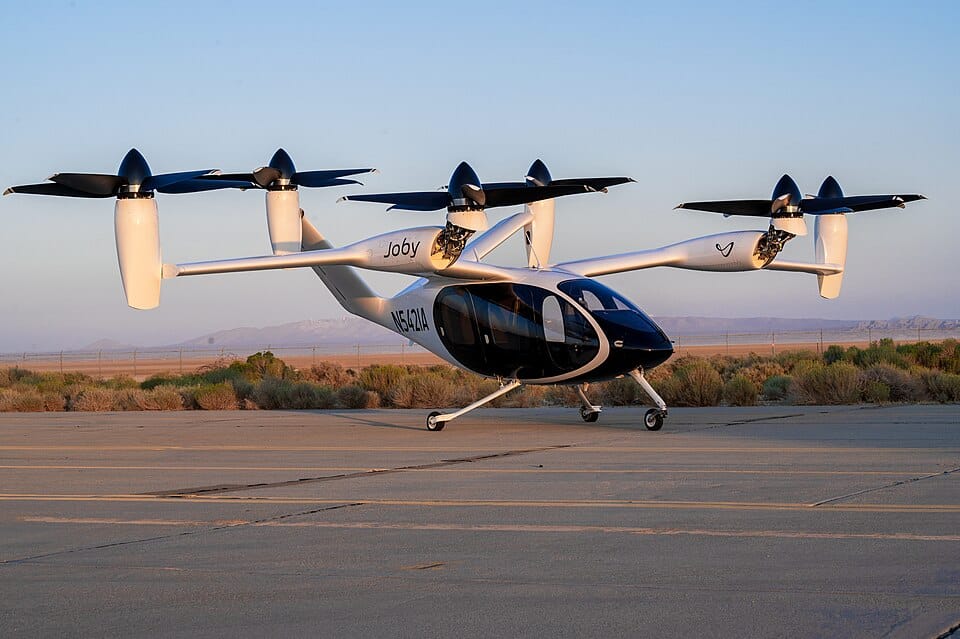
In late April 2026, a white, six-rotor aircraft lifted off from John F. Kennedy International Airport, tilted its propellers forward, and landed at the East 34th Street Heliport in Midtown Manhattan seven minutes later. No jet fuel. No noise complaints. No two-hour crawl through Queens traffic. Just a quiet electric hum over the skyline and a future that suddenly looks a lot closer than anyone expected.
Joby Aviation's week-long flight campaign across New York City — the first point-to-point eVTOL flights in the city's history — was not a stunt. It was a dress rehearsal for a commercial service the company plans to launch before the end of the year.
✈ Aircraft: Joby S4 eVTOL (N545JX)
🕑 JFK to East 34th St: 7 minutes (vs. 60-120 min by car)
📅 Flight campaign: late April – early May 2026 (announced April 27)
🌎 Tour: 2026 Electric Skies Tour (celebrating US 250th anniversary)
📋 Routes: JFK ↔ Downtown Skyport, West 30th St, East 34th St heliports
🎯 Certification: Stage 4 of 5 FAA stages cleared; targeting late 2026
🤝 Partners: Delta Air Lines, Uber, NYCEDC, Skyports
Seven Minutes Over the East River
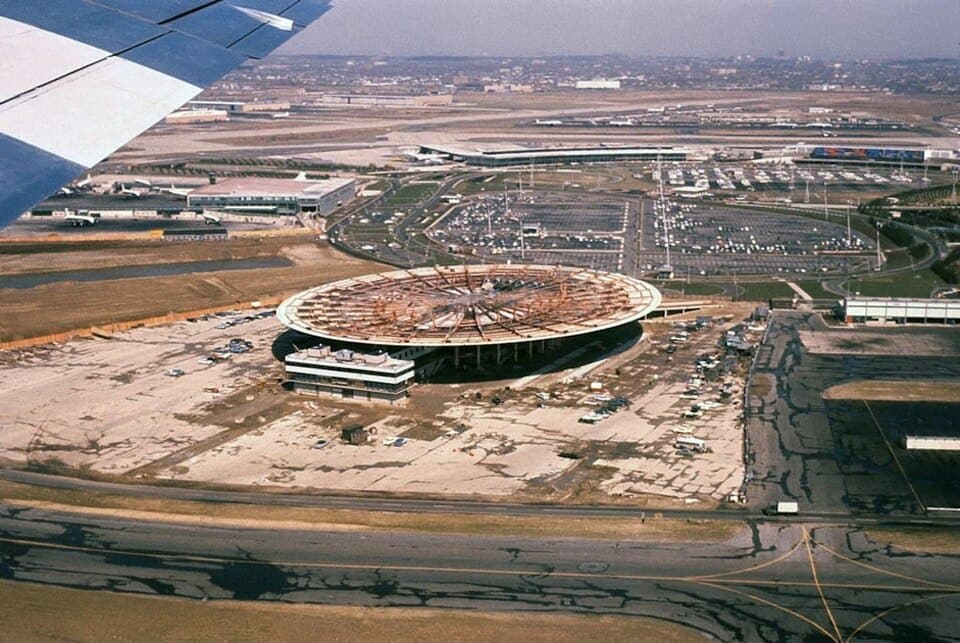
The week-long flight campaign, announced on April 27, saw Joby's S4 aircraft (tail number N545JX) operating across New York's existing heliport network. Routes connected JFK with three Manhattan landing sites: the Downtown Skyport near Wall Street, the West 30th Street Heliport on the Hudson, and the East 34th Street Heliport on the East River.
Each route slashed what is normally a brutal ground journey into a matter of minutes. The JFK-to-Midtown corridor — seven minutes in the Joby, up to two hours in a taxi — is the most dramatic demonstration yet of what electric vertical takeoff and landing aircraft can do for urban mobility.
The Electric Skies Tour
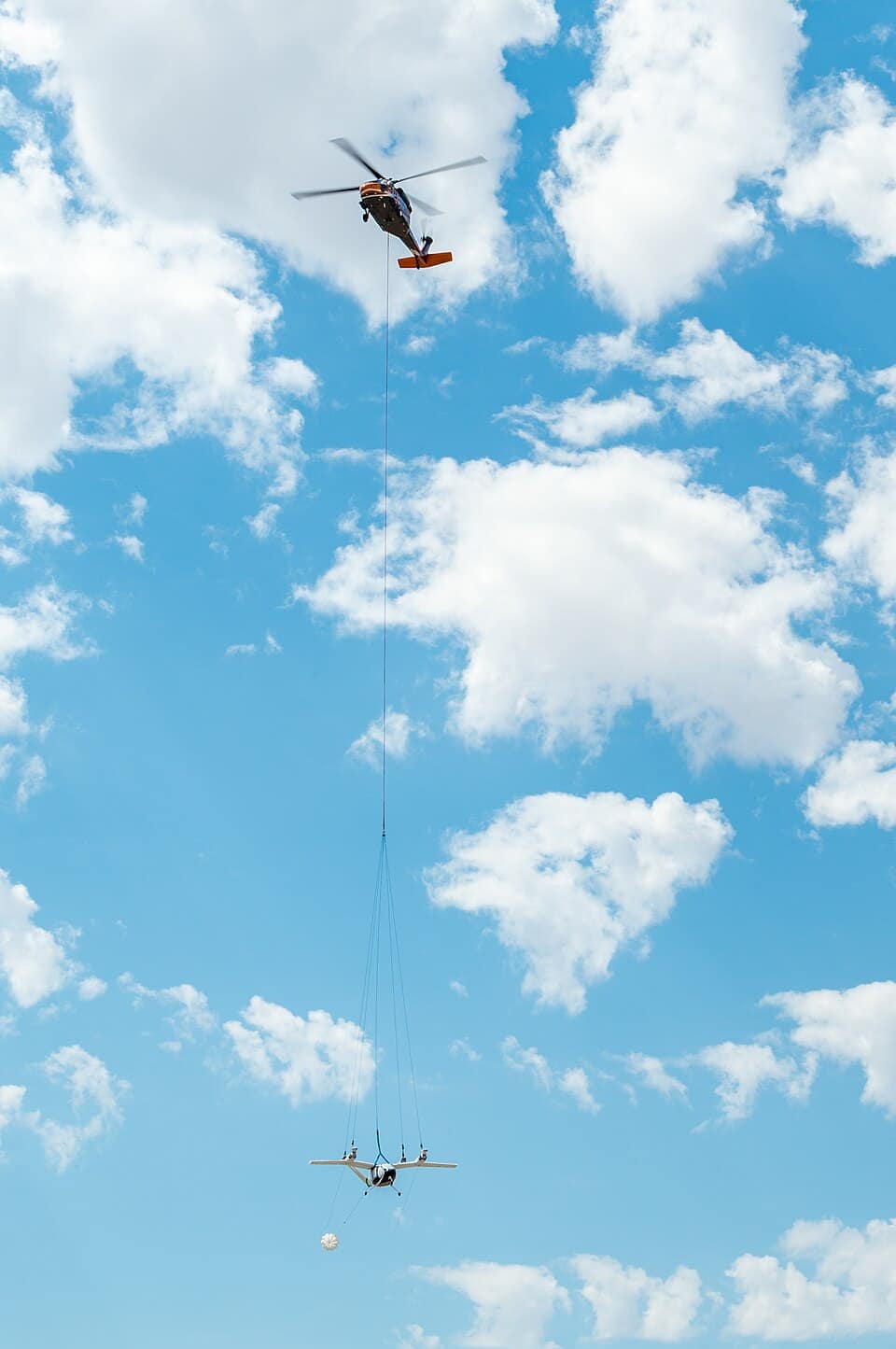
The New York demonstrations are the second stop on Joby's 2026 Electric Skies Tour, a national campaign timed to celebrate the United States' 250th anniversary. The tour launched in March with a flight over the Golden Gate Bridge in San Francisco, and New York was selected under the FAA's eVTOL Integration Pilot Program — a federal initiative designed to help cities prepare for commercial air taxi operations.
New York was an obvious choice. The city already has a functioning heliport network, a massive population that endures some of the worst ground traffic in America, and a partner in the NYC Economic Development Corporation (NYCEDC) that actively wants electric aviation in its airspace. Joby's 2025 acquisition of Blade Air Mobility's passenger business — which served over 90,000 passengers that year — gave the company an instant operational footprint across Manhattan and the metro area's airports.

The Road to Certification
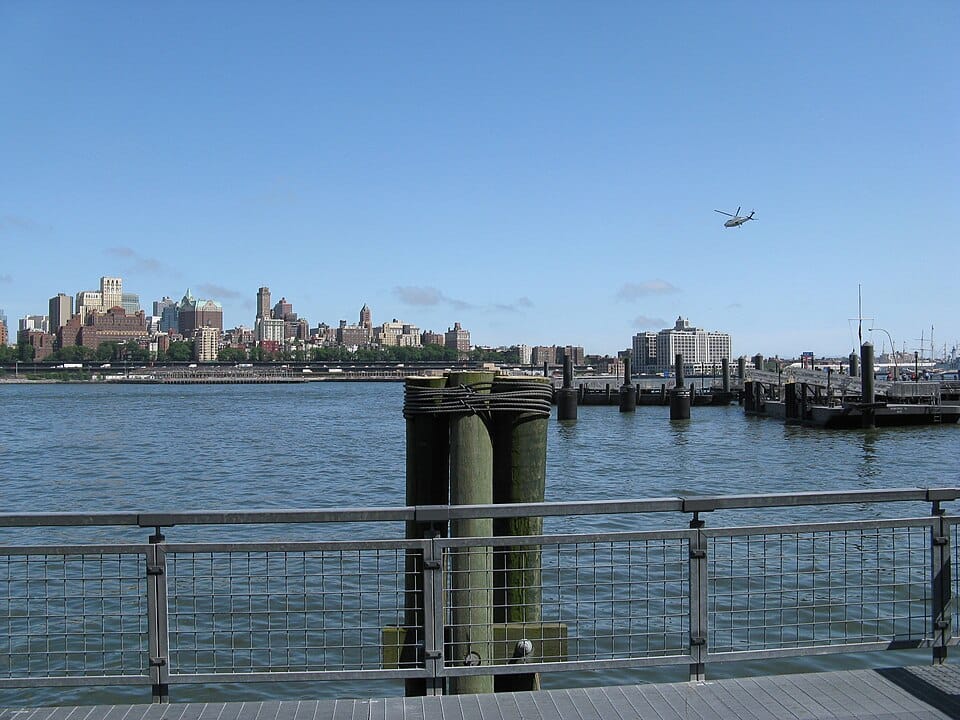
Joby cleared Stage 4 of the FAA's five-stage type certification process in late March 2026. Stage 5 — the final conformity inspection and operational demonstration — is expected to be completed by late this year. If successful, Joby will hold the first-ever type certificate issued for an electric vertical takeoff and landing aircraft in the United States.
The commercial model is already taking shape. Through its partnership with Delta Air Lines, Joby envisions a seamless airport connector: a passenger books on the Uber app, takes a ground vehicle to the nearest vertiport, flies to JFK or another airport in minutes, and boards a Delta flight. The reverse works on arrival. It is the kind of multimodal integration that urban planners have dreamed about for decades, and the NYC flights proved it can work in the most demanding airspace in America.
Joby Over New York — The Historic Flights
What happened over New York in late April was not just a technology demonstration. It was the moment electric aviation stopped being theoretical and started being geographic — specific routes, specific heliports, specific travel times. Seven minutes from JFK to Midtown. The age of the air taxi has an address now, and it is 34th Street.
Sources: Joby Aviation, NYCEDC, The Next Web, Flying Magazine, DroneXL, Aerospace Testing International
Related Questions
How long does Joby's eVTOL take from JFK to Manhattan?
Joby Aviation's S4 eVTOL flew from JFK International Airport to the East 34th Street Heliport in Manhattan in about seven minutes — a trip that can take 60 to 120 minutes by car. The late-April 2026 flights were the first point-to-point eVTOL flights in New York City's history.
What is the Joby S4 eVTOL?
The Joby S4 is a five-seat, six-rotor electric vertical takeoff and landing aircraft (the New York demo used tail number N545JX). It takes off vertically like a helicopter, tilts its rotors to fly forward like a plane, and runs on battery power — quiet, with no jet fuel. Joby targets commercial service in 2026.
When will Joby's air taxi service launch?
Joby plans to launch commercial service before the end of 2026. Its New York flight campaign in late April–early May 2026, part of the "Electric Skies Tour," was a dress rehearsal. Joby had cleared Stage 4 of the FAA's five-stage type-certification process and works with partners including Delta Air Lines, Uber and Skyports.
Where did Joby fly in New York City?
Joby's S4 operated across New York's existing heliport network, linking JFK with three Manhattan sites: the Downtown Skyport near Wall Street, the West 30th Street Heliport on the Hudson, and the East 34th Street Heliport on the East River. Each route cut a long ground journey to a few minutes.
What's stopping eVTOL air taxis from operating everywhere?
Mainly infrastructure. The aircraft are nearly ready, but cities need vertiports with megawatt charging, and eVTOLs require a whole new kind of airport. Costs and permitting are steep, which — combined with how eVTOL firms have burned roughly $12 billion — keeps commercial roll-out cautious.
Is the Joby eVTOL certified by the FAA?
Not fully yet. As of the 2026 New York flights, Joby had cleared Stage 4 of the FAA's five-stage type-certification process, with final certification targeted for late 2026. Holding an FAA certificate to operate flights does not mean the aircraft type is fully approved for routine commercial passenger service.

0 Comments