
Quick Facts
- Total industry cash burn: ~$12 billion (top 10 companies)
- Joby Aviation deficit: $2.66 billion
- Archer Aviation deficit: ~$2.5 billion
- Vertical Aerospace deficit: $1.5 billion
- Lilium deficit: $1.5 billion (before insolvency)
- Paying passengers carried: Zero
- Comparison: 4× the very light jet bust; more than Boeing's best-ever annual profit
- First commercial flights expected: Dubai (Joby/Uber) — late 2026
The Money Trail
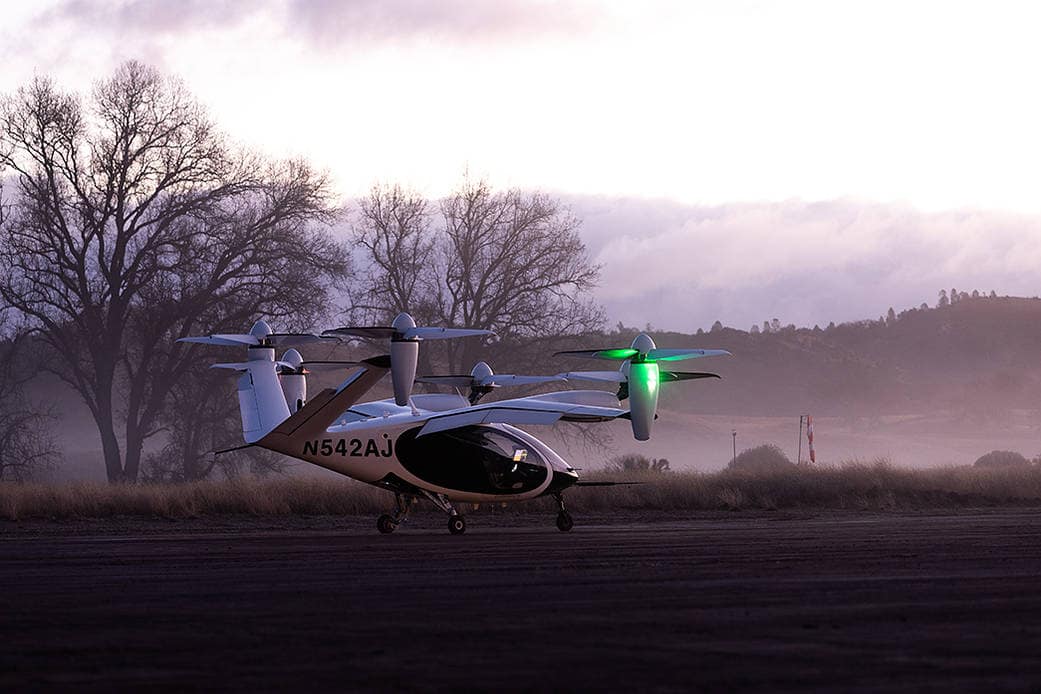
Joby Aviation is the front-runner and the biggest spender. The company, backed by Toyota and partnered with Uber for air taxi operations, has burned through $2.66 billion developing its five-seat, six-rotor electric aircraft. It has flown thousands of test hours and holds an FAA Part 135 air carrier certificate — but certification of the aircraft itself remains incomplete. Archer Aviation follows with roughly $2.5 billion in accumulated losses. The company completed flight testing in the UAE and plans commercial service in Miami, Los Angeles, and Abu Dhabi. Archer also weathered a trade-secrets lawsuit from Wisk (now part of Boeing), settled in 2023, and its path to FAA type certification has been longer than promised. The most dramatic casualty is Lilium, the German eVTOL maker that raised $1.5 billion before filing for insolvency in late 2024. The company's jet-powered VTOL concept attracted massive investment but proved technically and financially unviable. A rescue consortium agreed to buy its assets, but the funding collapsed and operations ceased for good in February 2025 — and the $1.5 billion spent by the original company is gone.The Very Light Jet Parallel
Aviation veterans see echoes of the very light jet (VLJ) craze of the early 2000s. Companies like Eclipse Aviation, Adam Aircraft, and DayJet raised billions on the promise that cheap, small jets would democratise private aviation. Eclipse alone burned through $1 billion before bankruptcy. The VLJ bust destroyed roughly $3 billion in total investor capital — a third of what eVTOL companies have already consumed. The counterargument: eVTOLs have better technology, bigger markets, and more sophisticated backers. Joby's partnership with Uber gives it a built-in ride-hailing network. Dubai and Saudi Arabia are building vertiports. China's EHang has already received certification for autonomous passenger drones.The Race to Revenue
The next twelve months will determine whether the $12 billion was visionary investment or expensive fantasy. Joby and Archer are both targeting commercial launches in 2026 — Joby in Dubai with Uber, Archer in Abu Dhabi. If paying passengers actually fly before the year is out, the narrative shifts from cash burn to market creation. But the physics of battery technology, the complexity of FAA certification, and the cost of manufacturing small, bespoke aircraft remain brutal headwinds. Even optimistic projections show years before any eVTOL company reaches profitability. For now, $12 billion sits on the burn side of the ledger. The revenue column is still empty. Sources: Vertical Mag, The Motley Fool, Flying Magazine, Autonomy GlobalRelated Questions
How much money have eVTOL companies lost?
The top ten eVTOL companies have collectively burned through about US$12 billion in investor capital — roughly four times the losses of the 2000s very-light-jet craze, and more than Boeing earned in its best-ever year. None of the Western players had carried a paying passenger as of 2026, raising hard questions about urban air mobility's economics.
Which eVTOL company has lost the most money?
Joby Aviation is the biggest spender, with an accumulated deficit of about US$2.66 billion. Archer Aviation follows at roughly US$2.5 billion, Vertical Aerospace at US$1.5 billion, and the now-insolvent Lilium at US$1.5 billion before its collapse. Smaller players have burned hundreds of millions more on prototypes, testing and lobbying.
Has any eVTOL carried a paying passenger?
Not among Western developers, as of 2026. Despite thousands of test flights and operating certificates, no Western eVTOL had flown a paying passenger, with first commercial service expected in Dubai late in 2026. Joby has since flown demonstration routes such as JFK to Manhattan in seven minutes.
Why is Joby Aviation significant in the eVTOL race?
Joby is the front-runner, backed by Toyota and partnered with Uber, and has burned about US$2.66 billion developing its five-seat, six-rotor electric aircraft. It has flown thousands of test hours and holds an FAA Part 135 air-carrier certificate, though certification of the aircraft type itself remains incomplete.
What happened to Lilium?
Lilium, the German eVTOL developer, became insolvent after accumulating about US$1.5 billion in losses. Its collapse underscored how capital-intensive electric aviation is: building a certifiable aircraft, then the vertiport infrastructure to operate it, has proven far more expensive and slower than the industry projected.
Is the eVTOL industry a bubble?
It's contested. Backers point to near-complete FAA certification and imminent Dubai service; skeptics note about US$12 billion spent with zero Western paying passengers — four times the very-light-jet bust. The outcome likely hinges on whether costs fall and landing infrastructure like the Aeroberm vertiport scales fast enough.
Related Posts
0 Comments