
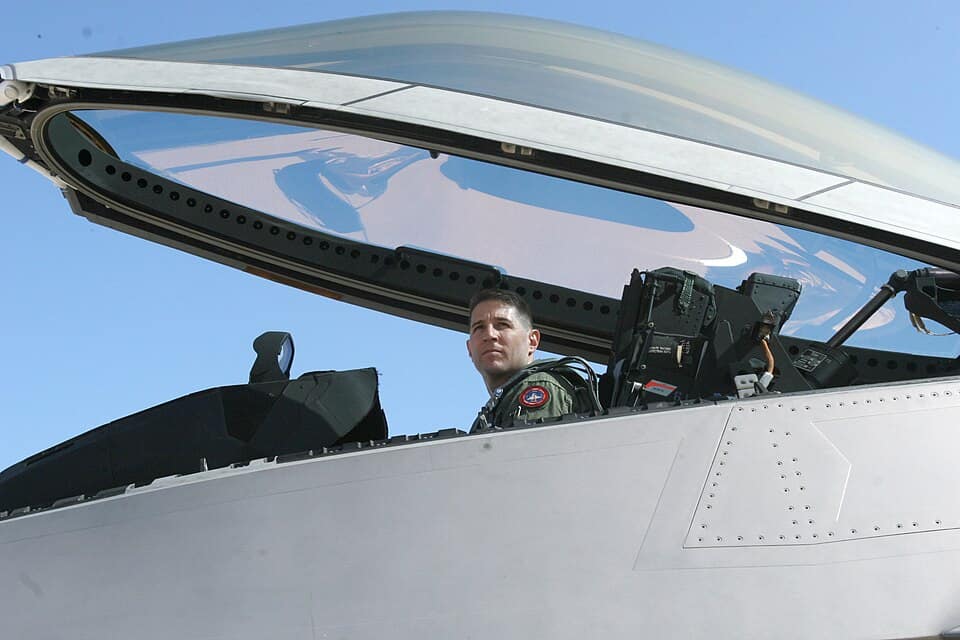
The most powerful aviation job in America just went to a man who used to fly F-22s for a living.
Lockheed Martin has named a former U.S. Air Force Raptor pilot to lead Lockheed Martin Aeronautics — the division that builds the F-22, the F-35, the C-130, and whatever the company is currently bidding for the Air Force’s next-generation fighter and the Navy’s F/A-XX. The position is one of the most consequential in the global defence industry. The new occupant has, not so long ago, been strapped into the very cockpits the company sells.
This is rarer than it sounds. Big U.S. defence contractors have, for the past two decades, leaned on executives with finance and program-management backgrounds — people who can manage thirty-thousand-employee divisions and sit through earnings calls. Putting an actual operator in charge of the airplane business is a deliberate signal.
Quick Facts
Company: Lockheed Martin Aeronautics
Headquarters: Fort Worth, Texas
Approximate workforce: 35,000+ employees
Key programmes: F-35, F-22 sustainment, C-130, F-47 (proposed), F/A-XX (proposed), Skunk Works
Annual revenue (Aero division): approx. $30 billion
New leader: Former USAF F-22 Raptor pilot
Why a Raptor pilot for the corner office
Lockheed Martin Aeronautics is at an inflection point. The F-35 production line is humming, but the programme is mature and unit cost is no longer dropping the way it used to. The F-22 line is closed and has been since 2012, with the company sustaining the existing fleet rather than building new airframes. The next two big bids — the U.S. Air Force’s sixth-generation fighter and the U.S. Navy’s F/A-XX — have not been kind to Lockheed. The Air Force picked Boeing for the F-47. The Navy contract is still live, but the betting is split.
Into that picture walks a leader who knows the customer because he was the customer. The Raptor community is small. The handful of people who have flown the world’s most advanced air-superiority fighter know what they wish their cockpit could do, what their data link should have been, and where the F-22’s original 1990s avionics architecture has held the jet back. That perspective inside Lockheed is unusually direct.

The contracts on the table
The Aeronautics chief inherits a list of programmes that, taken together, will define U.S. tactical aviation through the 2050s.
F-35. Block 4 modernisation is mid-flight, with Tech Refresh 3 hardware deliveries finally moving and post-quantum cryptography upgrades on the way. Foreign sales are still the company’s growth story — Saudi Arabia, the UAE rapprochement, possibly Greece.
F-22 sustainment. The Raptor is now the most expensive air-superiority capability in the inventory and one of the most-deployed. Sustainment contracts grow. Current upgrades to put the jet on jam-resistant navigation and modern data links are Lockheed’s bread and butter.
F/A-XX. The Navy’s next-generation fighter is one of the few remaining clean-sheet aircraft contests on the planet. Lockheed and Northrop Grumman are the front-runners. Boeing is a possibility. The decision is expected later this year. Winning F/A-XX would be the biggest single news for Aeronautics in fifteen years.
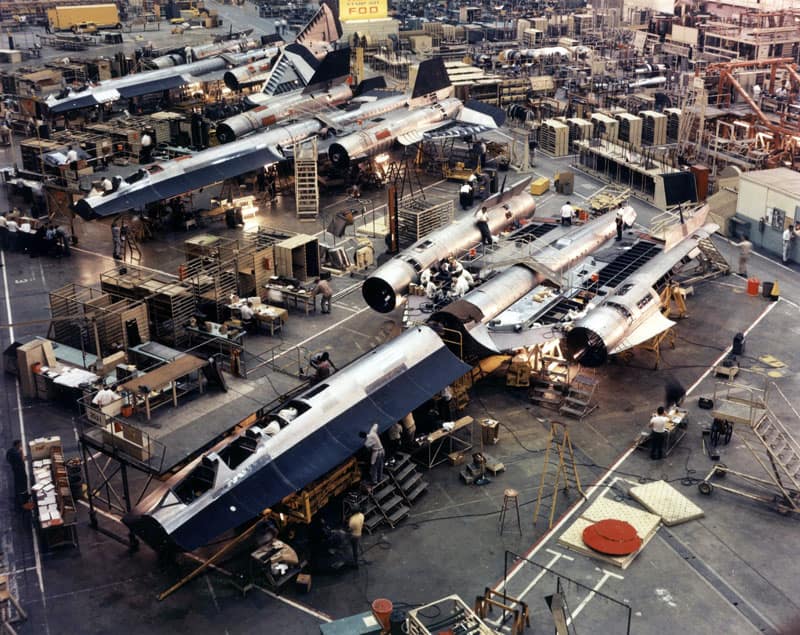
The classified portfolio. Skunk Works, in Palmdale, California, is famously secret. Whatever it is currently flying behind closed hangar doors is, by definition, not in the public conversation. Lockheed will not comment. Industry watchers assume there is at least one classified manned aircraft and at least one major unmanned-aircraft programme.
A pilot’s view of the C-suite
It is worth noting that this is part of a broader trend. Boeing recently put a former Navy F-35 pilot at the head of Boeing Defence. Northrop Grumman has installed an Air Force engineer at the top of its bomber business. The defence industry has decided, after a long detour through pure managerialism, that having operators in the senior ranks helps the company sell to the Pentagon.
It is hard to argue with the logic. Combat aviation is a business in which subject-matter expertise is genuinely operational, where customers are themselves former pilots, and where mistakes — about how a fighter actually fights — turn into multi-billion-dollar problems. A leader who has been on the receiving end of a missile-warning tone in an actual cockpit is, all else equal, going to ask sharper questions about the next-generation electronic-warfare suite.
What to watch
Three things, if you are tracking U.S. defence aviation closely. First, whether the F-35 production cadence holds while Tech Refresh 3 ramps. Second, whether Lockheed wins F/A-XX. Third, whether the Skunk Works classified portfolio finally pushes anything into the open during this leader’s tenure.
The aircraft Lockheed builds for the next twenty years will, in part, reflect the cockpit one man used to sit in.
Sources: Air & Space Forces Magazine, Lockheed Martin investor relations, Defense News.


 English
0 Comments