On May 28, 1987, an 18-year-old West German with 50 hours of flying experience took off from Helsinki in a rented Cessna 172. He told air traffic control he was heading for Stockholm. He turned east instead — straight into the most heavily defended airspace on Earth.
Four hours later, Matthias Rust touched down on Bolshoy Moskvoretsky Bridge, taxied past St. Basil’s Cathedral, and parked his single-engine Cessna next to the Kremlin walls. He stepped out, signed autographs for stunned Muscovites, and waited two hours before the KGB arrived to arrest him.
It remains the most audacious — and consequential — unauthorized flight in aviation history.
A 20-Page Peace Manifesto and a Rented Cessna
Rust was not a thrill-seeker. He was an idealist. Before the flight, he had written a 20-page manifesto on advancing world peace, which he intended to deliver personally to Mikhail Gorbachev. His logic was disarmingly simple: if a teenager in a prop plane could fly unchallenged into the Soviet capital, how could Washington keep calling it the “Empire of Evil”?
“I thought every human on this planet is responsible for some progress,” Rust later explained, “and I was looking for an opportunity to take my share in it.”
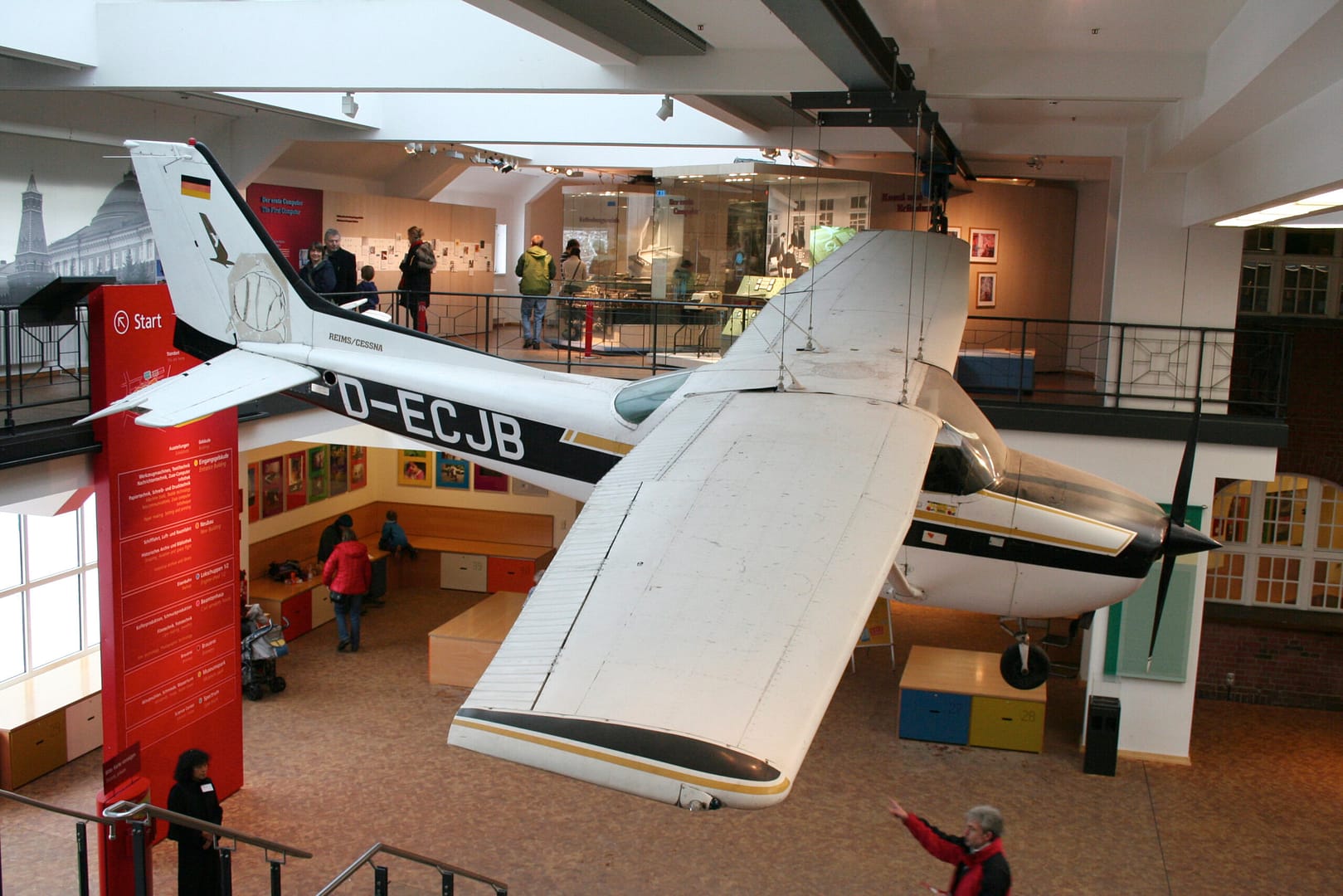
He had prepared meticulously. He studied maps, plotted his route, and chose a Reims-built Cessna F172P — registration D-ECJB — rented from a Hamburg flying club. The aircraft carried enough fuel for roughly five hours. Moscow was four hours from Helsinki.
Straight Through Soviet Air Defense
What happened next exposed the greatest military embarrassment of the Cold War. Rust crossed the Baltic coast into Estonian airspace. Soviet radar picked him up immediately. Three surface-to-air missile battalions of the 54th Air Defence Corps tracked his tiny blip across their screens.
Nobody fired.
A MiG-23 pilot requested permission to intercept. Permission was denied. In the aftermath of the Korean Air Lines Flight 007 disaster four years earlier — when Soviet fighters shot down a civilian Boeing 747, killing 269 people — standing orders prohibited firing on civilian aircraft without authorization from the highest military command.
That command was 1,500 kilometers away. Defense Minister Sergei Sokolov and most of the Soviet military brass were in East Berlin with Gorbachev at a Warsaw Pact summit. With no one senior enough to authorize a shoot-down, Rust’s Cessna drifted deeper into Soviet airspace, occasionally misidentified as a friendly aircraft on faulty IFF transponders.
He flew for four hours across 750 kilometers of the most surveilled territory on the planet. Nobody stopped him.
Landing on Red Square
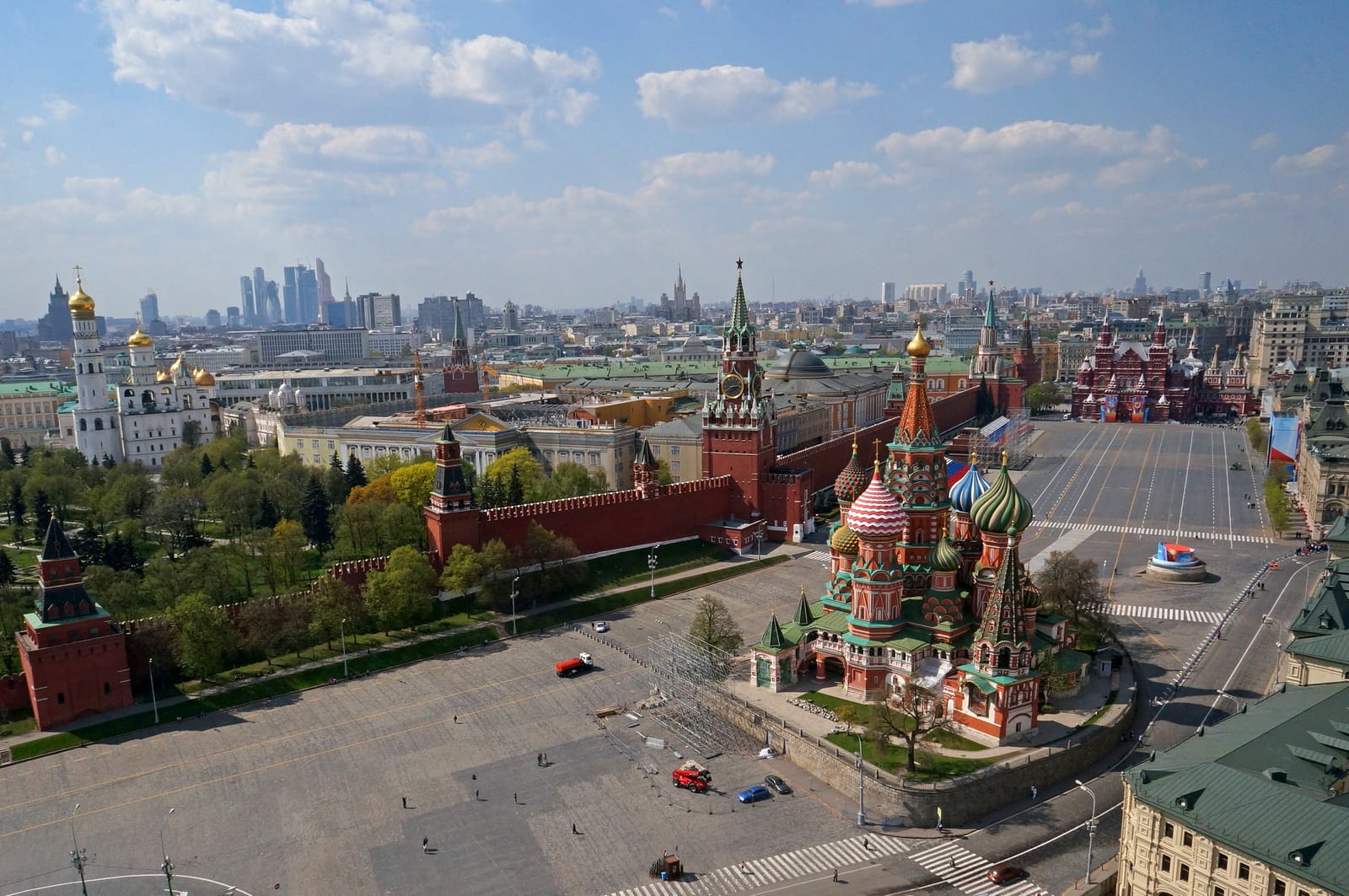
As Rust approached Moscow, he descended to low altitude and began circling, looking for Red Square. He spotted the Kremlin’s red walls and made his approach over the Moscow River. An almost miraculous stroke of luck awaited him: the trolleybus wires that normally stretched across Bolshoy Moskvoretsky Bridge — which would have shredded his wings — had been removed for maintenance that very morning.
He touched down on the bridge at around 6:45 PM local time, rolled past stunned pedestrians, and came to a stop near St. Basil’s Cathedral. Within minutes, a crowd gathered. Rust climbed out, calm and smiling, and began explaining his peace mission to anyone who would listen.
The date was no accident in the eyes of many observers: May 28 was Soviet Border Guard Day, a national holiday celebrating the very forces tasked with preventing exactly what Rust had just done.
The Purge That Changed the Soviet Union
The political shockwave was immediate and devastating. Two days after the landing, Gorbachev fired Defense Minister Sokolov and Marshal Alexander Koldunov, head of Soviet Air Defence Forces. Over 150 senior military officers were dismissed, demoted, or forced into early retirement — the largest military purge since Stalin’s terror of the 1930s.
But here was the twist: Gorbachev had been looking for exactly this opportunity. Western diplomats had speculated for months that he wanted to replace the aging military hardliners who were blocking his reform agenda. Rust’s flight handed him the perfect pretext. The new Defense Minister, General Dmitri Yazov, was younger, more pliable, and firmly aligned with Gorbachev’s vision of perestroika.
A teenager in a Cessna had done what years of political maneuvering could not. He had cracked open the Soviet military establishment and given Gorbachev the leverage to reshape it. Some historians argue that without the Rust affair, the reforms that ultimately ended the Cold War might have taken years longer — or never happened at all.
Trial, Prison, and a Turbulent Aftermath
Rust was tried in Moscow on September 2, 1987. The charges: illegal border crossing, violation of international flight rules, and “malicious hooliganism.” He was sentenced to four years in Lefortovo, the KGB’s high-security detention facility. He served roughly 14 months before being released in August 1988 as a goodwill gesture during improving East-West relations.
His return to Germany was anything but quiet. His family sold the exclusive story rights to Stern magazine for 100,000 Deutsche Marks. But the young man who had dreamed of world peace struggled with life after his moment of global fame, and his later years were marked by personal troubles far removed from the idealism that had driven him across the Baltic.
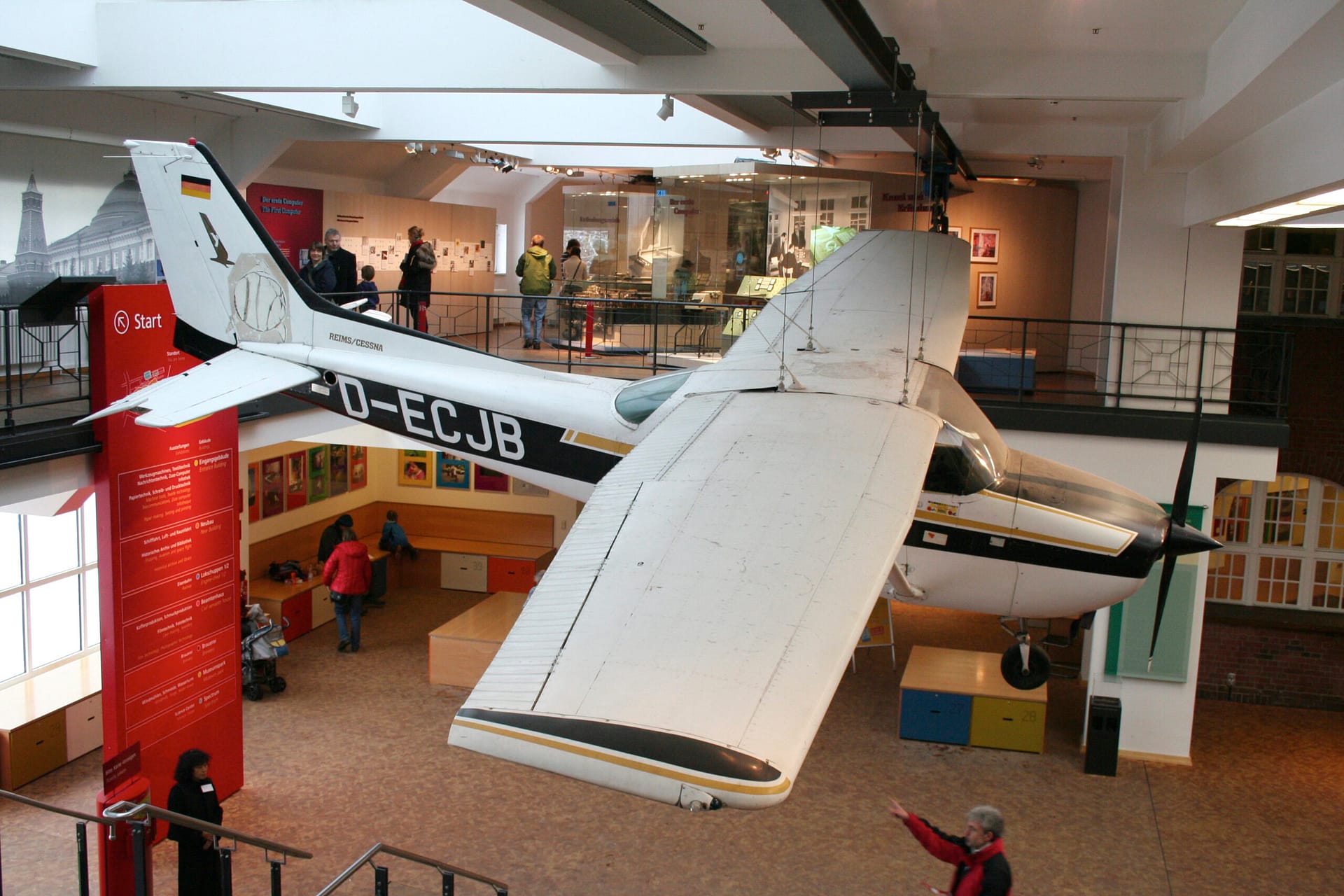
The Cessna D-ECJB itself survives. After years in Japan, it was returned to Germany in 2008 and now hangs in the German Museum of Technology in Berlin — a small white aircraft that once humiliated a superpower.
Legacy: When One Flight Changed History
Nearly four decades later, the Rust flight remains one of the most remarkable single acts in Cold War history. It was not a military operation. It was not espionage. It was an 18-year-old with a rented airplane and an impossible idea — and it worked.
The Soviet air defense system, designed to stop nuclear bombers and cruise missiles, had been defeated by a single-engine trainer cruising at 180 km/h. The political consequences rippled through the Kremlin for years. And the image of a tiny Cessna parked beneath the onion domes of St. Basil’s Cathedral became one of the defining photographs of the late Cold War.
Rust himself put it simply: “I had a sense of peace. How would Reagan continue to say it was the ‘Empire of Evil’ if me, in a small aircraft, can go straight there and be unharmed?”
Sources: Smithsonian Air & Space Magazine, RFE/RL, Foreign Affairs
 English
0 Comments