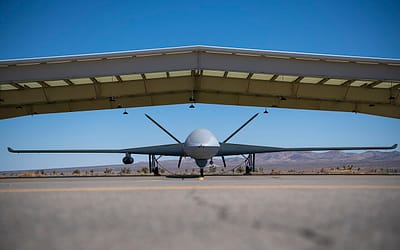
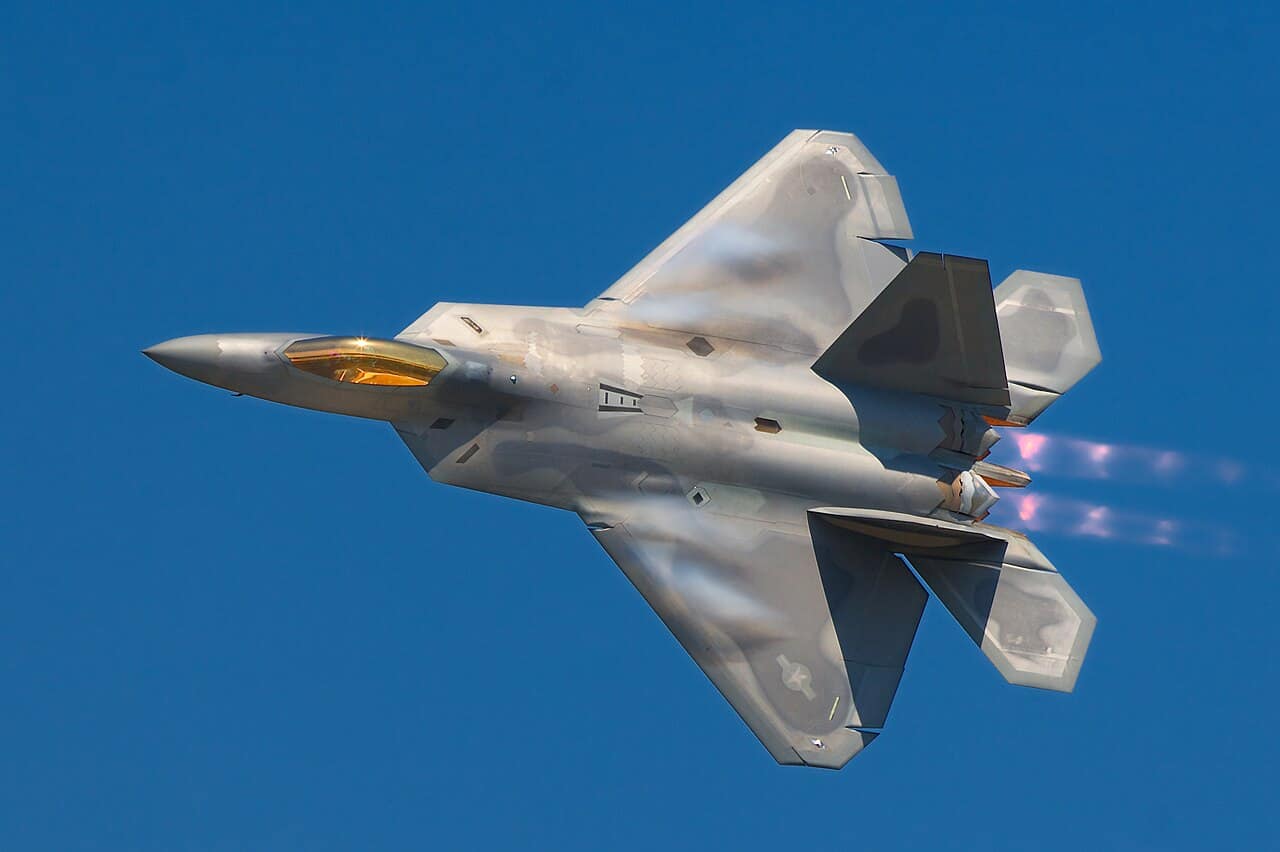
At Edwards Air Force Base in February 2026, an F-22 Raptor pilot did something no fighter pilot has done before in an official U.S. Air Force exercise: he commanded a drone wingman in combat-like conditions. From his cockpit, using a specialist interface on a tablet, he directed a General Atomics MQ-20 Avenger to adjust its flight path, hold a Combat Air Patrol station, and engage a simulated airborne threat — all while the F-22 handled its own mission simultaneously.
It lasted a few hours. It was the second such exercise in four months. And it may represent the most significant shift in fighter aviation since the introduction of radar.
One Pilot, Two Aircraft
The technology that made it possible is called the Autonodyne Bashi Pilot Vehicle Interface — a system that allows an F-22 pilot to issue high-level tactical commands to the MQ-20 without taking his hands off his own aircraft’s controls for long. The drone’s onboard autonomy software interprets those commands and executes them independently, using its own sensors and processing power to navigate, detect threats, and respond.
GA-ASI President David Alexander described the significance clearly: “This demo featured the integration of mission elements and the ability of autonomy to utilise onboard sensors to make independent decisions and execute commands from the F-22.” The drone is not being remotely piloted. It is being directed — like a subordinate officer following orders and using its own judgment to carry them out.
The Logic of Loyal Wingmen
Why does this matter? Fighter pilots are extraordinarily expensive to train and irreplaceable in combat. Unmanned aircraft are comparatively cheap and entirely expendable. The “loyal wingman” concept combines the two: a human in a crewed aircraft makes the high-level decisions — when to engage, when to retreat, which target to prioritise — while autonomous drones execute the dangerous parts of the mission.
In a future conflict over the South China Sea or the Taiwan Strait, where air defenses are dense and losses would be severe, the ability to send a drone to do the riskiest work — first-wave suppression of air defenses, close-in engagement of threats — while the crewed aircraft stays in a safer position changes the calculus of air combat entirely.
From Industry Test to Air Force Reality
The October 2025 exercise at Nevada’s Test and Training Range was industry-funded — General Atomics paying its own bills to prove the concept. The February 2026 exercise at Edwards was different: the U.S. Air Force was an active partner, using government-developed autonomy software. The progression from private experiment to official programme is significant. The Air Force is no longer watching this technology develop. It is building it.
The era of one pilot, one aircraft may be ending. What comes next is one pilot, and however many drones he can command.
Sources: Alert5; General Atomics; U.S. Air Force