
QUICK FACTS
| Operation Name | Ivory Coast (Kingpin) |
| Date | November 21, 1970 |
| Ground Force Commander | Colonel Arthur D. “Bull” Simons |
| Overall Commander | Brig. Gen. LeRoy J. Manor |
| Assault Force | 56 U.S. Army Green Berets |
| Time on Ground | 27 minutes |
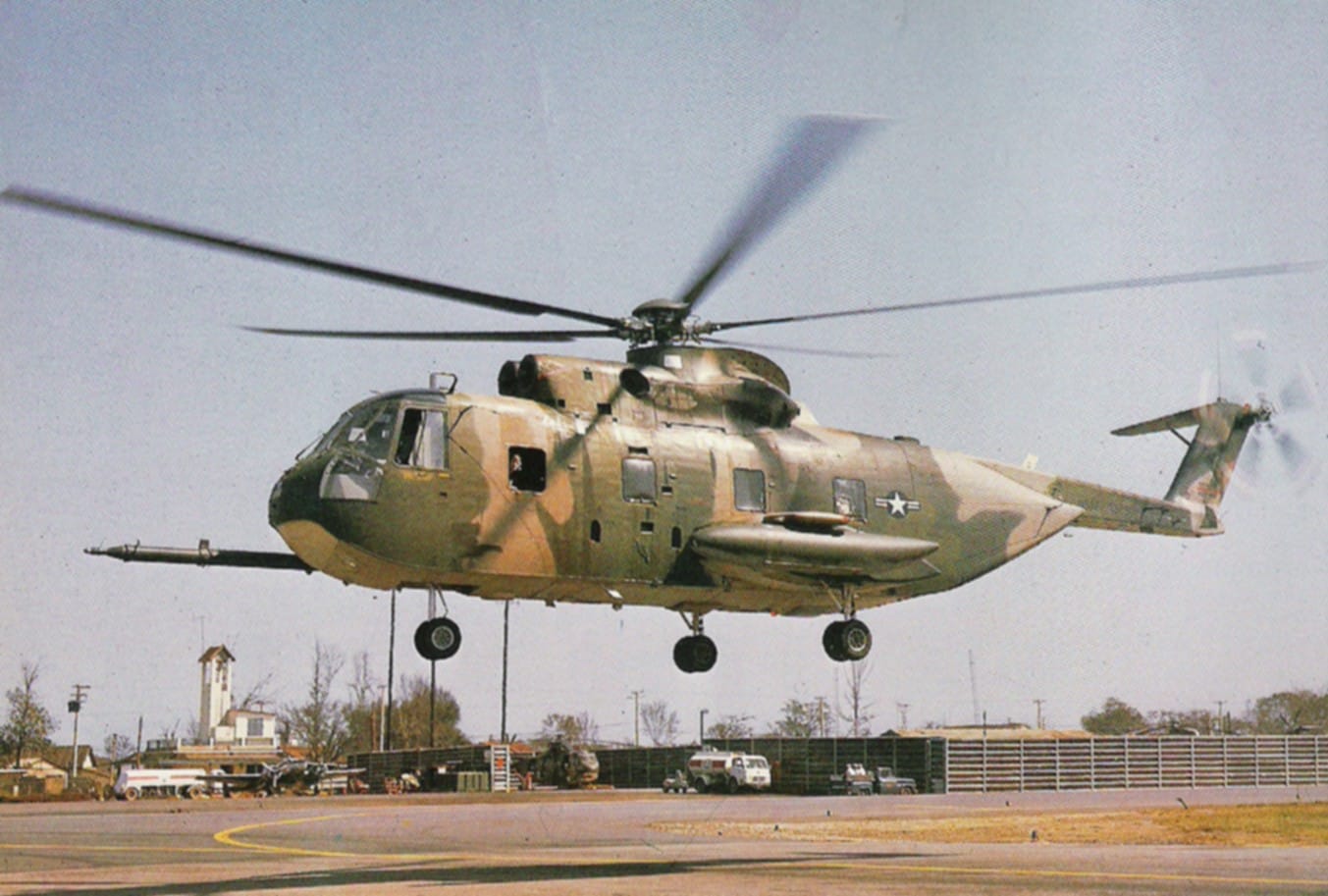
| Aircraft Used | 1 HH-3E, 5 HH-53s, 2 MC-130s, 2 HC-130s |
| U.S. Casualties | 2 wounded, zero killed |
The Man Called “Bull”
Colonel Arthur D. “Bull” Simons was no stranger to impossible missions. A World War II and Korean War veteran who had already led a successful raid to free prisoners from a Japanese prison camp in the Philippines, Simons was the kind of soldier who inspired both fear and absolute loyalty. When the Pentagon needed someone to lead 56 men into the most heavily defended airspace on Earth, they chose Bull.“You are to let nothing — nothing — interfere with the operation. Our mission is to rescue prisoners, not take prisoners.”
Col. Arthur D. “Bull” Simons — Ground Force Commander, Son Tay Raid
Building “Barbara” at Eglin
The planning for Operation Ivory Coast was extraordinary in its detail. At Eglin Air Force Base in Florida, the raiders constructed a full-scale mockup of the Son Tay compound for night rehearsals, working alongside a detailed tabletop model of the camp codenamed “Barbara”, built from reconnaissance photography. They rehearsed the assault more than 170 times over a period of several months, always at night, always in conditions simulating the real approach.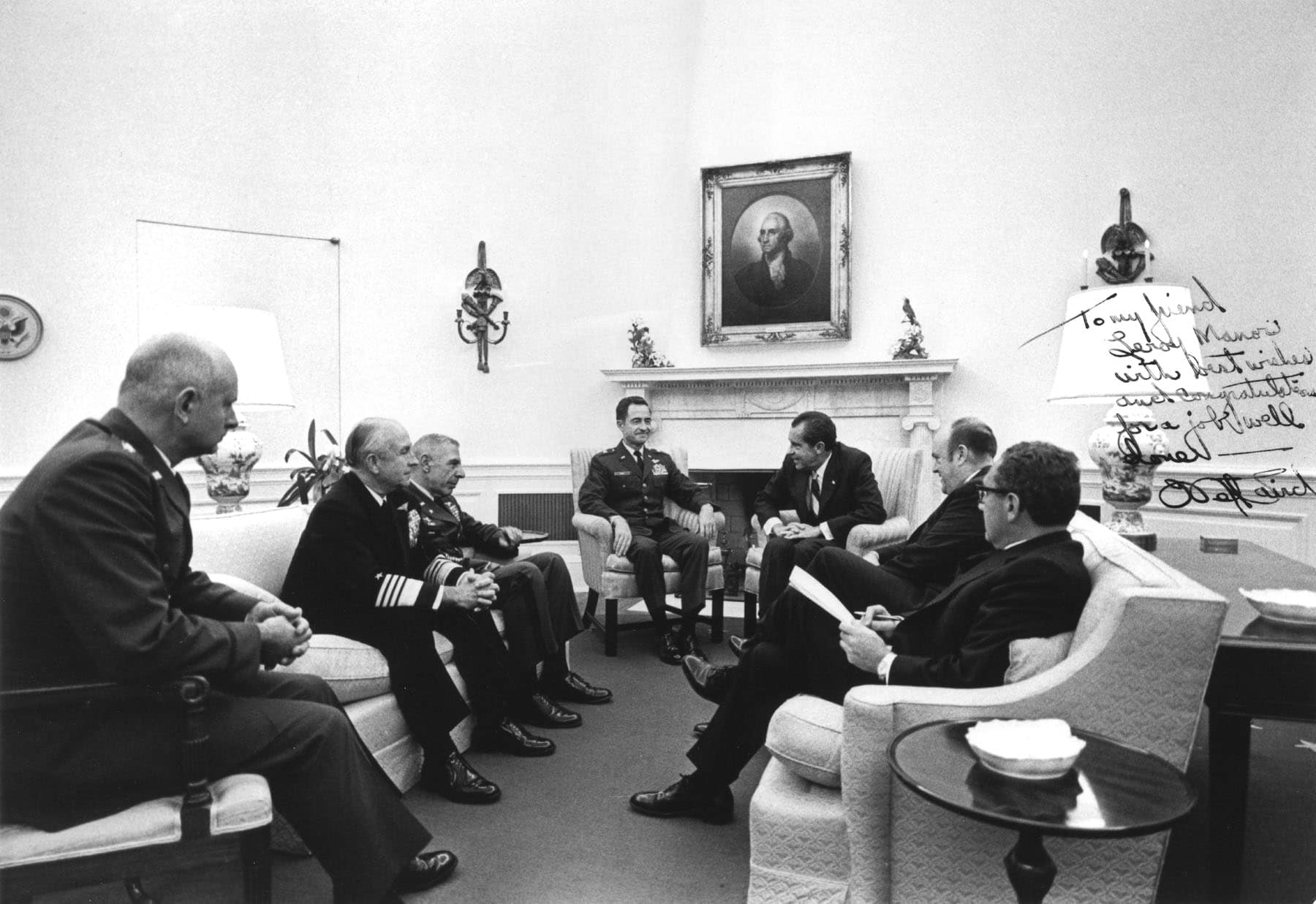
27 Minutes in Enemy Territory
The raiders lifted off from Udorn Royal Thai Air Force Base in Thailand just after midnight. The formation — one HH-3E and five HH-53 Super Jolly Green Giant helicopters, escorted by MC-130 Combat Talon aircraft and A-1 Skyraiders — flew low-level at treetop height through mountains and river valleys to avoid radar detection. HC-130 tankers refueled the helicopters en route. At 2:18 a.m., the HH-3E “Banana 01” deliberately crash-landed inside the compound walls. The crash landing was intentional — the courtyard was too small for a conventional helicopter landing. The 14-man Blueboy assault team stormed the buildings within seconds.“We’re Americans. Keep your heads down.” — called out through a bullhorn as his team cleared the cell blocks. Within minutes it was clear the camp was empty, and Meadows radioed the code words: “Negative items.”
Dick Meadows — Captain, U.S. Army Special Forces, Blueboy Team Leader
Empty Bunks, Full Legacy
The discovery that Son Tay was empty was devastating. The POWs had been relocated to a camp the prisoners called “Camp Faith,” 15 miles closer to Hanoi. The intelligence failure was significant — but the raid’s tactical execution was virtually flawless. The aftermath, paradoxically, improved conditions for American POWs. Alarmed by the audacity of the raid, the North Vietnamese consolidated their scattered prison camps, bringing hundreds of isolated prisoners together into larger facilities. For the first time, many POWs who had been held in solitary confinement for years found themselves with companions. Morale soared. More importantly, the Son Tay Raid exposed critical weaknesses in how the U.S. military organized and executed joint special operations. The lessons learned led directly to the establishment of the Joint Special Operations Command (JSOC) in 1980 and the U.S. Special Operations Command (USSOCOM) in 1987. Every special operations mission conducted since — from the Bin Laden raid to modern hostage rescues — traces its doctrinal DNA to those 27 minutes at Son Tay.Sources: U.S. Army, National Museum of the USAF, Air & Space Forces Magazine, Defense Media Network
 English
0 Comments