
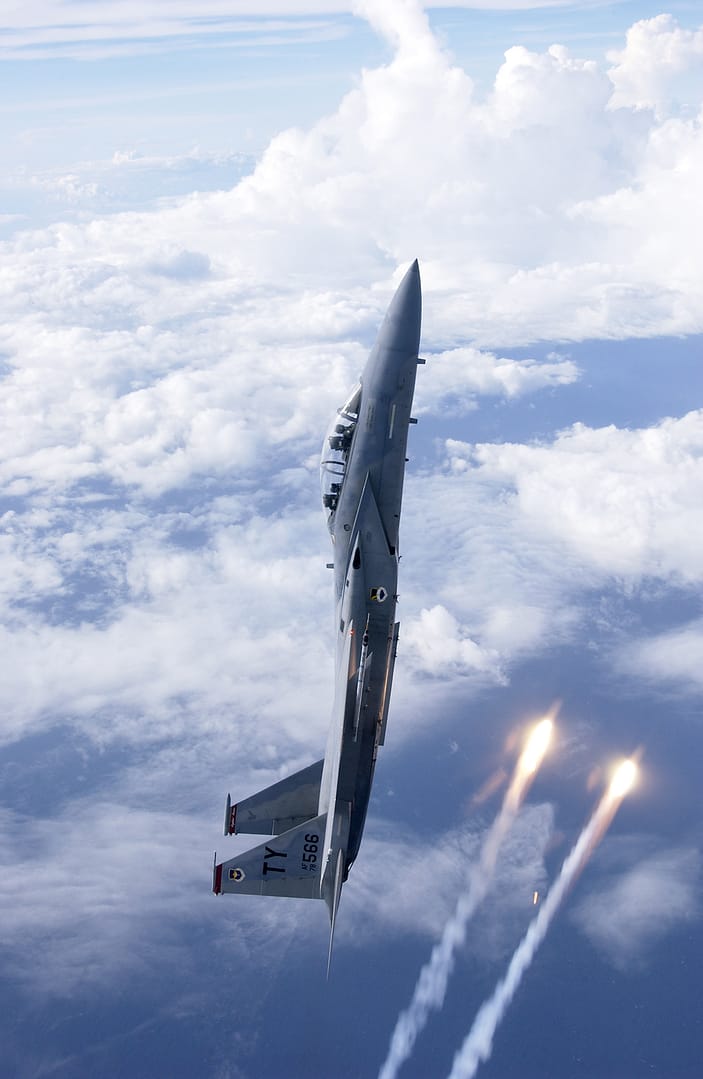
On June 9, 1982, the Israeli Air Force did something that military planners had considered impossible: it destroyed an entire Soviet-built air defense network and shot down 82 enemy fighters without losing a single aircraft in air-to-air combat. The operation lasted about two hours.
Operation Mole Cricket 19 remains the most lopsided aerial victory in modern history — and its ripple effects arguably helped end the Cold War.
Quick Facts
- Date: 9 June 1982
- Location: Bekaa Valley, Lebanon
- Belligerents: Israel vs Syria
- Syrian losses: 82–86 aircraft, 29 of 30 SAM batteries
- Israeli losses: 0 aircraft in air-to-air combat
- IAF Commander: Maj Gen David Ivry
- Significance: First successful destruction of a Soviet-built SAM network
The Trauma That Started It All
Nine years earlier, during the 1973 Yom Kippur War, Soviet SA-6 surface-to-air missiles had devastated the Israeli Air Force. In the first three days alone, Israel lost 50 aircraft in 1,220 sorties — a 4% loss rate that would have annihilated the entire air force within weeks. SA-6s hit 53 of Israel’s 170 A-4 Skyhawks and 33 of its 177 F-4 Phantoms.
The trauma was so severe that the United States — watching its NATO ally get mauled by the same weapons the Soviets would use against American aircraft in Europe — launched the stealth aircraft program that eventually produced the F-117 Nighthawk.
Israel took a different approach. It spent nine years planning revenge.
Drones Before Drones Were Cool
By 1982, Syria had deployed 30 SAM batteries in Lebanon’s Bekaa Valley — a mix of SA-2s, SA-3s, and the dreaded SA-6s. The Israeli plan was breathtakingly elegant in its use of deception.
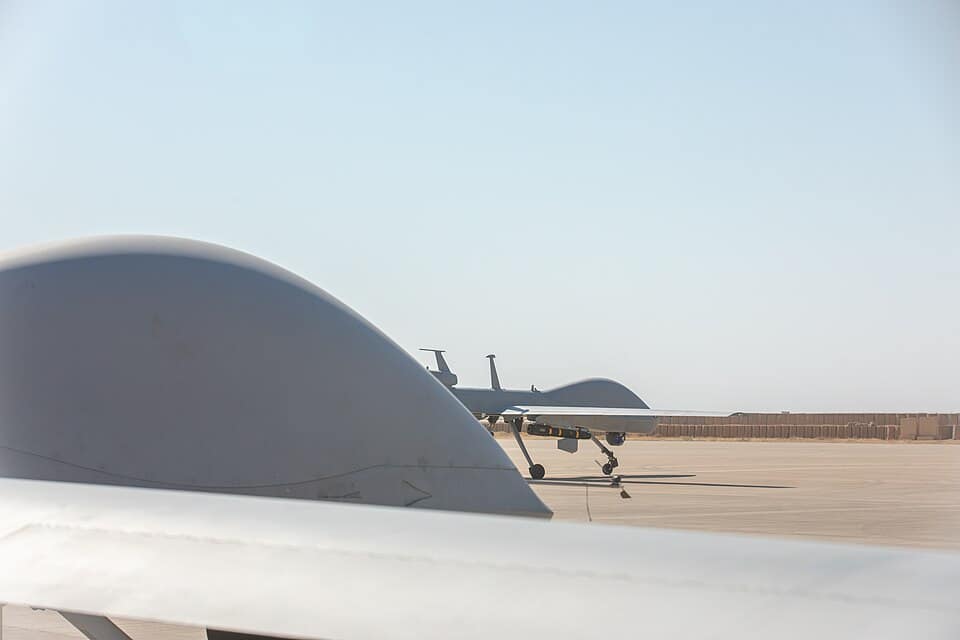
First, Tadiran Mastiff and IAI Scout remotely piloted vehicles — drones, in modern parlance — flew constant surveillance over the valley, keeping at least two airborne at all times to pinpoint every SAM battery’s exact location. Then, decoy drones flew directly into the SAM engagement zone, deliberately provoking Syrian crews into activating their radars and firing.
The Syrians reportedly fired 57 SA-6 missiles at the drones — hitting nothing. But every radar emission was captured by the scouts, relayed to E-2C Hawkeye aircraft orbiting offshore and Boeing 707 electronic warfare planes, which analyzed the data in real time and passed targeting coordinates to the strike aircraft.
Two Hours of Annihilation
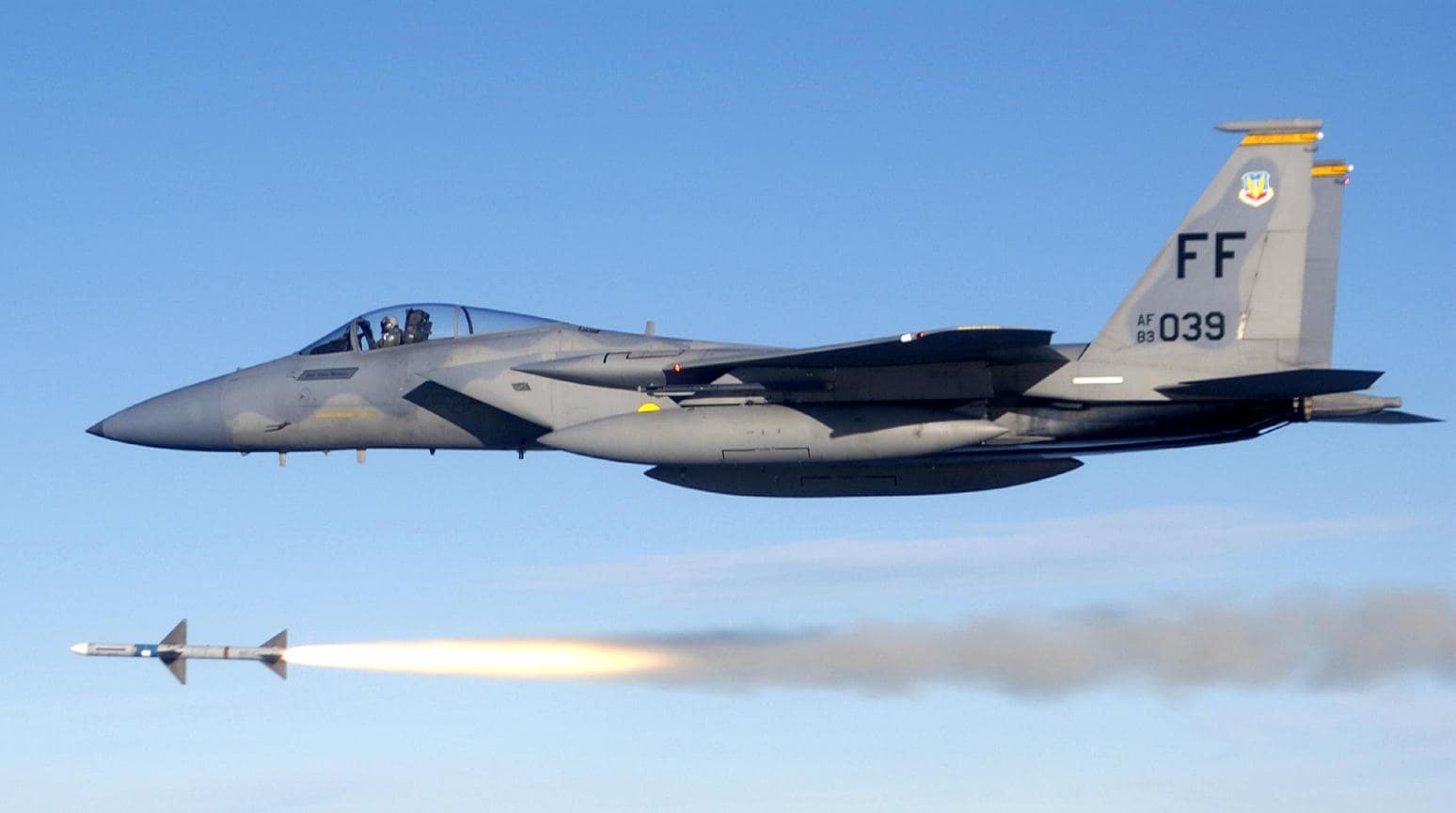
IAF Commander David Ivry received the green light and launched the attack at 1:30 PM. The first wave — 96 F-15s and F-16s — swept into the valley. A second wave of 92 aircraft followed at 3:50 PM, targeting the SAM batteries directly.
F-4 Phantoms fired AGM-78 Standard and AGM-45 Shrike anti-radiation missiles, homing on the radar emissions the drones had provoked. F-15A Eagles handled beyond-visual-range intercepts with AIM-7F Sparrow missiles, engaging Syrian MiG-23s at ranges of 22-40 km. F-16A Falcons took the close-in fights with AIM-9L Sidewinders.
The E-2C Hawkeye provided real-time battle management, directing Israeli fighters to attack Syrian MiGs from the side — exploiting the fact that MiG-21s and MiG-23s only had nose and tail radar warning receivers, with no coverage of their flanks. Selective jamming cut off Syrian fighters from their ground controllers, leaving them blind and alone.
Syria launched roughly 100 aircraft in response. By the ceasefire, 82 lay in wreckage across the Lebanese countryside. Israel lost zero fighters in air-to-air combat. Twenty-nine of 30 SAM batteries were destroyed.
The Shockwave That Reached Moscow
Syria sent Defense Minister Mustafa Tlass to Moscow seeking a comprehensive air umbrella. The Soviets refused, but dispatched Marshal Pavel Kutakhov to Syria to investigate, terrified that NATO might replicate the tactics in Eastern Europe.
The Soviet military newspaper Krasnaya Zvezda dutifully claimed 67 Israeli aircraft had been downed. Even within Soviet ranks, the claim was met with open skepticism.
Years later, IAF Commander Ivry met a Czech general who had been serving in Moscow during the operation. The general told him Mole Cricket 19 made the Soviets understand that Western technology was superior — and that the blow to the Bekaa Valley SAMs was “an impetus to glasnost and the Soviet Union’s collapse.”
Why It Still Matters
Mole Cricket 19 proved three things that changed warfare forever. First, that integrated SEAD operations — drones plus electronic warfare plus anti-radiation missiles plus real-time command and control — could neutralize a layered Soviet air defense network. Second, that beyond-visual-range combat with the AIM-7 Sparrow worked at scale. Third, that airborne early warning aircraft like the E-2C could transform chaos into choreography.
Syrian Defense Minister Tlass reportedly told President Assad: “The Syrian Air Force was outclassed, the ground-to-air missiles useless, and without air cover, the army could not fight on.”
Forty-four years later, that assessment stands as one of the most honest after-action reports in military history.
Sources: Air & Space Forces Magazine, Jerusalem Post, Fox3 Military Simulations, Jewish Virtual Library, Wikipedia
Related Posts


 English
0 Comments