
Quick Facts — Operation Opera
Date: 7 June 1981
Target: Osirak (Tammuz-1) nuclear reactor, Al Tuwaitha, Iraq
Reactor origin: French-built, Osiris-class research reactor
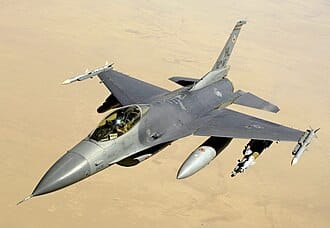
Strike force: 8 F-16A Netz + 6 F-15A Eagles
Distance: ~1,000 km each way
Flight altitude: 30–100 m (treetop level)
Time over target: <2 minutes
Casualties: 10 Iraqi soldiers, 1 French researcher
A French Reactor in the Desert
Iraq purchased the Osiris-class research reactor from France in 1976, officially for peaceful research. Israel was unconvinced. The reactor was capable of producing weapons-grade plutonium, and Saddam Hussein’s nuclear ambitions were poorly disguised. Israeli intelligence tracked the construction at Al Tuwaitha, 17 kilometres southeast of Baghdad, with growing alarm. Diplomacy failed. Sabotage was attempted — in April 1979, Mossad agents are believed to have bombed reactor components in a French warehouse at La Seyne-sur-Mer. The reactor survived. An Iranian airstrike during the early weeks of the Iran-Iraq War in September 1980 damaged the site but did not destroy the core. By mid-1981, the reactor was months from activation. Israel decided to act.The Flight
The strike package departed Etzion Air Base in the Sinai at 15:55 local time on a Sunday afternoon — chosen because the French technicians working at the reactor would be off-site. The eight F-16s carried two unguided Mk 84 2,000-pound bombs each. The six F-15s provided top cover. The route crossed Jordan and Saudi Arabia at extreme low altitude to avoid radar detection. The pilots navigated by dead reckoning and visual landmarks — no GPS existed in 1981. The formation arrived over Al Tuwaitha at 17:35, pulled up, and dove onto the reactor dome. Reportedly all 16 bombs hit the complex, though two may not have detonated. The reactor was destroyed. The strike force turned for home.“I remembered my origin — my mother, Auschwitz, what the Jewish nation has suffered through — and I said, the hell with it, this cannot repeat itself, and if I need to stay there, I’ll stay there. And that is what helped me go on that mission.”
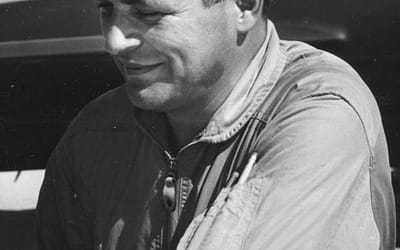
Ilan Ramon — Youngest pilot on Operation Opera, later Israel’s first astronaut
 English
0 Comments