
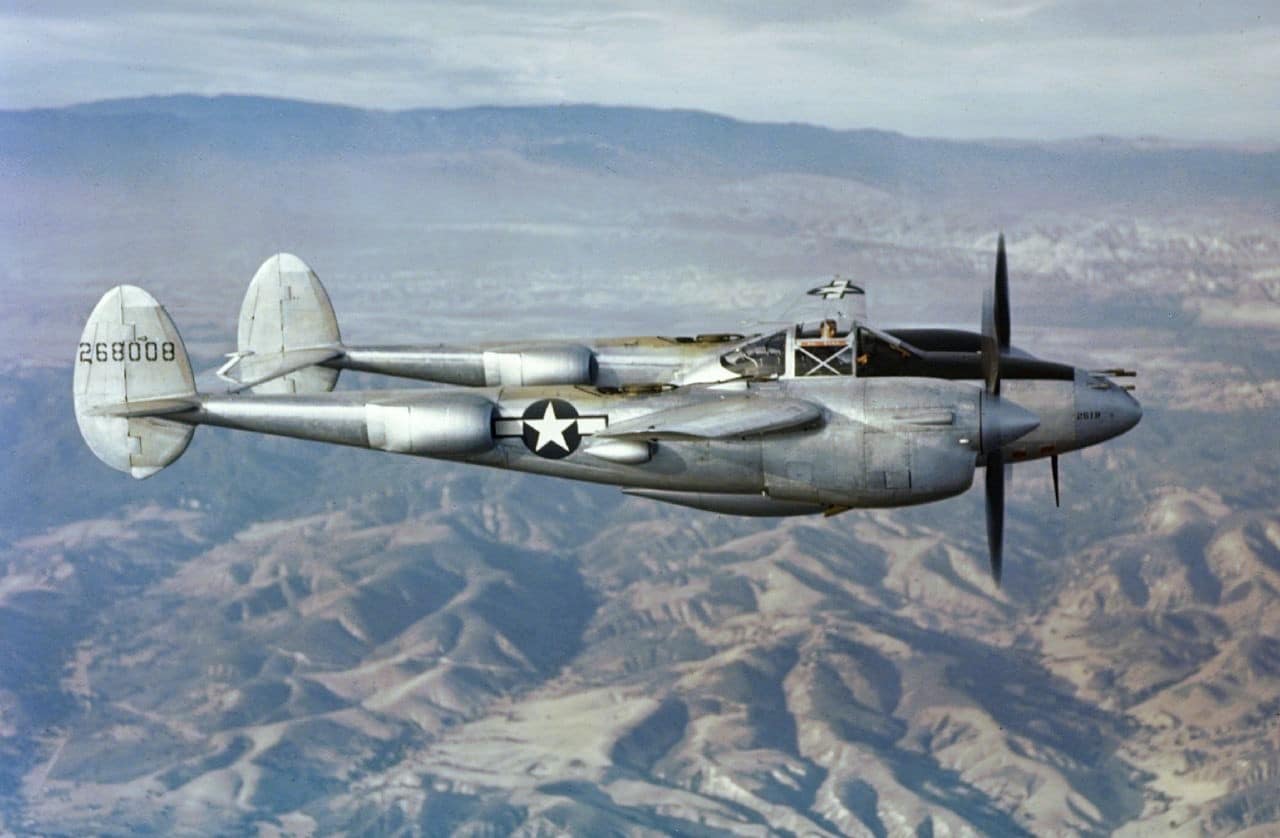
On a Sunday morning in April 1943, sixteen American fighter planes skimmed the surface of the Pacific so low their propellers feathered the wave tops. They flew for the better part of a thousand miles in radio silence, navigating by dead reckoning over featureless ocean, to keep a single appointment — with one man.
They arrived within a minute of him. What followed was one of the most audacious targeted killings in the history of air warfare.
Quick Facts
- Operation: Vengeance, April 18, 1943
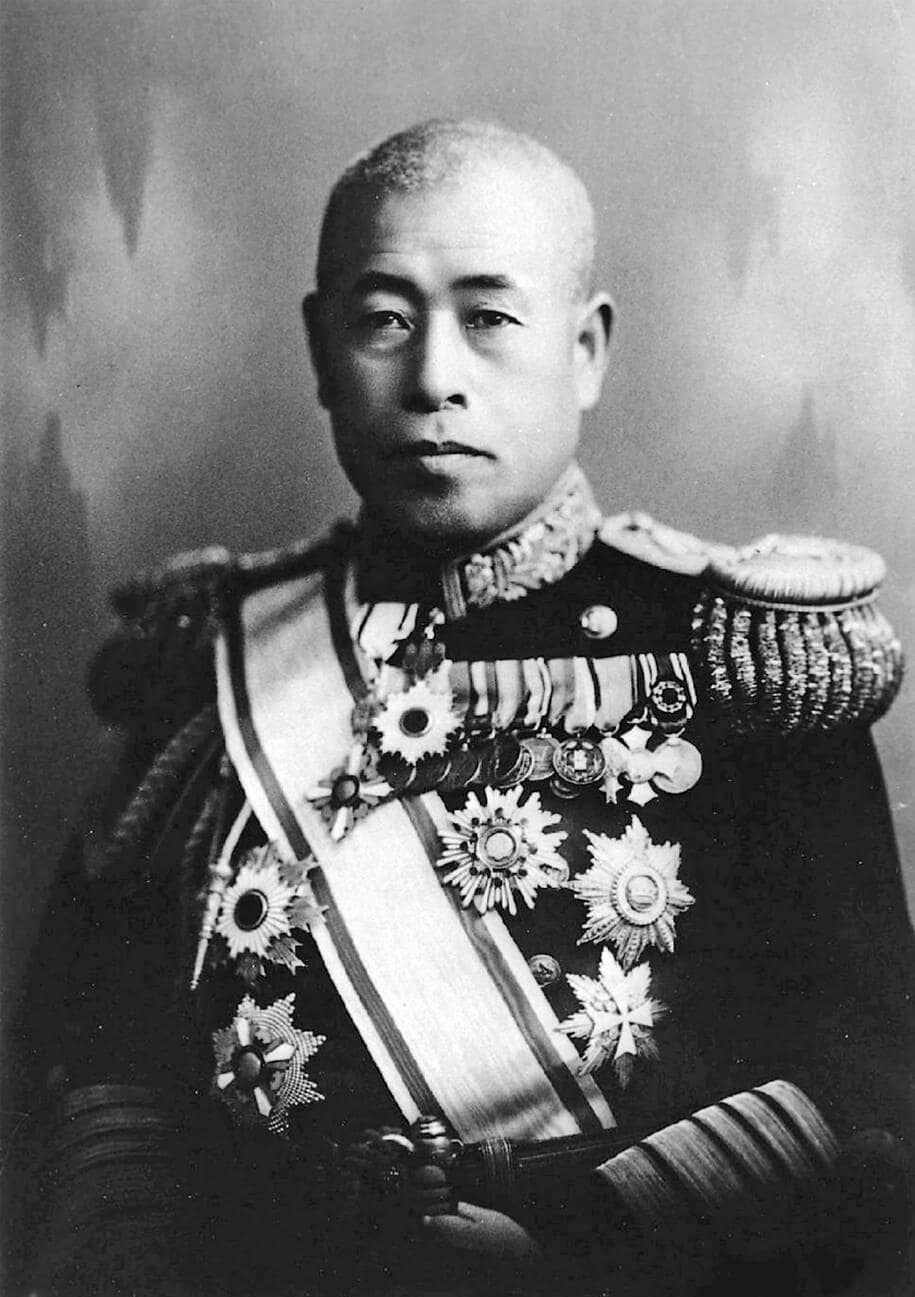
- Target: Admiral Isoroku Yamamoto — architect of Pearl Harbor and commander of Japan’s Combined Fleet
- The break: U.S. codebreakers decrypted his inspection itinerary days in advance
- The force: 18 P-38 Lightnings led by Maj. John Mitchell, on the longest fighter-intercept mission of the war
- The kill: 1st Lt. Rex Barber downed the bomber carrying Yamamoto — the credit disputed for decades
A Message They Were Never Meant to Read
Days earlier, U.S. Navy codebreakers had intercepted and decrypted a routine-looking signal. It laid out, to the minute, the inspection schedule of Admiral Isoroku Yamamoto — the brilliant strategist who had planned the attack on Pearl Harbor. American commanders faced an agonizing choice: acting on the message risked revealing that Japan’s codes had been broken. They decided the prize was worth it.
There was a bitter irony in the target. Yamamoto, who had studied in America, had never wanted this war.
The Longest Reach
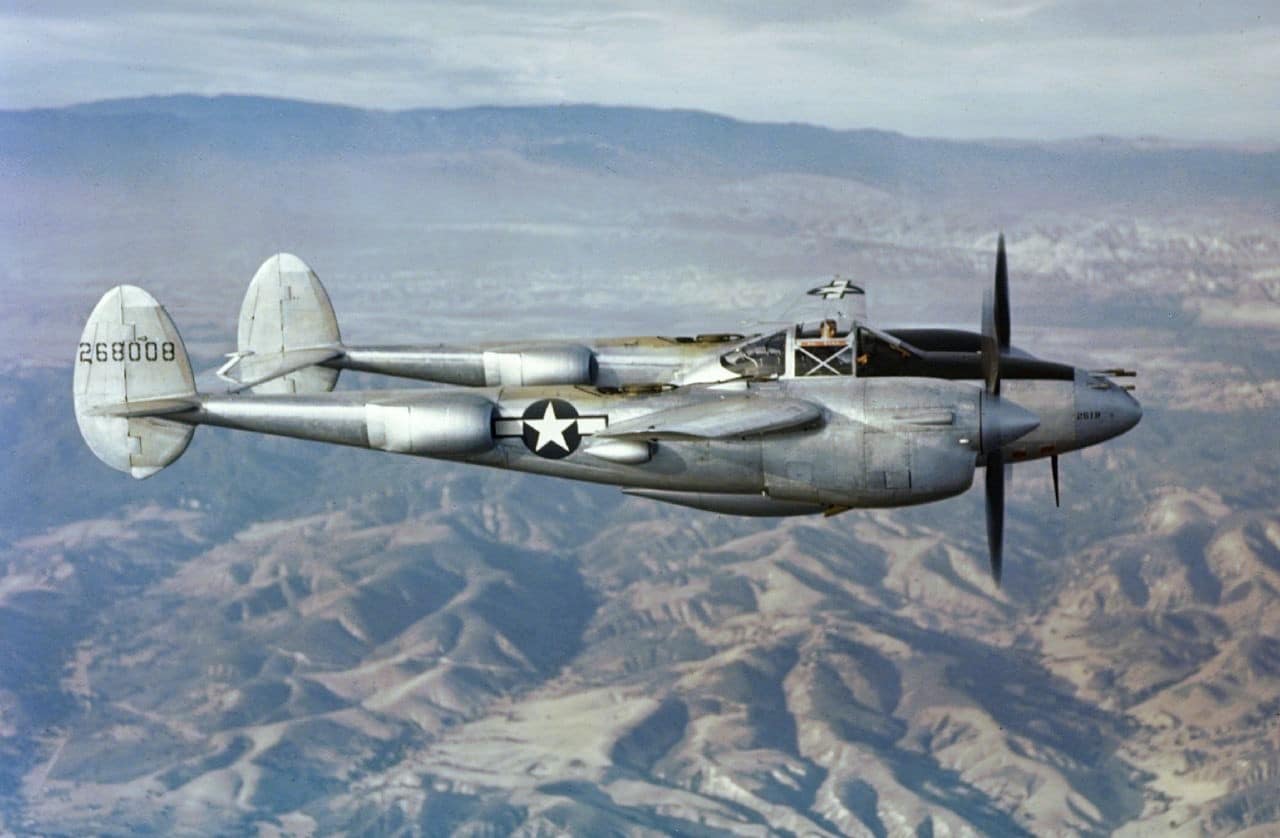
The job fell to the P-38 Lightning — the twin-boomed, twin-engined fighter with the range to do what no other Allied fighter in theatre could. Major John Mitchell planned the intercept with almost surgical precision: eighteen Lightnings, fitted with oversized drop tanks, would fly a dog-legged route far out to sea to avoid detection, then turn in to meet Yamamoto’s flight at a point and time calculated from the decoded schedule.
They took off at 7:25 a.m. At 9:34, exactly as planned, the bombers appeared on the horizon. After two hours of flying blind over open water, Mitchell’s navigation had been almost perfect.
Two Minutes Over the Jungle
A “killer” flight of four — Lanphier, Barber, Holmes and Hine — broke off to attack the two Betty bombers while the rest climbed to fend off the Zero escorts. First Lieutenant Rex Barber bored in on the lead bomber and raked it with gunfire. Its right engine streamed flame, the aircraft rolled, and it smashed into the jungle below. Yamamoto’s body was later found in the wreckage, thrown clear, still upright in his seat.
Whose Kill?
What should have been a clean triumph curdled into one of aviation’s longest-running feuds. Captain Thomas Lanphier also claimed Yamamoto’s bomber, and for decades the two men — and their supporters — fought over the credit, at one point trading the insult “damned liar.” Years later, the testimony of a surviving Japanese escort pilot lined up with Barber’s account. The Air Force eventually split the credit between them.
The dispute never dimmed the mission’s impact. Japan kept Yamamoto’s death secret for weeks, and when it was finally announced, the blow to national morale was profound. The man who had warned his own leaders not to wake the United States had been hunted down by it — with a decoded message and a thousand-mile flight.
Sources: The National WWII Museum; Air & Space Forces Magazine; U.S. Naval Institute; Defense Media Network; Wikipedia.
 English
0 Comments