
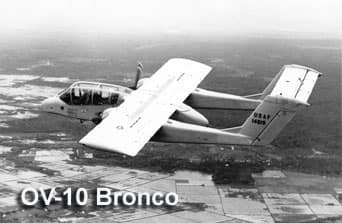
The Gulf of Tonkin was a flat sheet of hammered silver under the late-June haze, and the little twin-boomed Bronco came down toward it trailing fire and smoke. Inside the front cockpit, Air Force Captain Steven L. Bennett had a parachute that worked perfectly, an escorting pilot screaming at him to jump, and maybe five minutes of flying time before his wing blew apart.
He did not jump. In the back seat sat a Marine named Mike Brown, and Brown’s parachute hung in tatters — shredded by the same North Vietnamese missile that had set the airplane ablaze. If Bennett ejected, he lived and Brown died. So Bennett chose the one option no OV-10 pilot had ever survived: he aimed the burning aircraft at the sea and rode it down.
It was June 29, 1972. What happened in those final minutes would earn Steven Bennett the Medal of Honor — and would keep another man alive to tell the story for the next fifty years.
Quick Facts
- Pilot: Capt. Steven L. Bennett, USAF, 20th Tactical Air Support Squadron (FAC)
- Observer (saved): Capt. Michael B. Brown, USMC, airborne artillery observer
- Aircraft: North American Rockwell OV-10A Bronco (likely 67-14700)
- Date / war: June 29, 1972 — Vietnam War, Second Battle of Quang Tri
- What hit them: A shoulder-fired SA-7 “Grail” (9K32 Strela-2) heat-seeking missile
- Outcome: Bennett ditched in the Gulf of Tonkin; Brown survived, Bennett did not — posthumous Medal of Honor
A long morning over Quang Tri
By the spring of 1972, Hanoi had dropped the pretense of guerrilla war. The People’s Army of Vietnam rolled south into Quang Tri province with tanks, heavy artillery and conventional formations. The Second Battle of Quang Tri, which opened on June 28, would become the longest, bloodiest fight of the entire campaign.
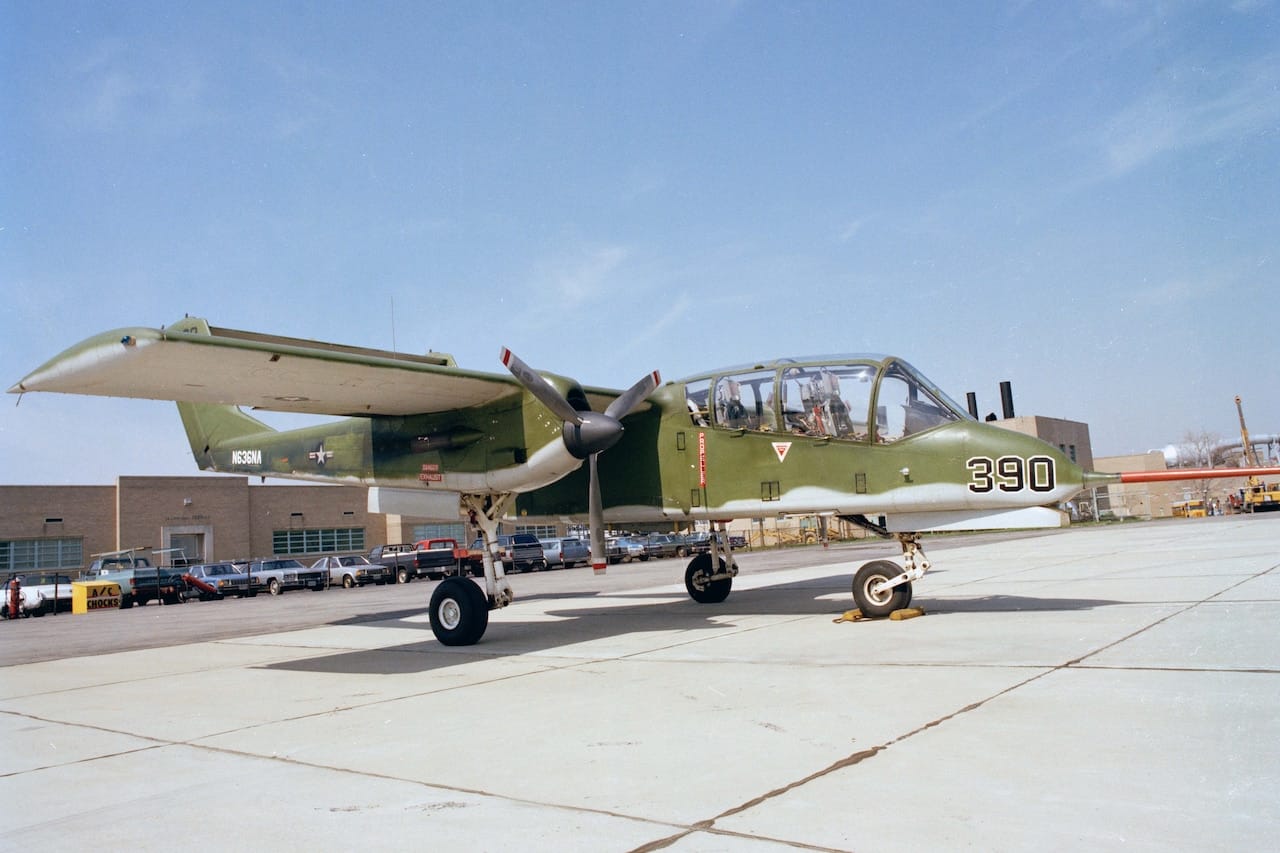
Bennett flew the OV-10 Bronco, the Air Force’s nimble forward air control aircraft — a high-winged, twin-tailed machine built to loiter low and pick out targets that fast jets could never find. On June 29 he had Marine Captain Michael Brown in the back seat, adjusting naval gunfire from two American destroyers offshore. They had been working the coastline for roughly three hours.
Then the radio crackled with trouble. A small force of South Vietnamese Marines, perhaps fifty men, was about to be overrun by a far larger North Vietnamese column. No fighters were available. Naval gunfire would land too close to friendly troops. The only aircraft within reach was Bennett’s lightly armed Bronco.
“SAM-7 Alley”
The decision was not a small one. The area Bennett patrolled was so thick with the new Soviet-supplied SA-7 that American crews had nicknamed it “SAM-7 Alley.” The Grail was a shoulder-launched, heat-seeking missile, and the Bronco’s two turboprop engines threw off exactly the kind of heat it hunted. To stay safe, FAC pilots normally kept above 9,500 feet.
Bennett went down anyway. He rolled in and strafed the advancing enemy with the Bronco’s four 7.62 mm machine guns, pass after pass. After four runs, the North Vietnamese began to fall back. He had bought the trapped Marines their lives.
On the fifth pass, the alley collected its toll. A missile streaked up from behind and slammed into the Bronco’s left engine. The blast set the engine on fire, blew the left landing gear half-down, and peppered both canopies with fragments.
On the 50th anniversary of the mission, Bennett’s daughter Angela and the man he saved, Maj. Mike Brown, USMC, remember June 29, 1972. (National Medal of Honor Museum)
The choice
Bennett swung south, hunting for a friendly field. The fire spread. The pilot of an escorting Bronco came up on the radio with the only sane advice: get out, the wing is about to explode. Bennett’s parachute was good. He could have punched out and lived.
Then Brown gave him the news that changed everything. His own parachute had been torn to shreds by the missile’s fragments. He could not eject. If Bennett left the aircraft, the Marine in the back seat would ride it into the ground alone.
There was, in truth, no choice at all for a man like Bennett. He turned the dying Bronco toward the water and committed to a ditching — knowing, as every Bronco pilot knew, that the front cockpit almost always broke apart on impact and that no pilot had ever walked away from one.
Five minutes to the water
The gulf came up slowly. Brown later remembered the awful arithmetic of those last minutes — and the calm of the man flying him toward it.
Eight miles off the coast south of Quang Tri, Bennett set the Bronco down on the sea. The extended left gear caught the water like a hook. The aircraft cartwheeled, flipped nose-down, and the front cockpit shattered exactly as feared. Brown fought free of the wreckage and reached the surface. He clawed back toward the sinking airplane again and again, trying to reach the pilot, but the Bronco was already going down with Bennett trapped inside.
A debt that lasted a lifetime
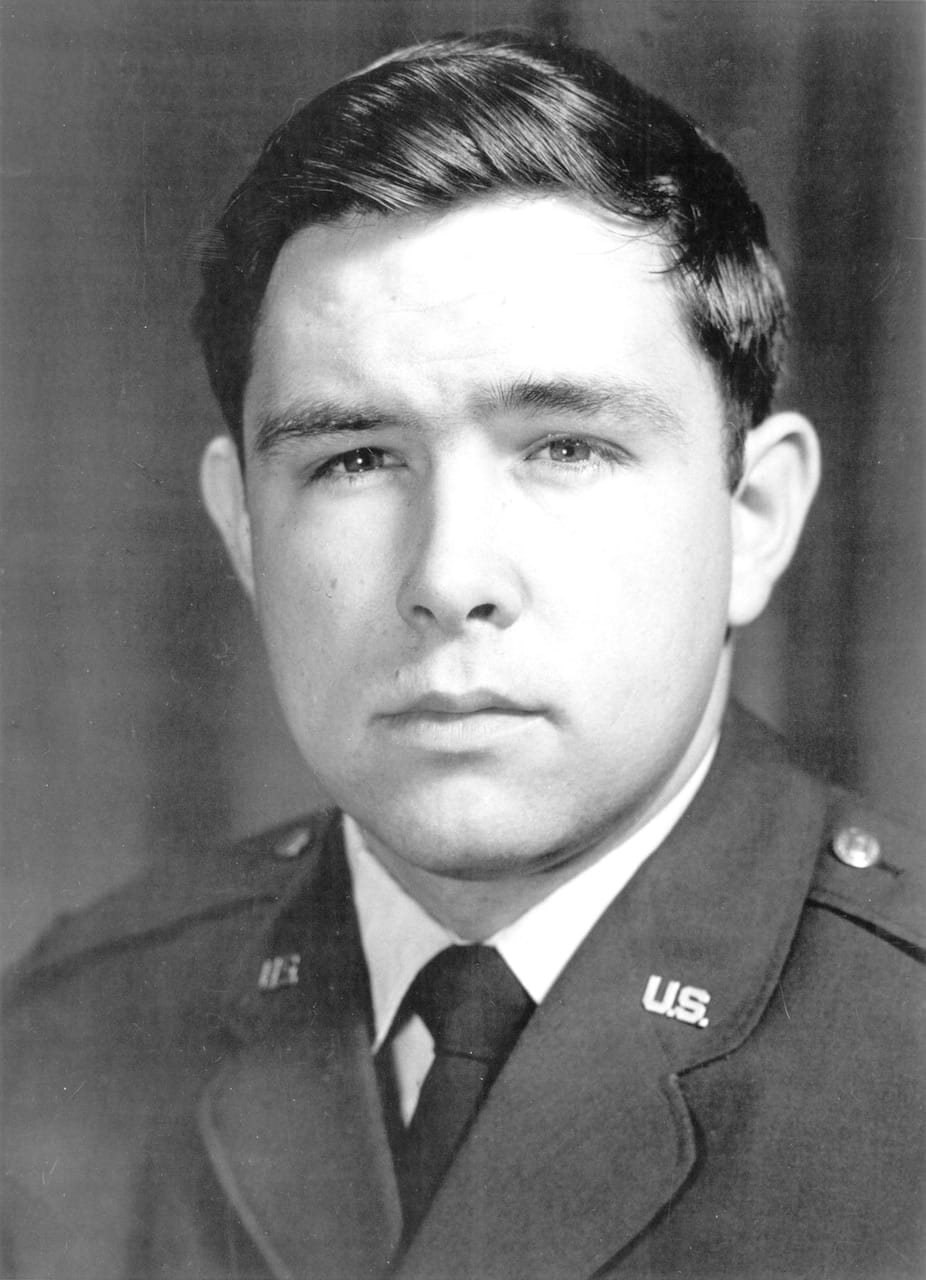
Brown was rescued from the gulf within minutes. Bennett’s body was recovered the next day and brought home to Lafayette, Louisiana, where he had grown up playing football and dreaming of flight. He was 26 years old, less than three months into his Vietnam tour, and the father of a small daughter named Angela.
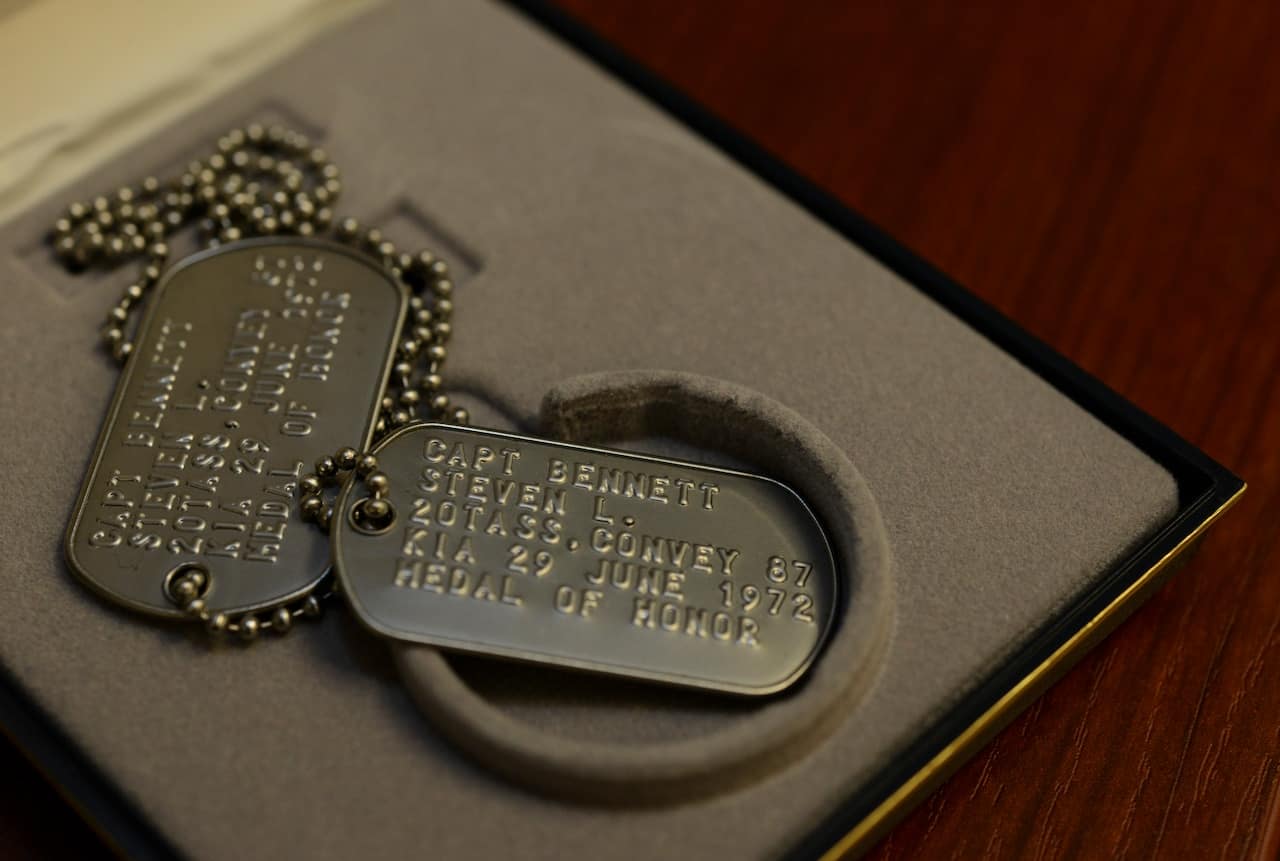
On August 8, 1974, Vice President Gerald R. Ford presented the Medal of Honor to Bennett’s widow and daughter at Blair House. He also received the Cheney Award, given for an act of valor in the air. The man he saved, Mike Brown, would stay close to Angela for the rest of his life — a living link to the father she barely knew.
The Bronco’s last gift
The OV-10 was never glamorous. It was slow, ungainly and famously unforgiving in a water landing. Yet it could go where the fast movers could not, and in the right hands it became a weapon of mercy as much as war. Bennett’s squadron, the 20th Tactical Air Support Squadron, flew these aircraft until the Air Force finally retired the type in 1991.
Steven Bennett’s name is now carried by a Military Sealift Command ship, etched on the Vietnam Veterans Memorial, and remembered every June by an aviation community that has never forgotten what he did in the span of about ten minutes over the South China Sea.
The unlikely story of the OV-10 Bronco — the twin-boom forward air control aircraft Bennett flew over Vietnam. (Military Aviation History)
He had every reason and every right to save himself. Instead, with the sea rising to meet him, Steven Bennett spent his last minutes making sure another man got to go home. It is hard to imagine a purer definition of the word he was given posthumously: hero.
Sources: U.S. Department of War / DOD News (Medal of Honor Monday, Katie Lange); National Museum of the United States Air Force; Military Times (Jon Guttman); This Day in Aviation (Bryan Swopes); Congressional Medal of Honor Society citation.
 English
0 Comments