Poland does not make fighter jets. It hasn’t produced a combat aircraft in decades. But right now, Warsaw is knocking on the door of one of the most exclusive clubs in aerospace — the Global Combat Air Programme — and asking to be let in. What Poland wants is not just a seat at the table. It’s a ticket back into the aviation industry.
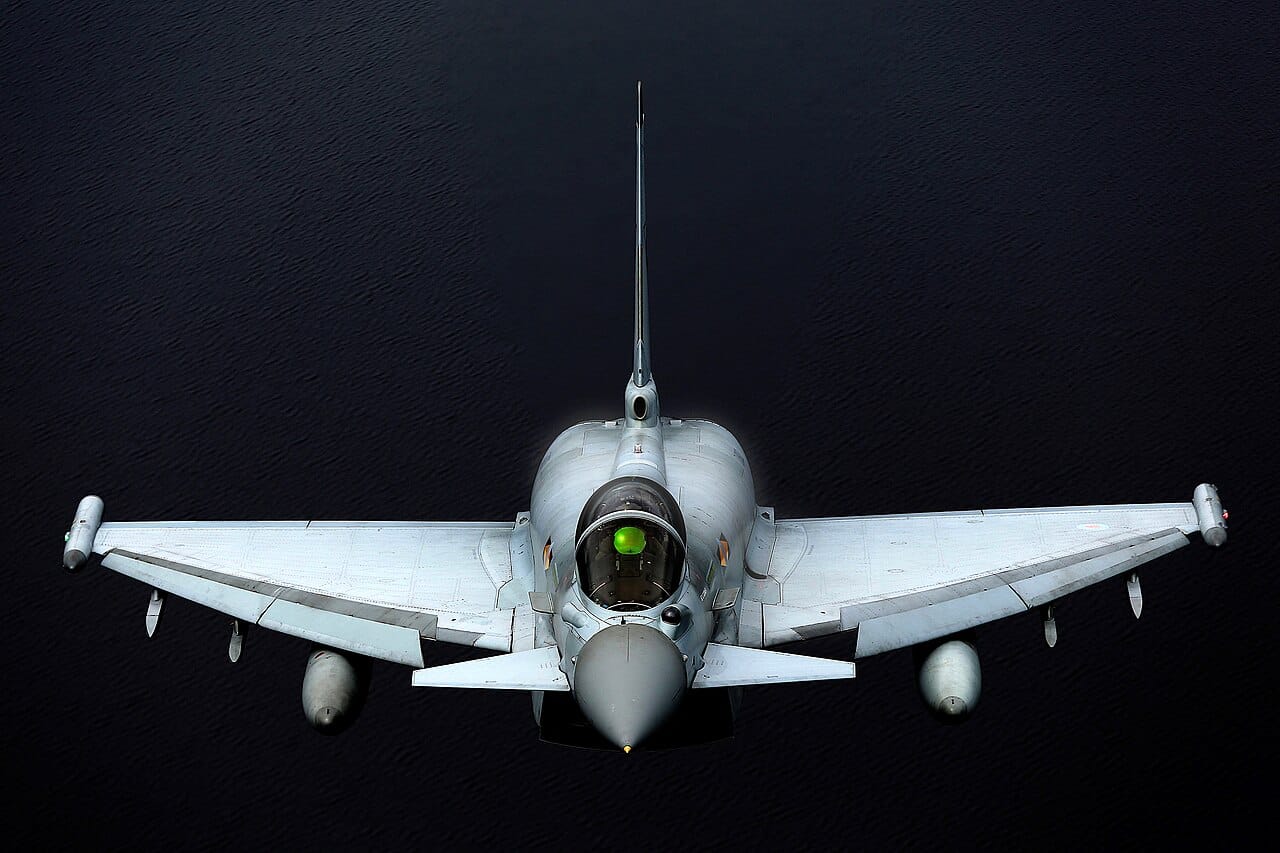
GCAP is the ambitious British-Italian-Japanese project to build a sixth-generation stealth fighter by 2035 — a replacement for the Eurofighter Typhoon and Japan’s F-2 that would be more advanced than anything currently flying. Piloted and unmanned variants. AI-assisted combat systems. Directed energy weapons. The kind of aircraft that defines which countries matter in air power for the next fifty years.
What Poland Actually Wants
Polish Deputy State Assets Minister Konrad Gołota confirmed discussions with Italian and Japanese partners in March, framing Poland’s interest around industrial participation rather than just buying a finished jet. “Over the past decades, we have not produced aircraft in Poland,” Gołota acknowledged, “so our aviation industry requires development.”
This is the real prize: technology transfer. If Poland joins GCAP not merely as a customer but as a development partner, Polish defence companies would gain access to the most advanced aerospace engineering on the planet — manufacturing techniques, sensor integration, stealth materials, software architecture. The kind of knowledge that cannot be bought off the shelf and takes generations to develop from scratch.
The Program Is Already Under Pressure
GCAP is not without problems. British defence funding commitments have been delayed, raising questions about whether the 2035 timeline can hold. The programme involves three countries with different industrial priorities and strategic interests — Italy focused on its Leonardo aerospace group, Japan protecting its own Mitsubishi heavy industries, the UK balancing export ambitions with cost control. Adding Poland would add complexity and potentially slow decisions further.
For the existing partners, the question is what Poland brings to the table. Money helps. NATO’s eastern flank perspective matters. But industrial capability — which Poland currently lacks in aviation — is the real currency in a programme this ambitious. Warsaw will need to make a compelling case that its participation adds value, not just weight.
Why This Matters Beyond Poland
Poland is already one of Europe’s most aggressive military spenders — investing around 4% of GDP in defence, the highest in NATO. It operates F-35s. It is rapidly expanding its ground forces. Now it wants to be part of building the aircraft that comes after the F-35.
If Warsaw succeeds, GCAP would shift from a small club of three to a broader European-Asian coalition — and set a precedent for how 6th-generation programmes will be structured. The future of fighter aviation may be built in more places than most people expect.
Sources: Defense News; Army Recognition; TVP World; 19FortyFive