
Quick Facts
Southwest Q1 2026 net income: $227 million
Lufthansa: Cutting 20,000 flights (already announced)
Canadian carriers: Air Transat, WestJet, Air Canada all reducing capacity
EU response: European Commission taking steps to ensure operator access to jet fuel
Root cause: Middle East conflict disrupting global jet fuel supply and pricing
Southwest’s Quiet Triumph
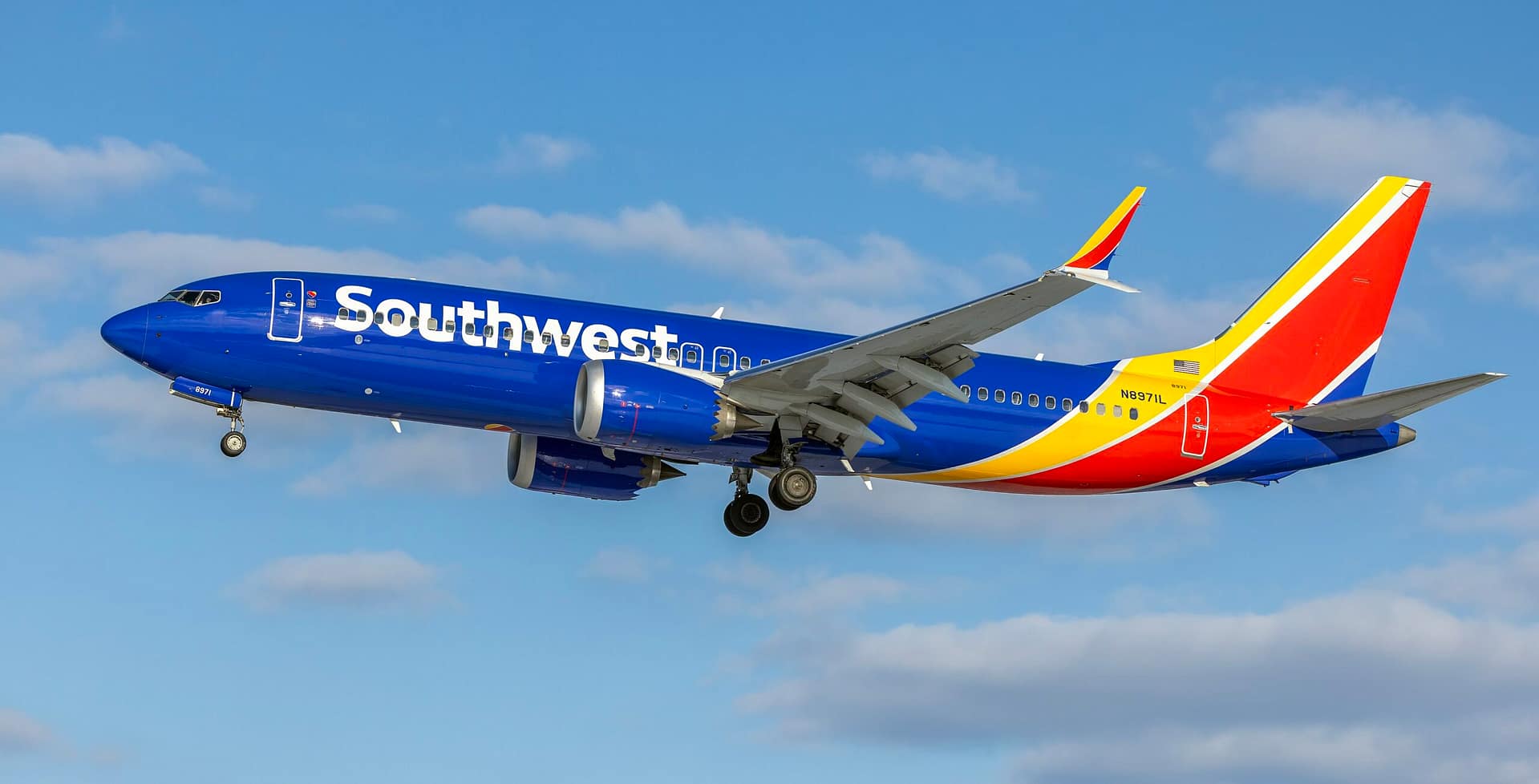
Southwest Airlines reported its Q1 results on April 24, and the numbers are strong by any measure. A $227 million net profit, solid load factors, and stable fuel costs paint a picture of an airline that has weathered the fuel storm better than almost anyone predicted. The secret is geography. Southwest operates exclusively within the United States, where jet fuel is refined domestically from a mix of domestic crude oil, Canadian imports, and non-Middle Eastern sources. American refineries have adjusted their feedstock to compensate for disrupted Middle Eastern supply, keeping domestic jet fuel prices elevated but manageable. Southwest also benefits from its legendary fuel hedging programme. The airline has historically locked in fuel prices years in advance, insulating itself from spot market volatility. When jet fuel prices doubled for European carriers, Southwest’s hedged positions kept its costs within budget.Europe’s Pain
European carriers face a fundamentally different situation. The continent’s refineries depend heavily on crude oil that transits the Strait of Hormuz, the Persian Gulf, and the Red Sea — all of which have been disrupted by the Iran conflict and ongoing Houthi activity. Insurance costs for tankers transiting these waters have skyrocketed, adding dollars per barrel to the cost of every shipment. Lufthansa’s decision to cut 20,000 flights was the most dramatic response, but it was far from the only one. Air Transat, WestJet, and Air Canada have all announced capacity reductions. Smaller European carriers — those without the cash reserves to absorb doubled fuel costs — face existential pressure. The European Commission has intervened, taking steps to ensure that airlines can access jet fuel supplies. But the fundamental problem is physical: there is not enough affordable jet fuel flowing into European airports. No amount of regulatory intervention can conjure barrels that do not exist in the supply chain.The Hedging Gap
The fuel crisis has exposed a critical difference in risk management between American and European carriers. U.S. airlines — Southwest, Delta, United — have long maintained aggressive fuel hedging programmes. They buy fuel contracts years ahead, locking in prices that protect them when spot markets spike. Many European carriers, scarred by hedging losses during the 2014–2016 oil price collapse, reduced or eliminated their hedging programmes. Lufthansa, for example, significantly scaled back hedging in recent years. When fuel prices doubled, those airlines absorbed the full market price — with devastating effect on margins. The lesson is painful but clear: fuel hedging is not speculation. It is insurance. And airlines that dropped their insurance are now paying the premium in cancelled flights and quarterly losses.How Long Can This Last?
The duration of the fuel crisis depends on the geopolitical situation in the Middle East. The Iran ceasefire, in effect since April 8, has stabilised oil prices slightly but has not restored normal trade flows through the Strait of Hormuz. Houthi attacks on shipping in the Red Sea continue. And the broader insurance and logistics disruptions will take months to unwind even after hostilities fully cease. For American carriers, the outlook remains solid. Domestic fuel supplies are stable, consumer demand is strong, and the summer travel season is approaching. For European carriers, the summer could bring either relief — if fuel supply chains normalise — or further pain if the conflict reignites. Southwest’s $227 million profit and Lufthansa’s 20,000 cancelled flights are two sides of the same coin. The coin is jet fuel, and right now, one side of the Atlantic has it and the other does not. Sources: Southwest Airlines Q1 2026 earnings, Aviation Week, European Commission statementsRelated Posts


 English
0 Comments