A Strafing Run, a MANPADS, and a Near Miss

by | Mar 30, 2026 | Military Aviation, News | 0 comments

On March 25, a U.S. Navy F/A-18E/F Super Hornet screamed low over the Iranian port city of Chabahar, its M61A2 Vulcan cannon spitting 20mm rounds at targets near the Imam Ali IRGC Naval Base. Seconds later, a shoulder-fired missile streaked upward and detonated just behind the jet’s tail. The blast filled the sky. The Super Hornet kept flying. Multiple videos of the engagement, geolocated by open-source analysts to coordinates 25.332, 60.603 near Chabahar’s eastern shore, surfaced within hours. They show the same event from different angles — and sparked one of the fiercest debates of Operation Epic Fury so far.

What the Footage Shows

The clearest video, filmed from roughly two kilometers away, captures the Super Hornet in a left-hand banking turn at extremely low altitude. The telltale exhaust gases of the Vulcan cannon are visible — a brief, pale streak beneath the aircraft — followed moments later by the distinct sound of the gun reaching the camera. Then comes the missile. A bright flash erupts just aft of the jet, and the elongated shape of the detonation strongly suggests a proximity fuse — the warhead sensed it was close enough and triggered. Fragments spray outward. For a fraction of a second, it looks like a kill. But from a second angle — a more frontal perspective shared by the GeoConfirmed team — the Super Hornet emerges from the blast cloud flying straight and level. No smoke trail. No debris falling. No spiraling descent. The jet simply continues its mission.

Iran Claims a Kill. CENTCOM Says Otherwise.

The Islamic Revolutionary Guard Corps wasted no time. Within hours, the IRGC issued a statement claiming that “the enemy F-18 fighter jet was accurately hit in the sky of Chabahar by missiles from the IRGC Navy’s advanced modern air defense system” and that the aircraft subsequently “crashed in the Indian Ocean.” U.S. Central Command’s response was measured but unambiguous: “No U.S. fighter aircraft have been shot down by Iran.” Many observers noted the careful wording on both sides. CENTCOM said “shot down,” not “hit.” And Iran’s track record of inflating claims — including a previous false report of an F/A-18 downed near the Strait of Hormuz — has eroded its credibility on such announcements.

The MANPADS Problem Nobody Solved

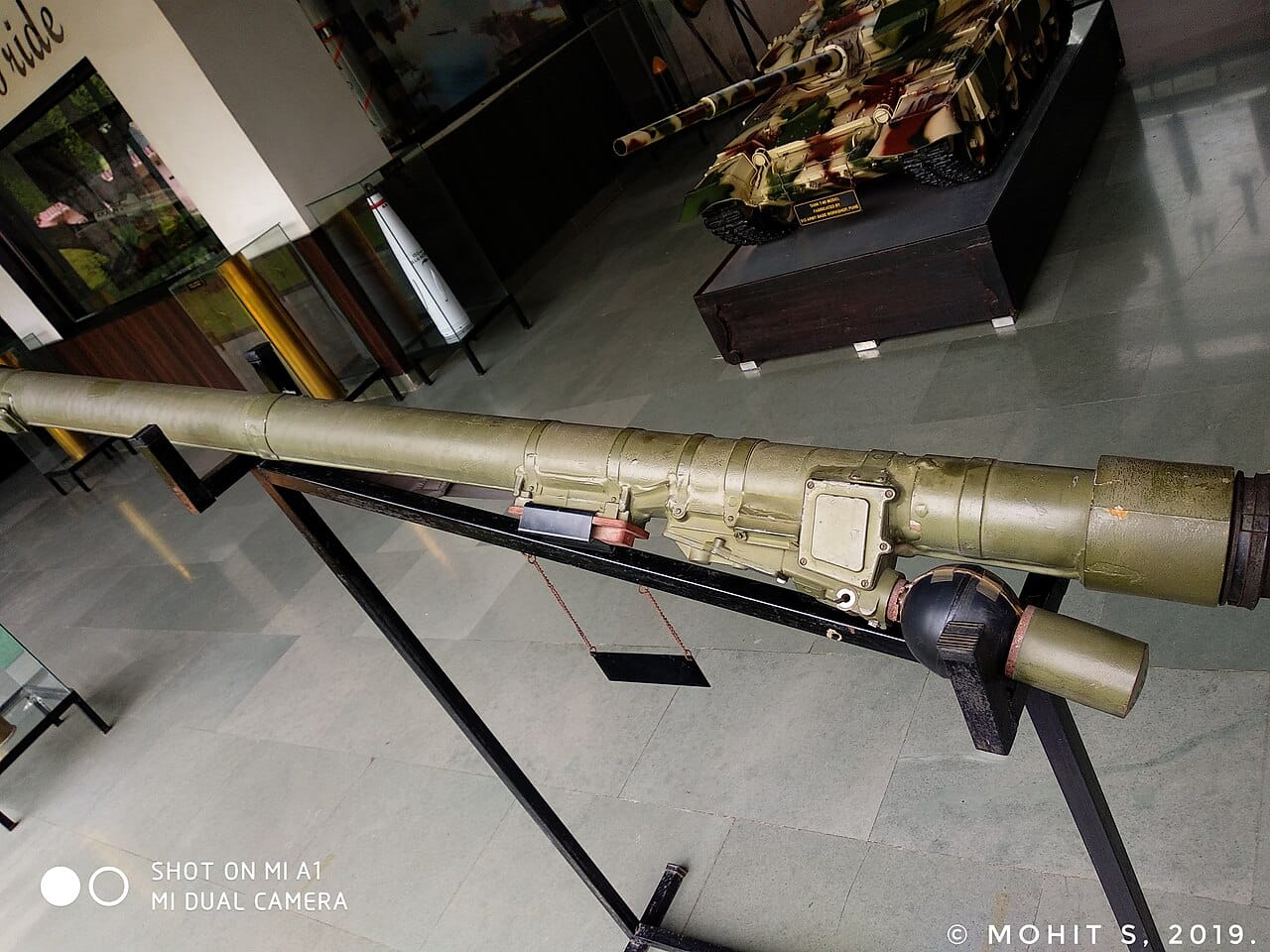
What makes this incident alarming is not what the missile did, but what the pilot apparently could not see coming. Defense Express reported that the F/A-18E/F is not equipped with a dedicated missile launch detection system for infrared threats like MANPADS. Its AN/ALR-67(V)3 radar warning receiver picks up radar-guided threats — but a heat-seeking shoulder-fired missile generates no radar signal to detect. The pilot’s left-hand turn, which may have saved the aircraft, appears to have been a routine course change rather than a deliberate evasive maneuver. In other words: the pilot may not have known the missile was coming. “The pilot was simply lucky,” the Defense Express analysis concluded, “or potentially warned by another pilot, wingman or lead.”

“In war, whichever side may call itself the victor, there are no winners, but all are losers.”

— Neville Chamberlain

Low and Fast Over Iran

The Chabahar strafing run reveals something broader about Operation Epic Fury. Despite early claims of rapid air supremacy over Iran, American pilots are still flying dangerously low attack runs over populated areas — well within the engagement envelope of infantry-portable weapons that cost a fraction of the aircraft they threaten. MANPADS like the Misagh-2 and Qaem in Iran’s inventory are short-range, low-altitude systems designed for exactly this scenario: catching fast jets when they come down to play. And in a country where thousands of IRGC personnel and Basij militia fighters could be carrying them, every low pass is a roll of the dice. The Super Hornet survived this roll. The next one might look different. Sources: The War Zone, Defense Express, The Aviationist, GeoConfirmed

Related Posts

A Cessna on Red Square: The Matthias Rust Flight

A Cessna on Red Square: The Matthias Rust Flight

On May 28, 1987, an 18-year-old West German with 50 hours of flying experience took off from Helsinki in a rented Cessna 172. He told air traffic control he was heading for Stockholm. He turned east instead — straight into the most heavily defended airspace on Earth....

Hellfire Launchers Hidden in Shipping Containers

Hellfire Launchers Hidden in Shipping Containers

It looks like a shipping container. The kind you see stacked on cargo ships, loaded onto flatbed trucks, sitting in industrial lots from Rotterdam to Riyadh. Ten feet long, standard Tricon ISO spec, unremarkable in every visible way. Inside it is a Hellfire missile...

Stealth Fighters Land on China’s Doorstep

Stealth Fighters Land on China’s Doorstep

At 12:50 PM on March 29, four F-35A Lightning II stealth fighters touched down at Misawa Air Base in Aomori Prefecture, northeastern Japan. They taxied to the ramp, engines winding down, canopies opening in the cold northern air. It looked routine. It was anything...

0 Comments

Submit a Comment

Your email address will not be published. Required fields are marked *

en_USEnglish